
Understanding Commercial Tire Repair Services
When you operate a commercial fleet, keeping your trucks on the road is critical. Tires are one of the most important components, and any downtime due to tire issues can cost you time and money. That’s why understanding commercial tire repair services is essential. In this post, I’ll walk you through what these services involve, why they matter, and how to choose the right provider to keep your fleet rolling smoothly.
What Are Commercial Tire Repair Services?
Commercial tire repair services focus on fixing tires used on heavy-duty vehicles like trucks, trailers, and buses. These tires are built to handle tough conditions and heavy loads, so their repair requires specialized knowledge and equipment.
Unlike passenger car tires, commercial tires are larger, thicker, and often have different construction types such as bias-ply or radial. Repairing them isn’t just about patching a hole. It involves assessing the damage, determining if the tire is safe to repair, and using the right techniques to restore its integrity.
Common commercial tire repairs include:
Puncture repairs: Fixing nails, screws, or other sharp objects that penetrate the tread.
Sidewall repairs: These are tricky and often not recommended unless minor.
Retreading: Applying a new tread to a worn tire casing to extend its life.
Valve replacements: Fixing or replacing faulty valves that cause air leaks.
Balancing and alignment checks: Ensuring tires wear evenly and perform well.
Each repair type requires trained technicians who understand commercial tire safety standards and regulations.

Why Commercial Tire Repair Services Matter
Tires are the only contact point between your truck and the road. Their condition directly affects safety, fuel efficiency, and vehicle performance. Here’s why investing in professional commercial tire repair services is a smart move:
Safety First: Damaged or worn tires increase the risk of blowouts and accidents. Proper repairs ensure your tires meet safety standards.
Cost Savings: Repairing a tire is often much cheaper than replacing it. Retreading, for example, can save up to 50% compared to buying new tires.
Reduced Downtime: Quick and reliable repairs get your trucks back on the road faster, minimizing lost revenue.
Environmental Benefits: Retreading and repairing tires reduce waste and the demand for new raw materials.
Compliance: Commercial vehicles must meet strict regulations. Professional repair services help you stay compliant with DOT and other safety requirements.
When you choose a trusted commercial tire repair service, you’re not just fixing a tire—you’re protecting your investment and your drivers.
How to Choose the Right Commercial Tire Repair Service
Finding the right partner for your tire repairs can be challenging. Here are some key factors to consider:
1. Expertise and Certification
Look for technicians trained specifically in commercial tire repair. Certifications from organizations like the National Institute for Automotive Service Excellence (ASE) or the Commercial Vehicle Safety Alliance (CVSA) indicate a high level of skill.
2. Mobile Repair Options
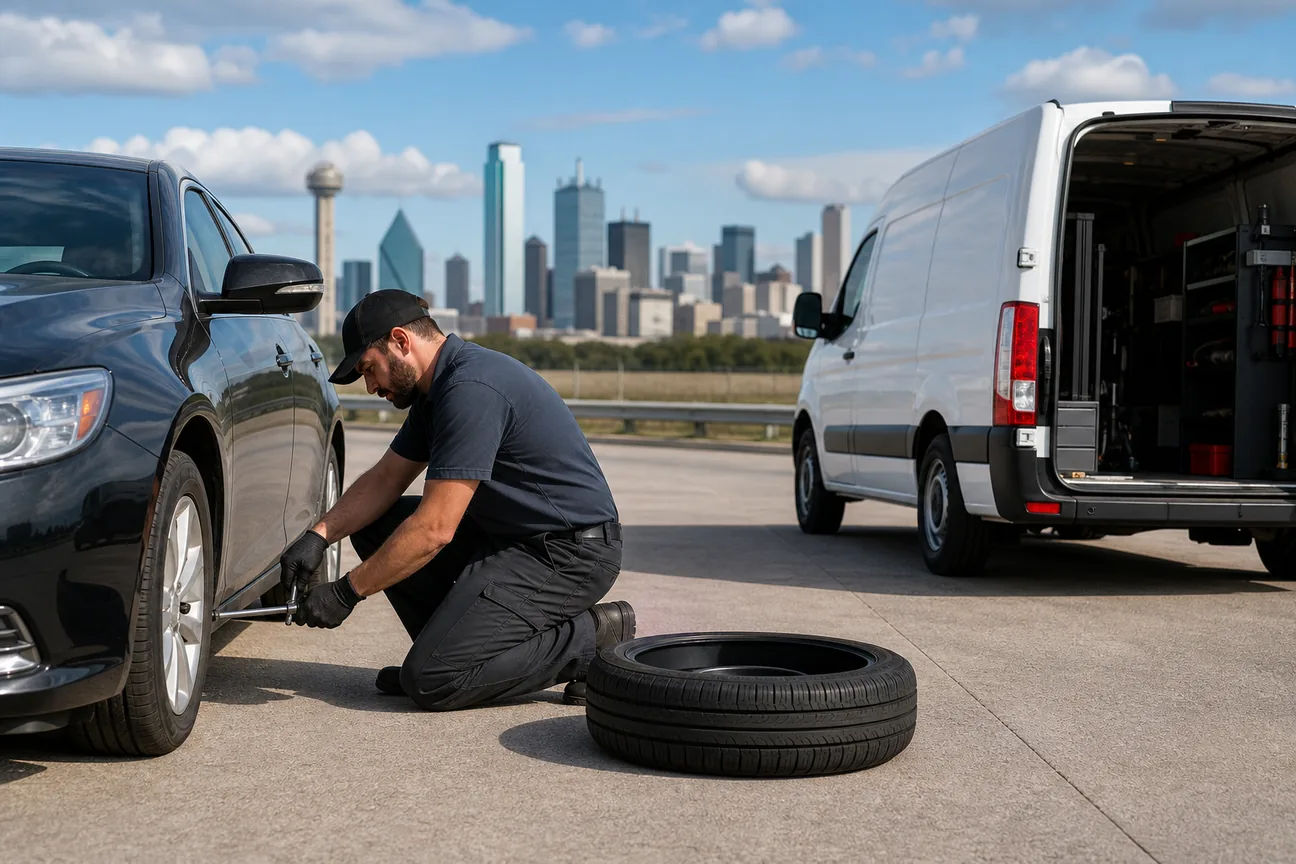
Downtime is costly. A mobile tire repair service that comes to your location can save you hours or even days. This is especially valuable for fleets operating in the Dallas-Fort Worth area, where traffic and distances can add delays.
3. Range of Services
Choose a provider that offers comprehensive services, including patching, retreading, balancing, and emergency roadside assistance. This ensures you have a one-stop solution for all your tire needs.
4. Quality of Materials and Equipment
High-quality patches, plugs, and retreading materials make a big difference in repair durability. Also, modern equipment ensures repairs are done efficiently and safely.
5. Reputation and Reviews
Check customer testimonials and reviews. A company known for reliability and quick response times will give you peace of mind.
6. Pricing Transparency
Understand the pricing structure upfront. Some repairs might be more cost-effective than others, but you want to avoid hidden fees.
If you’re searching for commercial tire repair near me, make sure to evaluate these factors carefully to find the best fit for your fleet.

Common Tire Issues and When to Repair or Replace
Knowing when to repair a tire and when to replace it is crucial. Here are some common issues and how professionals handle them:
Punctures in the Tread Area
Small punctures in the tread can usually be repaired safely if they are less than 1/4 inch in diameter. The repair involves removing the object, cleaning the hole, and applying a patch or plug from inside the tire.
Sidewall Damage
Sidewalls are more vulnerable and critical to tire integrity. Most sidewall damage cannot be repaired safely because it compromises the tire’s structure. In these cases, replacement is the best option.
Cuts and Cracks
Minor cuts can sometimes be repaired, but deep cuts or cracks often mean the tire should be replaced. Cracks can also indicate aging or dry rot.
Uneven Wear
Uneven tire wear often signals alignment or suspension issues. While this isn’t a repair issue for the tire itself, addressing the root cause prevents further damage.
Retreading
Retreading is a cost-effective way to extend tire life. It involves removing the worn tread and applying a new one. This process is only suitable for tires with sound casings and is common in commercial fleets.
When to Replace
Tires with sidewall damage or large punctures.
Tires with tread depth below legal limits (usually 4/32 inch for commercial trucks).
Tires showing signs of dry rot or severe cracking.
Tires with internal damage detected during inspection.
Regular inspections by a professional can help you catch these issues early and decide the best course of action.
Tips for Maintaining Commercial Tires Between Repairs
Proper maintenance can extend the life of your tires and reduce the need for repairs. Here are some practical tips:
Regular Inspections: Check tires daily for cuts, punctures, and uneven wear.
Maintain Proper Inflation: Underinflated or overinflated tires wear out faster and can cause blowouts.
Rotate Tires: Rotating tires regularly promotes even wear.
Monitor Load Limits: Avoid overloading your trucks, which stresses tires.
Keep Alignment in Check: Misaligned wheels cause uneven wear and handling problems.
Clean Tires: Remove debris and chemicals that can degrade rubber.
By following these steps, you’ll keep your fleet safer and reduce unexpected downtime.
Partnering with a Reliable Commercial Tire Repair Service
Choosing the right commercial tire repair service is more than just fixing tires. It’s about building a partnership that supports your business goals. A dependable provider understands the urgency of fleet operations and offers fast, quality service with minimal disruption.
If you’re in the Dallas-Fort Worth area, look for a service that offers mobile repairs, quick response times, and expert technicians. This way, you can focus on running your business while your tire partner keeps your trucks rolling.
Remember, a well-maintained tire is a safe tire. Investing in professional commercial tire repair services pays off in safety, savings, and peace of mind.
If you want to find trusted options for commercial tire repair near me, start by checking local providers with strong reputations and mobile capabilities. Your fleet deserves nothing less than the best.


Comments