.png)
Boost Your Fleet Efficiency with Tire Maintenance
- Mobile Service
- Sep 12, 2025
- 3 min read
Keeping a commercial fleet running smoothly is no small task. One of the most overlooked yet critical aspects of fleet management is tire maintenance. Proper tire care can save you money, reduce downtime, and improve safety on the road. I’ve seen firsthand how implementing fleet tire maintenance programs can transform operations, especially in busy areas like Dallas-Fort Worth. Let me walk you through why tire maintenance matters and how you can boost your fleet’s efficiency with the right approach.
Why Fleet Tire Maintenance Programs Matter
Tires are the only part of your trucks that touch the road. That means their condition directly affects fuel efficiency, vehicle handling, and safety. Neglecting tire maintenance can lead to:
Increased fuel consumption due to poor tire pressure or worn tread
Higher risk of blowouts and accidents
More frequent tire replacements, which cost more in the long run
Unplanned downtime that disrupts schedules and hurts your bottom line
A well-structured fleet tire maintenance program helps you avoid these issues by keeping tires in top shape. It involves regular inspections, pressure checks, tread depth monitoring, and timely replacements. When you stay on top of these tasks, your fleet runs more efficiently and safely.

Regular tire inspections help catch problems before they become costly.
Key Components of Effective Fleet Tire Maintenance Programs
To get the most out of your tire maintenance efforts, focus on these essential components:
1. Regular Tire Inspections
Schedule inspections at least once a month. Look for signs of uneven wear, cuts, punctures, or embedded objects. Use a tread depth gauge to ensure tires meet safety standards. Catching issues early prevents breakdowns and extends tire life.
2. Tire Pressure Management
Maintaining the correct tire pressure is crucial. Underinflated tires increase rolling resistance, which wastes fuel and causes premature wear. Overinflated tires reduce traction and can lead to blowouts. Use digital pressure gauges or install tire pressure monitoring systems (TPMS) for real-time data.
3. Tire Rotation and Alignment
Rotating tires regularly ensures even wear across all tires. Misaligned wheels cause uneven wear and handling problems. Schedule rotations and alignments based on manufacturer recommendations or mileage milestones.
4. Timely Tire Replacement
Don’t wait until tires are dangerously worn. Replace them when tread depth falls below 4/32 of an inch for steer tires and 2/32 for drive tires. Using tires beyond their safe limits risks safety and compliance issues.
5. Record Keeping and Data Analysis
Keep detailed records of tire inspections, maintenance, and replacements. Analyze this data to identify patterns and optimize your maintenance schedule. This proactive approach reduces unexpected failures and costs.

Consistent tire pressure checks improve fuel efficiency and safety.
How Mobile Fleet Tire Services Can Help
Managing tire maintenance in-house can be time-consuming and costly. That’s where professional fleet tire services come in. They bring expertise, equipment, and convenience right to your location. Here’s how they add value:
On-site inspections and repairs reduce downtime by eliminating the need to drive trucks to a shop.
Emergency tire change services keep your fleet moving even when unexpected issues arise.
Customized maintenance plans tailored to your fleet size, routes, and usage patterns.
Access to high-quality tires and parts ensures durability and performance.
Partnering with a trusted mobile tire service provider in Dallas-Fort Worth means you get expert care without disrupting your operations. It’s a smart way to keep your trucks rolling smoothly.

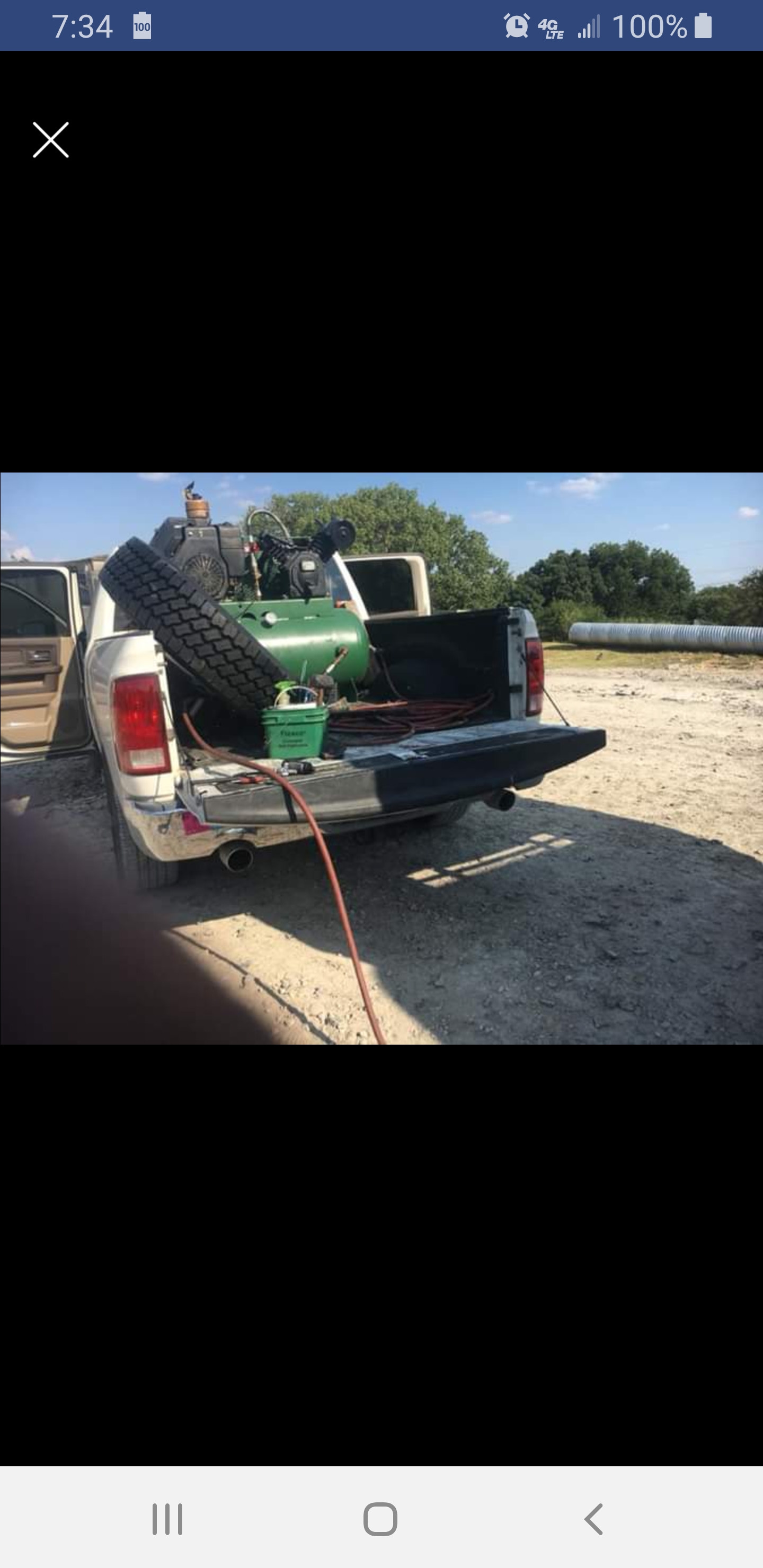
Mobile tire services offer quick and convenient tire care at your fleet’s location.
Practical Tips to Maximize Your Fleet Tire Maintenance Program
Implementing a program is just the start. To truly boost efficiency, follow these practical tips:
Train your drivers to perform basic tire checks before and after trips. They can spot issues early and report them.
Use technology like TPMS and fleet management software to monitor tire health remotely.
Schedule maintenance during off-peak hours to minimize impact on delivery schedules.
Negotiate service contracts with mobile tire providers for priority response and cost savings.
Invest in quality tires designed for your specific fleet needs and road conditions in Dallas-Fort Worth.
By combining these strategies with a solid maintenance program, you’ll see fewer breakdowns, lower fuel costs, and longer tire life.
Keep Your Fleet Rolling with Confidence
Tire maintenance is a powerful lever to improve your fleet’s efficiency and safety. With the right fleet tire maintenance programs, you reduce costs, prevent downtime, and protect your drivers on the road. Whether you manage a small fleet or a large operation, prioritizing tire care pays off.
If you want to simplify your tire maintenance and get expert support, consider partnering with a reliable mobile provider. They bring the service to you, so your trucks stay on the move with minimal fuss.
Start today by assessing your current tire maintenance practices and exploring how professional fleet tire services can help. Your fleet’s performance and safety depend on it.


Comments