.png)
Choosing the Best Commercial Truck Tires: Your Guide to the Best Truck Tires
When it comes to keeping your fleet on the road, choosing the best truck tires is a decision you can't take lightly. The right tires not only improve safety but also boost fuel efficiency and reduce downtime. I've spent years working with commercial fleets, and I know how crucial it is to pick tires that stand up to the demands of heavy-duty hauling. In this post, I’ll walk you through everything you need to know to make an informed choice.
Why Choosing the Best Truck Tires Matters
Selecting the best truck tires is more than just picking the cheapest option or the most popular brand. Your tires are the only point of contact between your truck and the road. That means they affect handling, braking, and overall vehicle performance. Poor tire choices can lead to:
Increased fuel consumption
Frequent tire replacements
Safety risks on highways and city streets
Costly downtime for your fleet
For commercial fleets, every minute a truck is off the road means lost revenue. That’s why investing in quality tires pays off in the long run. The best truck tires offer durability, traction, and efficiency tailored to your specific hauling needs.

How to Identify the Best Truck Tires for Your Fleet
Finding the best truck tires means understanding your fleet’s unique requirements. Here are the key factors to consider:
1. Tire Type and Application
There are several types of truck tires designed for different uses:
Steer Tires: Designed for the front axle, these tires need excellent handling and wear resistance.
Drive Tires: Located on the drive axle, they require strong traction and durability.
Trailer Tires: Used on trailers, these tires focus on even wear and load capacity.
Knowing which tires fit your truck’s role helps narrow down your options.
2. Load Capacity and Size
Always check the tire’s load rating to ensure it can handle your truck’s weight. Overloading tires can cause premature wear or even blowouts. The size must also match your truck’s specifications for optimal performance.
3. Tread Pattern and Depth
Tread design affects traction and tire life. For example:
Ribbed treads offer good steering control and fuel efficiency on highways.
Lug treads provide better grip on rough or off-road surfaces.
Deeper treads generally last longer but may impact fuel economy.
4. Weather and Road Conditions
Consider the climate and typical road surfaces your trucks encounter. If you operate in wet or icy conditions, tires with enhanced water evacuation and traction features are essential.
5. Retreadability
Retread tires can be a cost-effective option if you want to extend tire life without sacrificing safety. Check if the tire brand supports retreading and how many cycles it can handle.
The Role of Maintenance in Maximizing Tire Life
Even the best truck tires won’t last if they’re not properly maintained. Here’s what I recommend to keep your tires in top shape:
Regular Inspections: Check for cuts, punctures, and uneven wear every week.
Proper Inflation: Underinflated tires wear faster and reduce fuel efficiency. Use a reliable gauge to maintain recommended pressure.
Wheel Alignment: Misaligned wheels cause uneven tire wear and handling issues. Schedule alignments regularly.
Rotation: Rotating tires between axles helps even out wear patterns.
Load Management: Avoid overloading your trucks to prevent excessive tire stress.
A proactive maintenance routine can extend tire life by thousands of miles and keep your fleet rolling smoothly.

Why Mobile Tire Service is a Game-Changer for Fleets
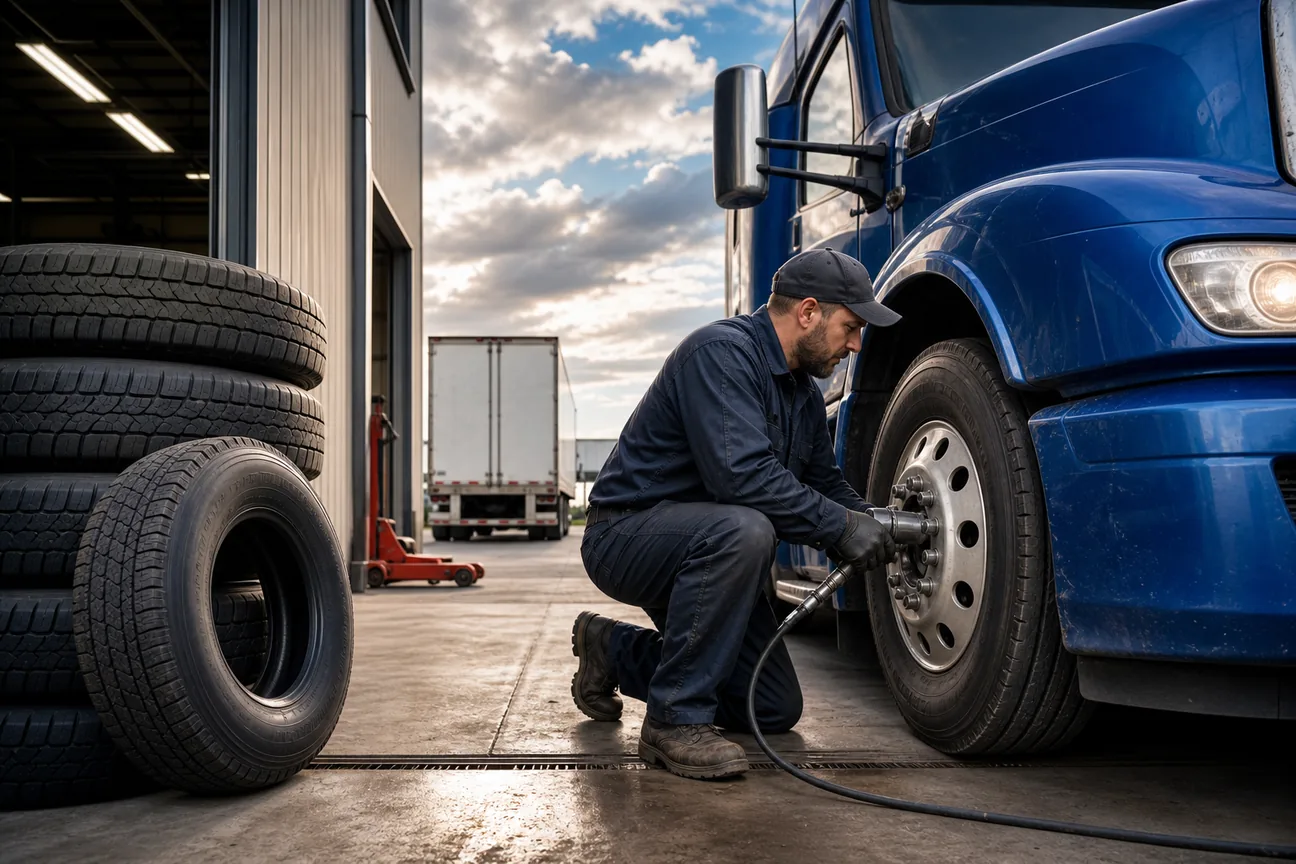
Downtime is the enemy of any commercial fleet. That’s why mobile tire service is becoming a must-have. Instead of towing trucks to a shop, mobile technicians come to your location and handle tire repairs, replacements, or inspections on-site.
Here’s why mobile service makes a difference:
Minimizes Downtime: Trucks get back on the road faster without waiting in line at a shop.
Convenience: Service happens wherever your trucks are parked, whether at a warehouse or on a job site.
Cost Savings: Reduces towing fees and lost productivity.
Expertise on Demand: Skilled technicians provide professional service tailored to your fleet’s needs.
For fleets in Dallas-Fort Worth, having a reliable mobile tire partner means less hassle and more uptime. It’s a smart way to protect your investment in the best truck tires.
Making the Smart Choice for Your Fleet’s Tires
Choosing the best truck tires is a strategic decision that impacts safety, efficiency, and your bottom line. Here’s a quick checklist to help you decide:
Match tires to your truck’s role and load requirements.
Consider the typical road and weather conditions.
Look for tires with strong warranties and retread options.
Implement a strict maintenance schedule.
Partner with a mobile tire service provider for quick support.
If you want to explore options, check out commercial truck tires that combine durability and performance for demanding fleet operations.
By focusing on quality tires and proactive care, you’ll keep your trucks rolling longer and safer. That’s the kind of reliability every fleet operator needs.
Keeping Your Fleet Moving Forward
Investing in the best truck tires is just the start. The real key to success is combining quality products with expert service and ongoing maintenance. When you do that, you reduce downtime, improve safety, and save money over time.
Remember, your tires are the foundation of your fleet’s performance. Treat them well, and they’ll keep your business moving forward mile after mile.


Comments