
How to Replace Truck Tires Efficiently: A Practical Guide
Replacing semi truck tires efficiently is crucial for keeping commercial fleets on the road with minimal downtime. When a tire goes flat or wears out, the faster and safer you can handle the replacement, the better it is for your business. I’ve learned some key strategies over the years that help me get the job done right without wasting time or resources. In this post, I’ll share those tips with you, so you can keep your trucks rolling smoothly.
Why It’s Important to Replace Truck Tires Efficiently
Time is money in the trucking business. Every minute a truck spends off the road means lost revenue and delayed deliveries. Efficient tire replacement isn’t just about speed, though. It’s about doing the job safely and correctly the first time. Poor tire maintenance or rushed replacements can lead to accidents, more frequent tire failures, and higher costs down the line.
Here’s why efficiency matters:
Minimizes downtime: Quick tire changes get trucks back on the road faster.
Improves safety: Properly installed tires reduce the risk of blowouts.
Saves money: Avoids costly repairs and premature tire wear.
Boosts reputation: Reliable service keeps your fleet trusted by clients.
By focusing on efficiency, you’re not just fixing a tire—you’re protecting your entire operation.

Can a semi-truck tire be repaired
Commercial tire puncture repair
Semi-truck tire replacement Dallas
Mobile commercial tire repair DFW
Truck tire sidewall damage
Commercial tire patch repair
Semi-truck flat tire repair
24-hour commercial tire repair Dallas
Fleet tire repair service
Mobile semi-truck tire service Fort Worth
Emergency roadside tire repair
How to Replace Truck Tires Efficiently
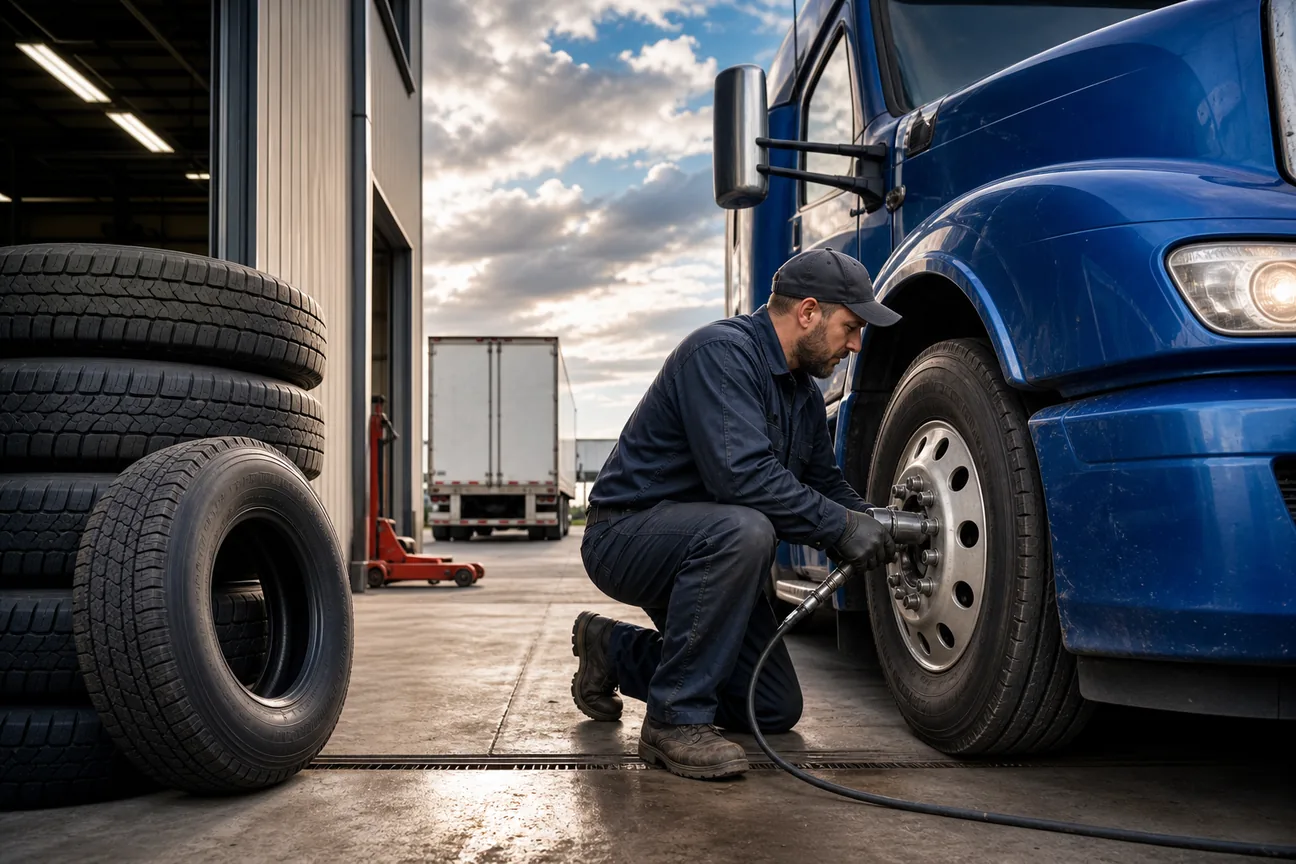
Efficiency starts with preparation and the right tools. Here’s a step-by-step approach I follow to replace truck tires quickly and safely:
Inspect the tire and surrounding area: Before you start, check the tire condition and make sure the truck is parked on a flat, stable surface.
Gather all necessary tools: Having everything ready saves time. This includes a heavy-duty jack, lug wrench, torque wrench, and safety gear.
Loosen lug nuts before lifting: Slightly loosen the lug nuts while the tire is still on the ground. This prevents the wheel from spinning when you try to remove them.
Use a proper jack: Lift the truck using a jack rated for heavy loads. Position it under the recommended lifting points.
Remove the lug nuts and tire: Once lifted, remove the lug nuts completely and take off the tire.
Inspect the wheel and hub: Check for damage or debris before installing the new tire.
Mount the new tire: Align the tire properly and hand-tighten the lug nuts.
Lower the truck and tighten lug nuts: Lower the truck carefully and then tighten the lug nuts in a star pattern using a torque wrench to the manufacturer’s specifications.
Check tire pressure: Inflate the tire to the recommended PSI.
10. Final inspection: Make sure everything is secure and the area is clear before moving the truck.
Following these steps helps avoid common mistakes and speeds up the process.
What is needed to change a tire on a semi-truck?
Changing a tire on a semi-truck requires specific tools and safety equipment. Here’s what you’ll need to have on hand:
Heavy-duty hydraulic jack or air jack: Capable of lifting the truck’s weight safely.
Lug wrench or impact wrench: For loosening and tightening lug nuts.
Torque wrench: To ensure lug nuts are tightened to the correct specification.
Replacement tire: Make sure it matches the size and load rating of the original.
Wheel chocks: To prevent the truck from rolling during the process.
Gloves and safety glasses: Protect yourself while working.
Tire pressure gauge: To check and adjust tire pressure.
Flashlight or portable work light: Useful if working in low light conditions.
Creeper or mat: For comfort when working on the ground.
Having these tools ready before you start will make the job smoother and safer.

Tips for Maintaining Tires to Reduce Replacement Frequency
Preventive maintenance is key to reducing how often you need to replace tires. Here are some practical tips I recommend:
Regularly check tire pressure: Underinflated or overinflated tires wear unevenly and fail sooner.
Rotate tires periodically: This helps even out wear across all tires.
Inspect tires for damage: Look for cuts, punctures, or sidewall bulges.
Balance and align wheels: Proper alignment prevents uneven wear.
Avoid overloading: Stick to the truck’s load capacity to prevent excessive tire stress.
Drive carefully: Avoid potholes and rough roads when possible.
By following these steps, you can extend tire life and reduce downtime caused by unexpected tire failures.
Why Choose Professional Mobile Tire Services in Dallas-Fort Worth
When it comes to semi truck tire replacement, having a reliable partner nearby can make all the difference. Mobile tire services bring the expertise and equipment right to your truck’s location. This means no need to tow your truck to a shop or wait for hours.
Here’s why mobile tire service is a smart choice:
Fast response times: They come to you, reducing downtime.
Expert technicians: Skilled in handling heavy-duty tires safely.
Full range of services: From tire repair to replacement and balancing.
Convenience: Work continues while your truck is serviced on-site.
Cost-effective: Saves towing fees and lost revenue.
For fleets operating in Dallas-Fort Worth, partnering with a trusted mobile tire service ensures your trucks stay on the road longer and safer.
If you want to learn more about semi truck tire replacement, check out trusted local providers who specialize in mobile services tailored for commercial fleets.
Keep Your Fleet Rolling with Efficient Tire Replacement
Replacing semi truck tires efficiently is about preparation, the right tools, and knowing the proper steps. It’s also about partnering with reliable services that understand the unique needs of commercial fleets. By focusing on these areas, you can minimize downtime, improve safety, and save money.
Remember, every tire change is an opportunity to keep your trucks moving and your business thriving. Stay proactive with maintenance, invest in quality tools, and don’t hesitate to call in professionals when needed. Your fleet’s performance depends on it.
Keep those wheels turning smoothly!


Comments