.png)
Effective Strategies for Commercial Tire Repair Services
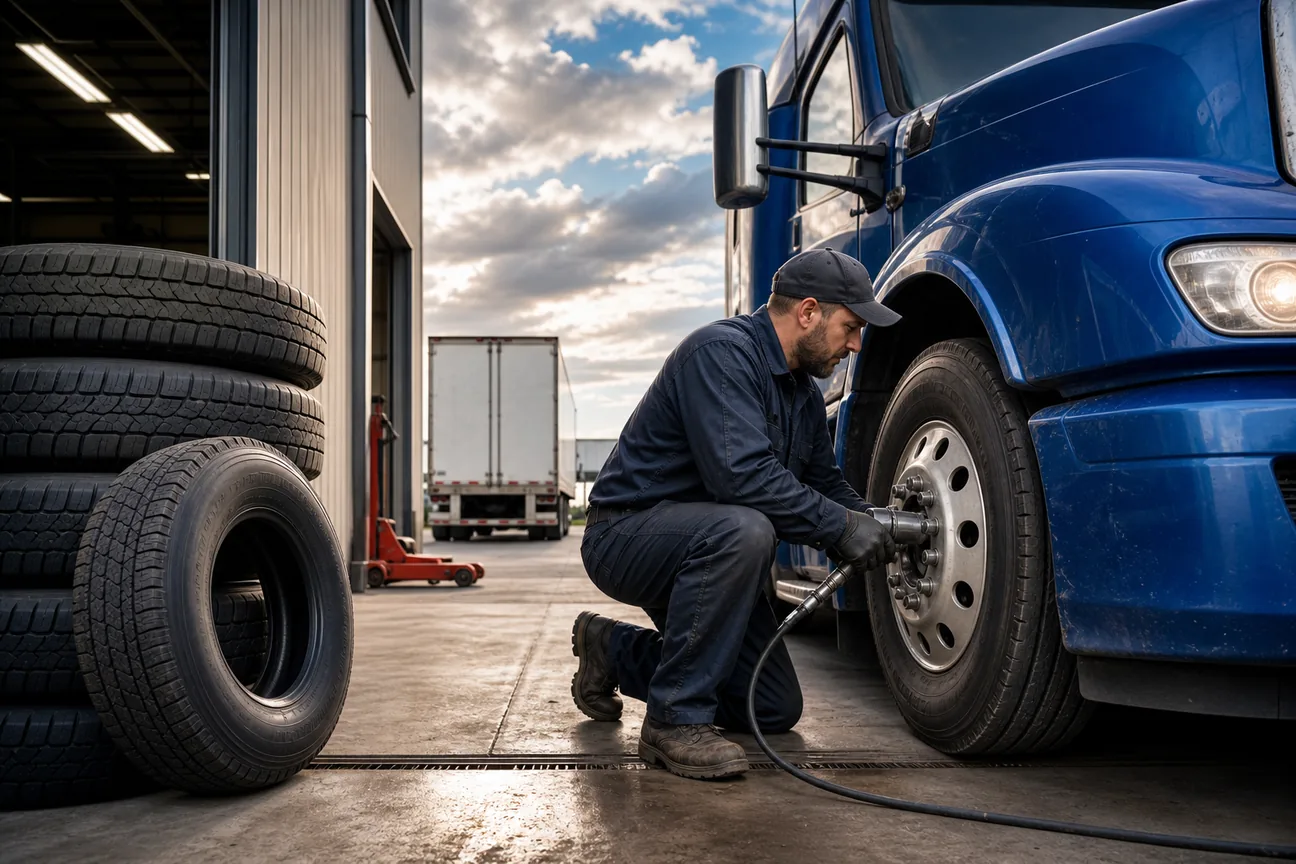
Keeping commercial trucks on the road is no small task. Tires are a critical part of any fleet, and when they fail, downtime and costs can quickly pile up. Over the years, I’ve learned that having a solid plan for tire maintenance and repair is essential. In this post, I’ll share effective strategies for commercial tire repair services that help minimize disruptions and keep your fleet rolling smoothly.
Why Tire Repair Services Matter for Commercial Fleets
Tires on commercial trucks endure heavy loads, long distances, and rough road conditions. This makes them prone to wear and damage. When a tire fails unexpectedly, it can cause delays, increase expenses, and even compromise safety. That’s why investing in reliable tire repair services is a smart move.
Regular inspections and timely repairs extend tire life and improve fuel efficiency. Plus, they reduce the risk of blowouts and accidents. Whether it’s a minor puncture or a more serious issue, addressing problems early saves money and hassle down the road.
Here are some key benefits of professional tire repair services:
Reduced downtime: Quick repairs get trucks back on the road faster.
Cost savings: Fixing tires is cheaper than replacing them.
Improved safety: Proper repairs prevent accidents caused by tire failure.
Better fuel economy: Well-maintained tires reduce rolling resistance.
Extended tire life: Repairs and maintenance delay the need for new tires.

Choosing the Right Tire Repair Services
Not all tire repair services are created equal. For commercial fleets, you need a partner who understands the unique demands of heavy-duty tires and can respond quickly. Here’s what to look for when selecting a tire repair provider:
Mobile repair capabilities: A mobile service that comes to your location saves time and keeps your trucks moving.
Experienced technicians: Skilled professionals know how to handle commercial tires safely and effectively.
Quality materials: Using the right patches, plugs, and sealants ensures long-lasting repairs.
Comprehensive services: From puncture repairs to tire replacements, a full range of services is ideal.
Fast response times: Minimizing downtime means your trucks spend more time on the road.
Transparent pricing: Clear, upfront costs help you budget without surprises.
When you find a service that ticks these boxes, you’re investing in peace of mind and operational efficiency.
Can Commercial Tires Be Patched?
This is a common question, and the answer is yes - but with some important caveats. Commercial tires can be patched, but only under certain conditions. The location and size of the damage, as well as the tire’s overall condition, determine if a patch is a safe and effective solution.
Here’s what you need to know:
Location matters: Repairs are generally limited to the tread area. Sidewall damage usually means the tire must be replaced.
Size limits: Small punctures (typically less than 1/4 inch) can be patched. Larger holes or cuts are unsafe to repair.
Tire condition: If the tire is worn out or has multiple repairs, replacement is often the better choice.
Proper technique: A combination of patch and plug is the industry standard for commercial tires, providing a secure seal.
Attempting to patch a tire that doesn’t meet these criteria can lead to failure and safety risks. Always rely on professional technicians to assess and perform repairs.

Best Practices for Maintaining Commercial Tires
Prevention is the best strategy when it comes to tires. Regular maintenance reduces the need for repairs and extends tire life. Here are some best practices I recommend:
Routine inspections: Check tires daily for cuts, punctures, cracks, and uneven wear.
Proper inflation: Maintain recommended tire pressure to avoid premature wear and blowouts.
Wheel alignment: Misaligned wheels cause uneven tire wear and reduce fuel efficiency.
Rotate tires: Regular rotation promotes even wear across all tires.
Load management: Avoid overloading trucks, which stresses tires beyond their limits.
Clean tires: Remove debris and chemicals that can degrade rubber.
Implementing these habits helps catch issues early and keeps your fleet running efficiently.
When to Replace Commercial Tires
Knowing when to repair and when to replace tires is crucial. Sometimes, a repair is just a temporary fix, and replacement is the safer, more cost-effective option. Here are signs that it’s time to replace a tire:
Tread depth below legal limits: Worn tread reduces traction and increases risk.
Sidewall damage: Cuts, bulges, or cracks in the sidewall compromise tire integrity.
Multiple repairs: Tires with several patches may not be reliable.
Age: Tires older than 5-7 years can degrade even if tread looks good.
Uneven wear: Indicates alignment or suspension issues that need addressing.
Replacing tires proactively prevents breakdowns and costly emergency repairs.
Partnering with a Trusted Mobile Tire Service
For commercial fleets, having a dependable mobile tire repair service is a game changer. Mobile services bring the expertise and equipment directly to your trucks, whether they’re at the yard, on the highway, or at a job site. This convenience reduces downtime and keeps your operations on schedule.
Look for a partner who offers:
24/7 availability for emergencies
Fast, professional service at your location
Transparent communication and fair pricing
Expertise with all types of commercial tires
By choosing the right mobile tire repair service, you ensure your fleet stays on the road with minimal fuss.
If you want to learn more about commercial tire repair, check out trusted local providers who specialize in keeping Dallas-Fort Worth fleets rolling.
Keeping commercial trucks moving means staying ahead of tire problems. With the right strategies, regular maintenance, and a reliable repair partner, you can reduce downtime and save money. Tire repair services are not just about fixing flats - they’re about protecting your investment and ensuring safety on every mile.
Invest in your fleet’s tires today, and you’ll see the benefits on the road tomorrow.


Comments