.png)
Essential Guide to Semi Truck Tire Service and Replacement
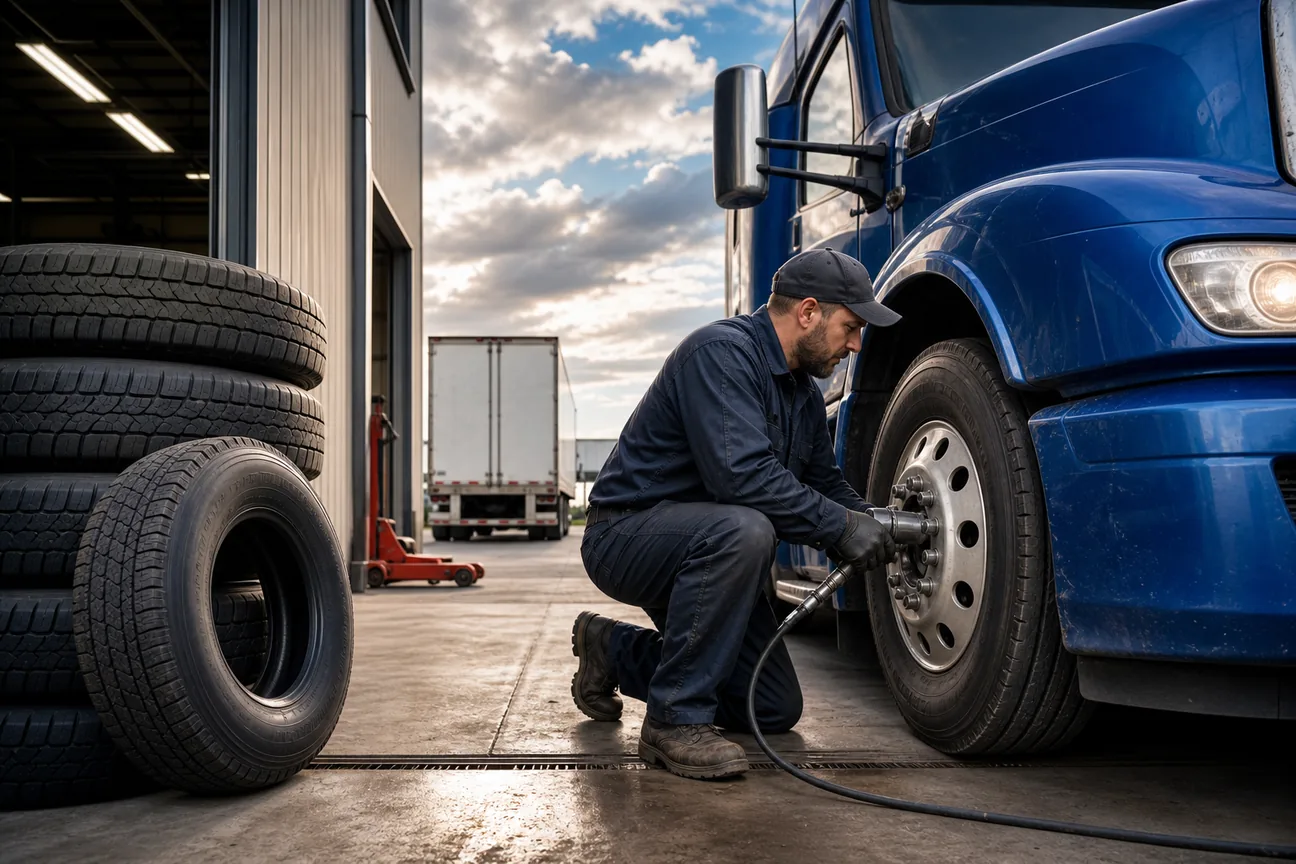
When it comes to keeping your commercial fleet on the road, nothing is more critical than the condition of your tires. Semi truck tires endure heavy loads, long distances, and varying road conditions every day. Knowing when and how to replace them can save you time, money, and headaches. In this guide, I’ll walk you through everything you need to know about semi truck tire service and how to handle tire replacement efficiently.
Why Regular Semi Truck Tire Service Matters
Maintaining your semi truck tires is not just about safety - it’s about maximizing your fleet’s uptime and reducing operating costs. Regular tire service helps catch issues early, preventing blowouts and uneven wear that can lead to costly repairs or downtime.
Here’s what a good semi truck tire service routine should include:
Tire inspections: Check for cuts, punctures, cracks, and tread depth.
Tire pressure monitoring: Proper inflation improves fuel efficiency and tire life.
Tire rotation and balancing: Even wear extends tire lifespan.
Alignment checks: Misalignment causes uneven wear and handling problems.
By scheduling routine tire service, you ensure your trucks stay safe and efficient on the road. Plus, it helps you plan for tire replacement before a tire fails unexpectedly.

Signs You Need Semi Truck Tire Replacement
Knowing when to replace your semi truck tires is crucial. Tires that are worn out or damaged can cause accidents, reduce fuel efficiency, and increase downtime. Here are some clear signs it’s time for new tires:
Tread depth below 4/32 inch: This is the legal minimum for front tires in many states.
Visible sidewall damage: Cuts, bulges, or cracks weaken the tire structure.
Uneven tread wear: Could indicate alignment or suspension issues.
Frequent air pressure loss: May signal internal damage.
Age of the tire: Tires older than 5-7 years should be replaced regardless of tread.
If you notice any of these signs, it’s time to schedule a semi truck tire replacement to keep your fleet rolling safely.
How much is a brand new semi-truck tire?
Understanding the cost of new semi truck tires helps you budget and plan replacements without surprises. Prices vary based on tire size, brand, and type, but here’s a general idea:
Standard steer tires: $300 to $500 each
Drive tires: $400 to $600 each
Trailer tires: $250 to $400 each
Keep in mind, investing in quality tires pays off with longer life and better fuel economy. Also, factor in installation, balancing, and disposal fees when budgeting.
For fleets, buying tires in bulk or working with a trusted mobile tire service can reduce costs and downtime. Mobile services come to your location, so your trucks don’t have to leave the yard, saving valuable time.

Tips for Choosing the Right Semi Truck Tires
Selecting the right tires for your trucks depends on your specific needs and operating conditions. Here are some tips to help you make the best choice:
Match tires to axle position: Steer tires differ from drive and trailer tires in tread design and durability.
Consider load capacity: Ensure tires can handle your truck’s maximum weight.
Choose the right tread pattern: Highway tires for long hauls, all-position tires for mixed routes.
Look for fuel-efficient options: Low rolling resistance tires save fuel.
Check warranty and service support: Good warranties and responsive service providers add value.
Working with a knowledgeable tire specialist can help you pick tires that fit your fleet’s routes and load requirements perfectly.
How to Extend the Life of Your Semi Truck Tires
Replacing tires is inevitable, but you can stretch their lifespan with proper care. Here’s what I recommend:
Maintain correct tire pressure: Check weekly and adjust as needed.
Rotate tires regularly: Every 6,000 to 8,000 miles to promote even wear.
Keep your wheels aligned: Misalignment causes uneven tread wear.
Avoid overloading: Stick to your truck’s weight limits.
Inspect tires frequently: Catch damage early before it worsens.
Following these steps reduces the frequency of tire replacement and keeps your fleet running smoothly.
Why Mobile Semi Truck Tire Service is a Game Changer
Downtime is the enemy of any commercial fleet. That’s why mobile semi truck tire service is such a valuable option. Instead of driving trucks to a shop and waiting, mobile technicians come to your location. This means:
Faster tire changes and repairs
Less disruption to your schedule
Reduced towing costs
On-site inspections and maintenance
For fleets in the Dallas-Fort Worth area, having a reliable mobile tire service partner ensures your trucks get back on the road quickly and safely.
Keeping Your Fleet Rolling with Confidence
Tires are the foundation of your trucks’ performance and safety. By prioritizing regular semi truck tire service and knowing when to replace tires, you protect your investment and keep your fleet moving without unnecessary stops.
Remember, a proactive approach to tire care saves money and prevents headaches down the road. Whether you’re managing a small fleet or a large operation, partnering with a trusted tire specialist who offers mobile service can make all the difference.
Stay ahead of tire issues, plan your replacements wisely, and keep your trucks rolling strong every mile of the way.


Comments