
How Much Does Mobile Tire Repair Cost? A Step‑by‑Step Guide
- Aug 24
- 5 min read
Updated: Aug 25
Mobile tire problems can stall a fleet in minutes. The right process lets you get back on the road without surprise fees. Follow these five steps to control costs and keep downtime low.
Table of Contents
Step 1: Identify the Tire Problem and Vehicle
First, note where the tire sits and what’s wrong. Is the flat on a drive axle or a steer axle? Does the tire show a nail in the tread or a sidewall crack? The repair approach depends on the location and extent of the damage. For general background, see (Wikipedia). A sidewall cut may mean the tech will need to replace the tire on the spot.
Next, record the tire size. Look for the sidewall markings, a code like 295/75R22.5 tells the tech which stock tire to bring. If the size is unusual, let the dispatcher know so they can load the right inventory.
Finally, capture a photo of the damage if you can. A clear shot helps the dispatcher confirm whether a repair is feasible before they send a crew. That way you avoid an unnecessary dispatch.

Our own team at The Tire Specialist uses this exact checklist to keep the first call under five minutes. By the time the tech is on the way, you’ll already know if the job is a simple repair or a full swap.
Key Takeaway:A quick visual and tire‑size check lets you sort repair‑eligible tires from replacement‑only cases before any tech arrives.
Step 2: Confirm Whether On‑Site Repair Is Safe
A tech will run a visual inspection, a soapy‑water leak test, and a tread‑depth gauge check. If any of those steps flag a problem, they’ll move straight to a replacement.
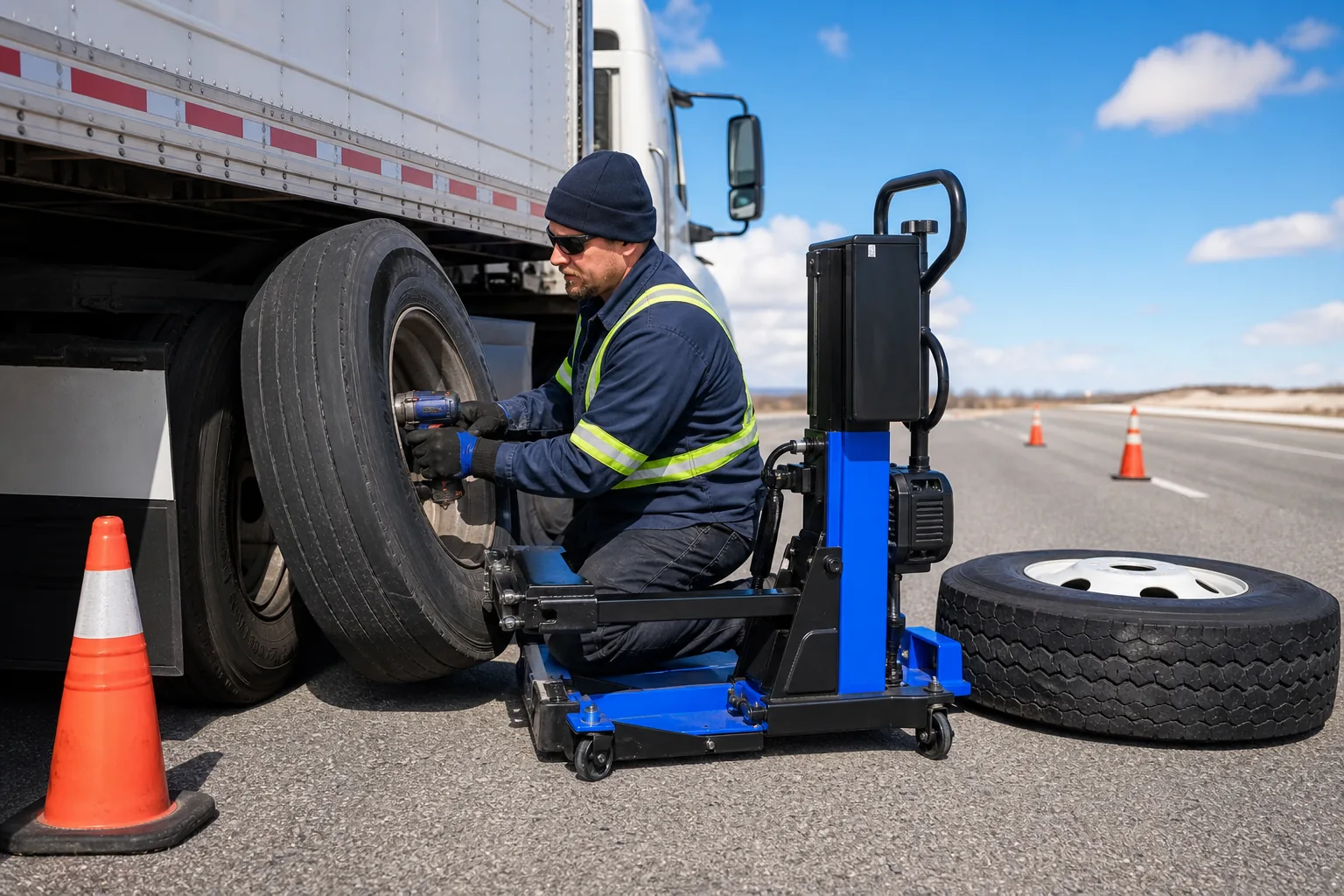
Ask the dispatcher about the equipment on the truck. Some crews carry a lift that reaches 24‑foot rigs, which is important for semi‑trucks that sit low on the ground. If the truck can’t be safely lifted, the tech may recommend a tow to a shop.
Don’t overlook the environment. A repair on a busy highway or in a cramped loading dock can be hazardous. If the location limits the tech’s ability to secure the vehicle, a replacement on a safer site may be the only option.
Pro Tip:When you know the repair isn’t safe, request a tow upfront. That can help prevent delays later.
Step 3: Request a Clear Mobile Service Quote
Before the tech rolls up, ask for a line‑item estimate. The quote should list a call‑out fee, labor charge, any parts needed, and taxes. A transparent quote lets you compare providers and keeps your fleet budget on track.
Provide the dispatcher with the tire size, damage photo, and exact location (including nearest exit or gate). The more detail you give, the more accurate the quote will be.
Our own pricing model is per‑tire plus a flat service fee, which you can see in the Best Mobile Tire Repair Cost Estimates in Dallas Area post. That page breaks down typical costs for flats, replacements, and emergency call‑outs.
Ask the tech to confirm the turnaround time. A good provider will give an ETA once they know the exact job scope. If the response window stretches beyond an hour for a simple flat, you may want to shop around.
Step 4: Compare Response Time, Coverage, and Technician Experience
Response time varies across the DFW metro. Learn more about roadside assistance. The Tire Specialist consistently averages about 32 minutes, which beats the regional average.
Check 24/7 coverage. While nine of the fifteen surveyed firms claim round‑the‑clock service, only a handful can truly reach a broken commercial tire in under 45 minutes. Our own crew is on‑call 24/7 and can be on site within 30 minutes for most DFW locations.
Look at certifications. Technicians with TIA or ASE credentials have proven training on heavy‑duty systems. The Tire Specialist’s staff holds TIA certification, giving you confidence in the repair quality.
Finally, evaluate fleet programs. Only three providers offer a dedicated fleet‑maintenance package. The Tire Specialist’s program tracks tire health and paperwork, saving you admin time.
Best 24 Hour Mobile Tire Repair Services Near You
Step 5: Prepare for the Repair and Prevent Repeat Breakdowns
When the tech arrives, clear the area around the wheel. Remove any debris, make sure there’s enough clearance for the lift, and have the driver ready to assist with safety checks.
Ask the technician to confirm the repair method. For a tread puncture, a plug‑and‑patch combo should be used. The tech will lubricate the bead, install the plug, then apply a patch from inside the tire.
After the repair, request a pressure check and a brief road test. The tech should inflate the tire to the manufacturer’s recommended pressure and verify that there’s no slow leak using a soapy‑water test.
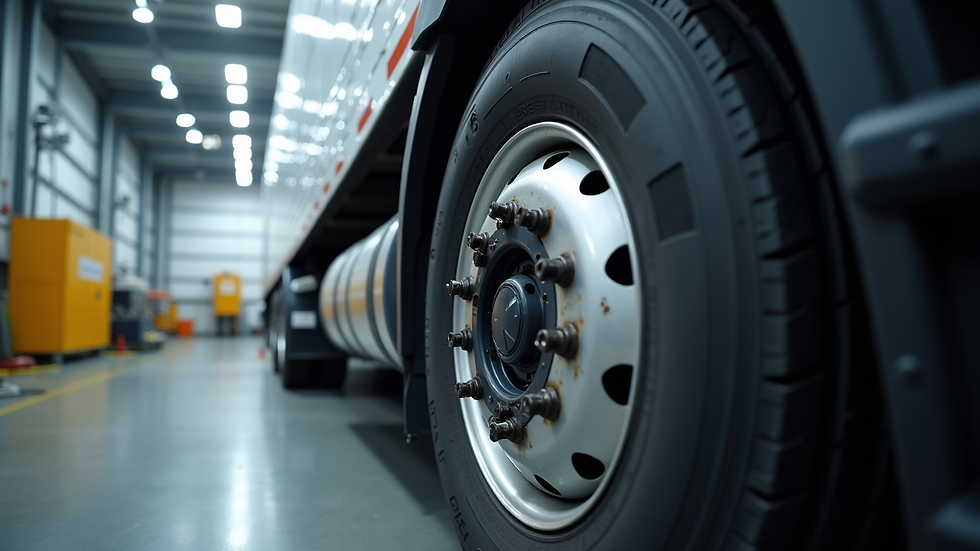
To avoid future flats, schedule regular tire inspections. Regular visual checks and balance checks help keep wear even and catch embedded debris early.
Key Takeaway:Proper prep and post‑repair checks seal the job and reduce the chance of a repeat breakdown.
FAQ
How much does mobile tire repair cost for a flat?
The cost depends on service type, tire size, and urgency, but a basic flat repair typically runs between $30 and $60, plus any call‑out fee.
Do mobile tire repairs include a warranty?
Many providers, including The Tire Specialist, offer a limited warranty on the repair workmanship, with terms that vary by provider.
Can a mobile crew replace a sidewall‑damaged tire?
Yes, if the damage is beyond the repairable tread area, the crew will replace the tire on site, provided they have the correct size in stock.
Is a 24/7 service worth the extra cost?
For fleets that run around the clock, the added expense of a 24/7 guarantee can prevent costly downtime for commercial trucks.
How do I know if the quote is fair?
Ask for a line‑item breakdown, compare it to the cost tables in our Mobile Tire Repair Cost Estimates page, and verify that there are no hidden surcharges.
What should I do if the tech can’t fix the tire on site?
If the technician determines the tire isn’t safe to repair, they’ll replace it on the spot or arrange a tow to the nearest shop; make sure the replacement tire matches the original specifications.
Keeping your fleet moving takes planning and the right partners. Choose a provider that offers fast response, clear quotes, and certified technicians. Get started with The Tire Specialist today and schedule your first service call.

Comments