Semi Truck Tire Maintenance: A Step‑by‑Step Guide
Your semi’s tires are the only thing touching the road. If they fail, you lose time, money, and safety. Follow these five steps to keep every rubber circle in top shape.
Step 1: Perform a Pre‑Trip Visual Inspection
Start at the driver’s side front tire and walk around the rig. Look for cuts, bulges, exposed cords, or missing valve caps. Check tread depth with a gauge , anything under 4/32" on steer tires means it’s time for service.
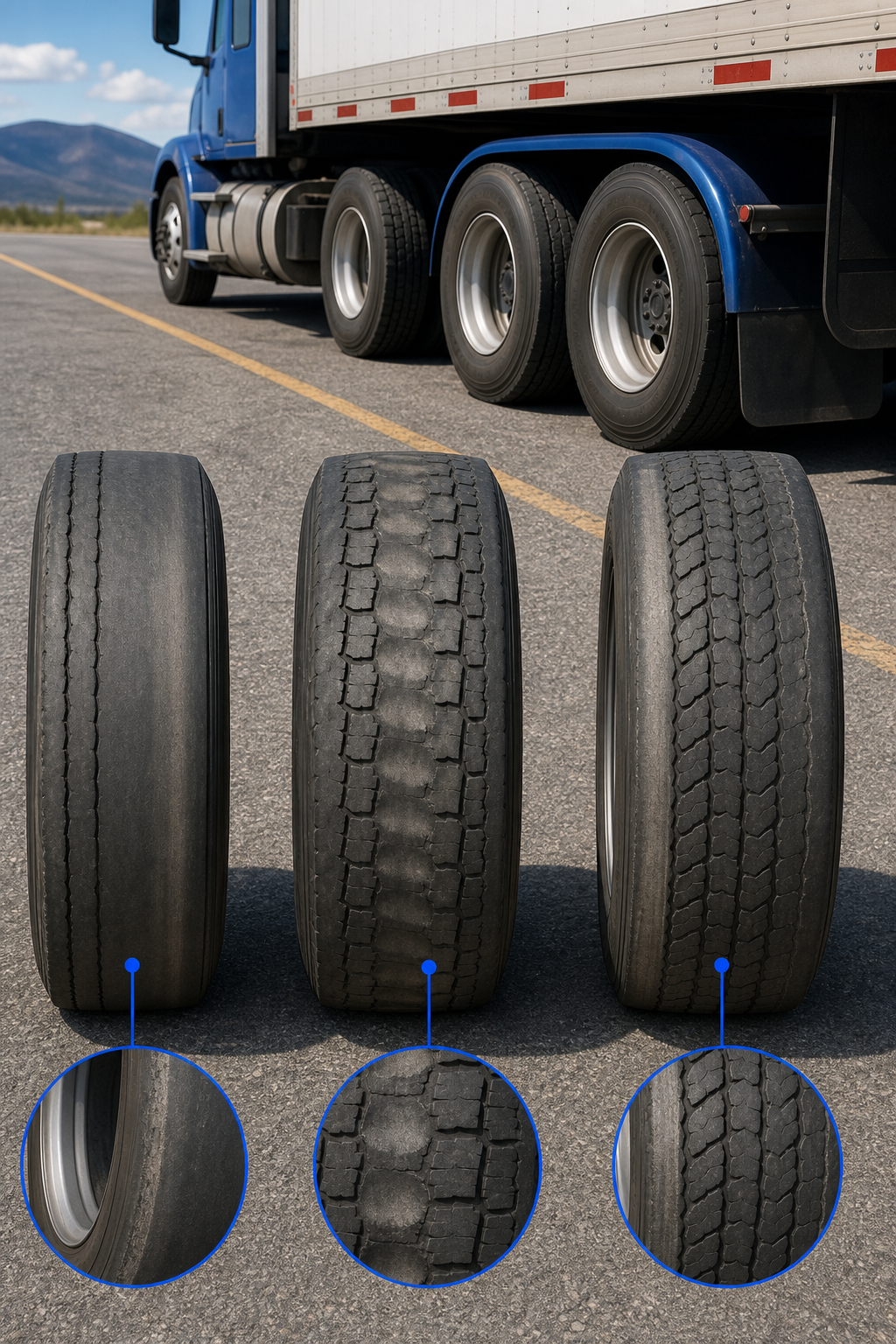
While you’re out, note any uneven wear patterns like cupping or heel‑to‑toe. Those clues point to alignment or suspension issues that need a technician’s eye.
By the end of this walk you should have a quick mental checklist of any tire that needs closer attention.
Step 2: Check and Adjust Tire Air Pressure
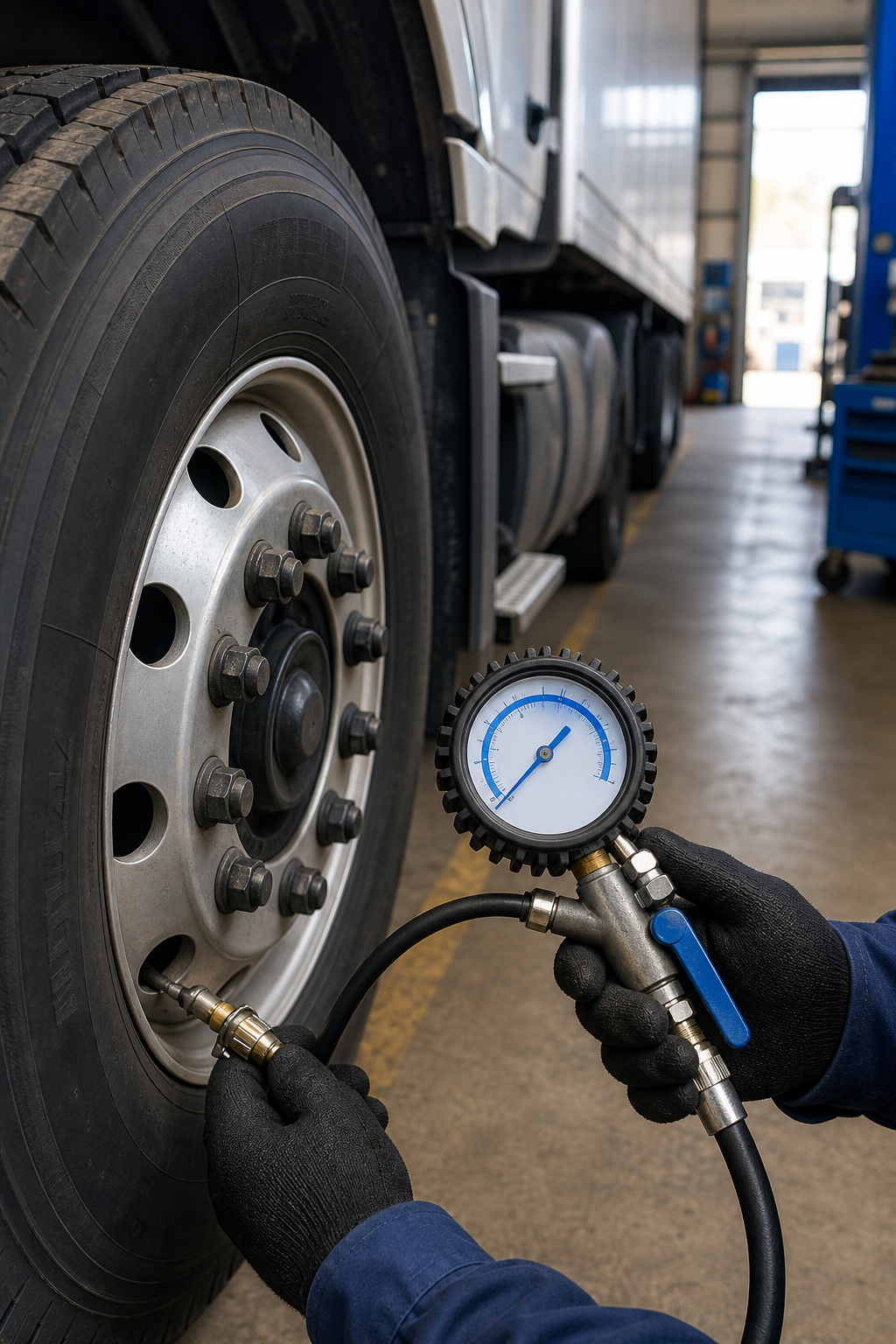
Cold‑inflated readings give the most accurate numbers. Pull a reliable gauge after the truck has rested for at least three hours.
Steer tires on a typical 18‑wheel need 105‑110 psi, while drive and trailer tires run around 85‑90 psi. Adjust each wheel to the manufacturer’s spec, which you’ll find on the driver’s side door jamb or in the owner’s manual.
Temperature swings can shift pressure by about 1 psi for every 10 °F change. In summer, let tires cool before you read them; in winter, add a few psi to compensate for the cold.
Keeping pressure spot‑on reduces rolling resistance, saves fuel, and prevents sidewall stress that leads to premature failure.
Fleet tire maintenance programs
Step 3: Rotate, Balance, and Align Tires Regularly
Rotating regularly spreads wear evenly. It also gives you a chance to inspect for damage, check pressure, and rebalance if you feel vibration.
Follow the recommended pattern: front‑to‑rear cross on rear‑wheel‑drive rigs, diagonal swaps on all‑wheel‑drive trucks. If you have directional tires, keep them on the same side.
Balancing removes hot spots that cause cupping. A simple spin on a shop floor will reveal any imbalance by a wobble.
Alignment keeps the tires pointing straight, which cuts drag and prevents inner‑edge wear. Have the whole axle checked at least once a year or whenever you notice pulling.
On‑site tire repair services
Bridgestone’s tire rotation guide explains the exact patterns and why they matter: Bridgestone’s tire rotation guide .
Step 4: Plug a Punctured Tire , Step‑by‑Step Video Guide
When a nail or screw pierces the tread, the first move is to stop air loss. Pull the valve core with a valve‑core remover, then deflate the tire completely.
Insert the reamer to clear the hole, then feed a rubber plug with a plug insertion tool. Twist until the plug seats, trim excess, and re‑inflate to the proper pressure.
Check for leaks by spraying soapy water around the plug. Bubbles mean more air is escaping , if that happens, replace the tire or apply a patch‑plug combo from the inside.
After the plug, the tire can stay on the road for a short distance, but schedule a professional repair within the next service window.
Step 5: Seasonal Care & Wear‑Pattern Diagnosis
Summer heat can push tire pressure up 20 psi, leading to over‑inflation wear. Check pressure early in the morning and drop it if it reads high.
Cold snaps shrink pressure; add a few psi to keep the sidewalls flexing correctly. In wet months, watch tread depth , shallow tread lifts water and can cause hydroplaning.
Look for wear patterns: cupping indicates balance problems; scalloping points to suspension issues; heel‑to‑toe suggests mis‑alignment. Each pattern tells you where the underlying issue lies.
Document the pattern, mileage, and load conditions. Over time you’ll preventive fixes.
Top commercial tire brands guide
Bridgestone also explains tire cupping and how to avoid it: Bridgestone’s tire cupping article .
Frequently Asked Questions
How often should I inspect my semi‑truck tires?
Inspect them before every trip and do a deeper check at least once a month. Look for cuts, bulges, tread depth, and proper pressure.
What is the correct cold‑inflation pressure for a steer axle?
Most steer tires on an 80,000‑lb tractor need 105‑110 psi when the tires are cold. Check the placard on the driver’s side door jamb for exact numbers.
Can I rotate tires myself, or do I need a shop?
You can rotate if you have the right tools and know the correct pattern for your drivetrain. Many fleets prefer a mobile service to keep trucks on the road.
What causes cupping on a semi‑truck tire?
Cupping usually comes from an unbalanced wheel, worn suspension components, or mis‑alignment. A technician can rebalance, check shocks, and adjust alignment to fix it.
Is a plug a permanent fix for a puncture?
A plug lets you get back on the road quickly, but it’s considered a temporary repair. Schedule a professional patch‑plug or tire replacement within the next service cycle.
By following these steps, you’ll keep your fleet moving with fewer surprises and lower costs. Need a deeper look at a full‑scale tire maintenance program? on building a fleet‑wide tire strategy.
Ready to put this into practice? The Tire Specialist was built for exactly this.


Comments