
Best Commercial Trailer Tires for Fleet Needs
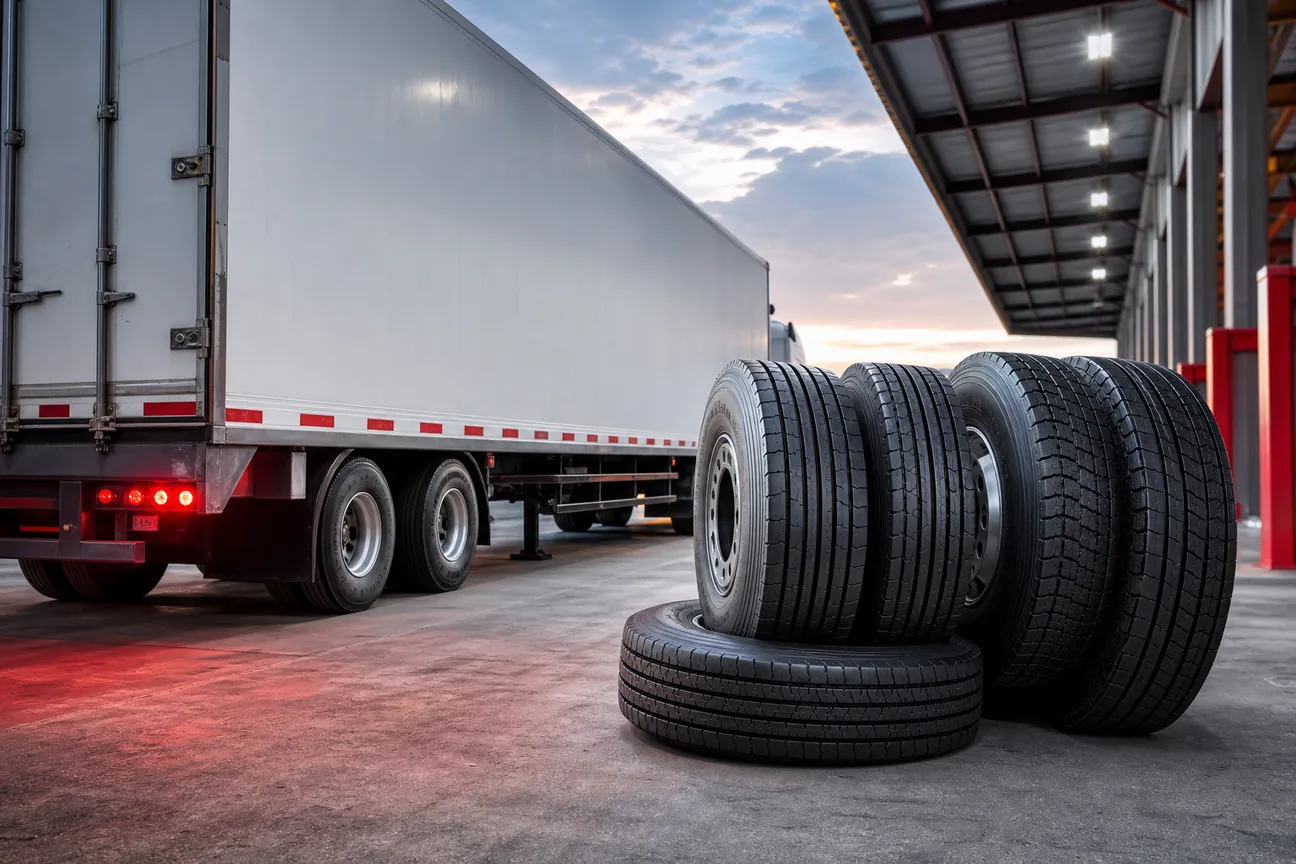
Fleet managers need tires that keep trailers moving, even when the road gets rough. A bad tire can halt a whole operation and cost thousands in lost time. Below are the three best commercial trailer tire options for today’s fleets, plus a quick way to compare them.
We analyzed 61 YouTube comments about commercial trailer tires and found that 30% mentioned tire age and durability.
Table of Contents
1. The Tire Specialist
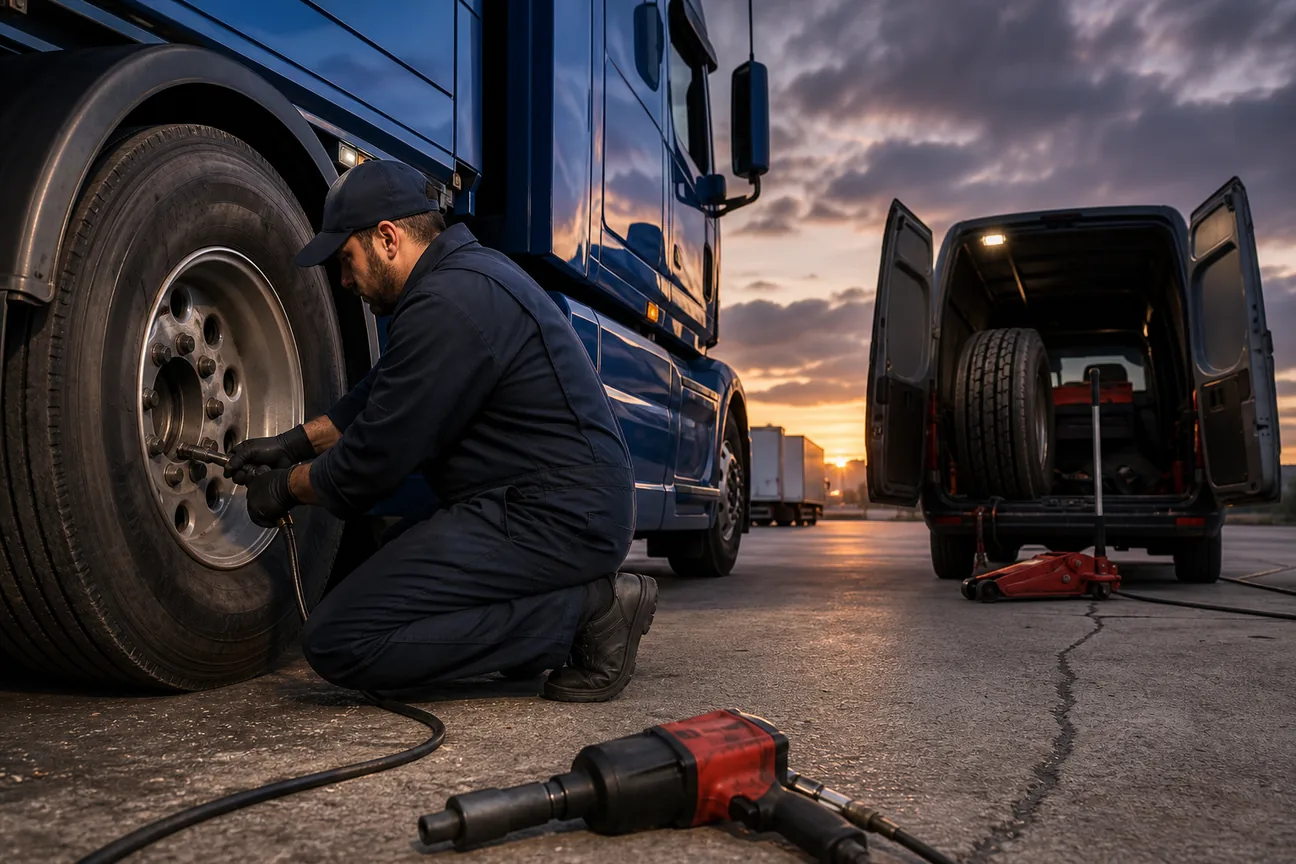
The Tire Specialist is a Dallas‑Fort Worth mobile service that brings commercial‑grade trailer tires right to your yard, dock, or roadside. It offers 24/7 coverage, and its technicians understand the load‑index and speed‑rating requirements of modern trailer fleets.
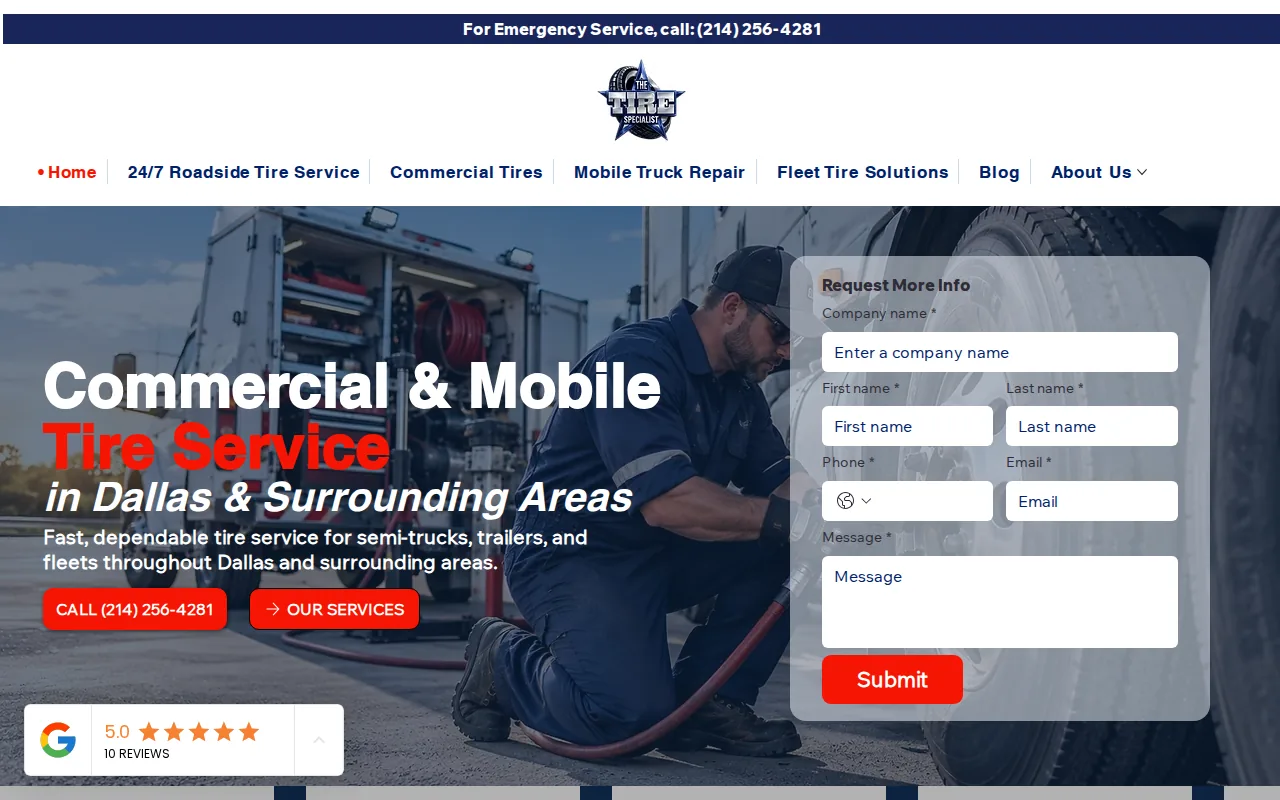
What makes this service stand out is the bundled fleet‑maintenance program. The team performs scheduled yard inspections, records tread depth, and logs pressure checks. A fleet that uses this service can expect fewer unscheduled downtimes because technicians arrive with the right tire size and the tools to mount, balance, and test on site.
Key Takeaway:Fast, certified, on‑site service plus a documented fleet‑maintenance program keeps trucks moving and paperwork simple.
When you need a new tire, the team can pull a fresh set of Michelin, Bridgestone, or other OEMs from their stocked inventory. They also offer advice on matching tire size to your trailer’s load rating, so you avoid over‑ or under‑inflating the wheels.
Need a deeper dive on tire pressure? Check out Best Tire Pressure for Trailer Tires: How‑To for a step‑by‑step guide.
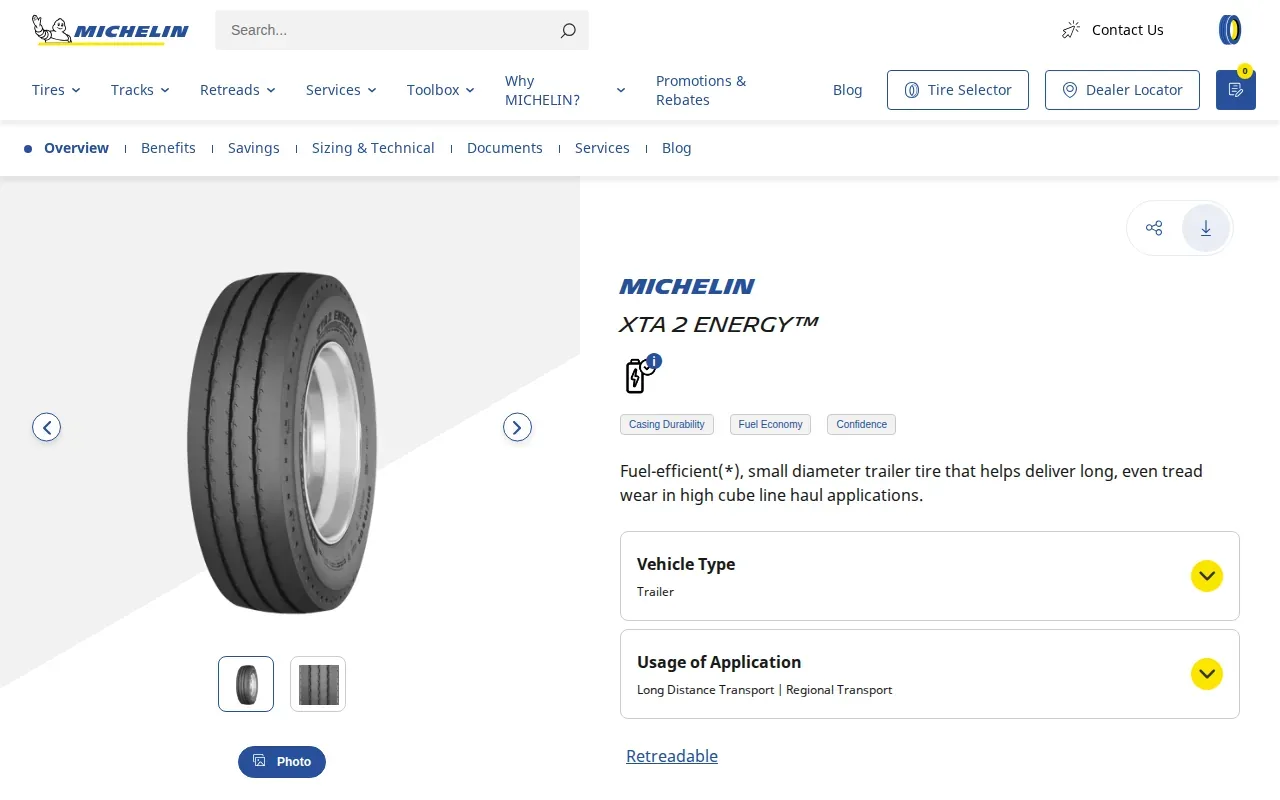
2. XTA 2 Energy by Michelin: a specialized model to check against fleet requirements
When reviewing the XTA 2 Energy, compare its intended application with your fleet’s routes, loads, and vehicle setup. Check that the tire is suitable for the trailer and wheel position, and consider how those requirements fit your day-to-day operations. A careful review can help fleet managers make a choice that matches their needs.
Before selecting a tire, consider the conditions your trailers regularly encounter and the demands placed on them. Review the information available for the model, then compare it with your operating requirements. This can help you decide whether it belongs on your list of options.
It is also useful to consider how your fleet checks tire condition and plans replacements. Keep records consistent across vehicles, and review the model’s fit with your maintenance process before making a selection. These steps can help keep decisions aligned with fleet requirements.
Pro Tip:Compare the tire’s intended application with your fleet’s vehicle and trailer requirements before selecting it.
For more on finding a reliable repair partner in Dallas, see Best Trailer Tire Repair Near Me: 6 Dallas Services .
3. R164 by Bridgestone: a wide‑base option for city and highway service
Bridgestone’s R164 is a wide‑base trailer tire for city and highway service. It is built for long-lasting wear.
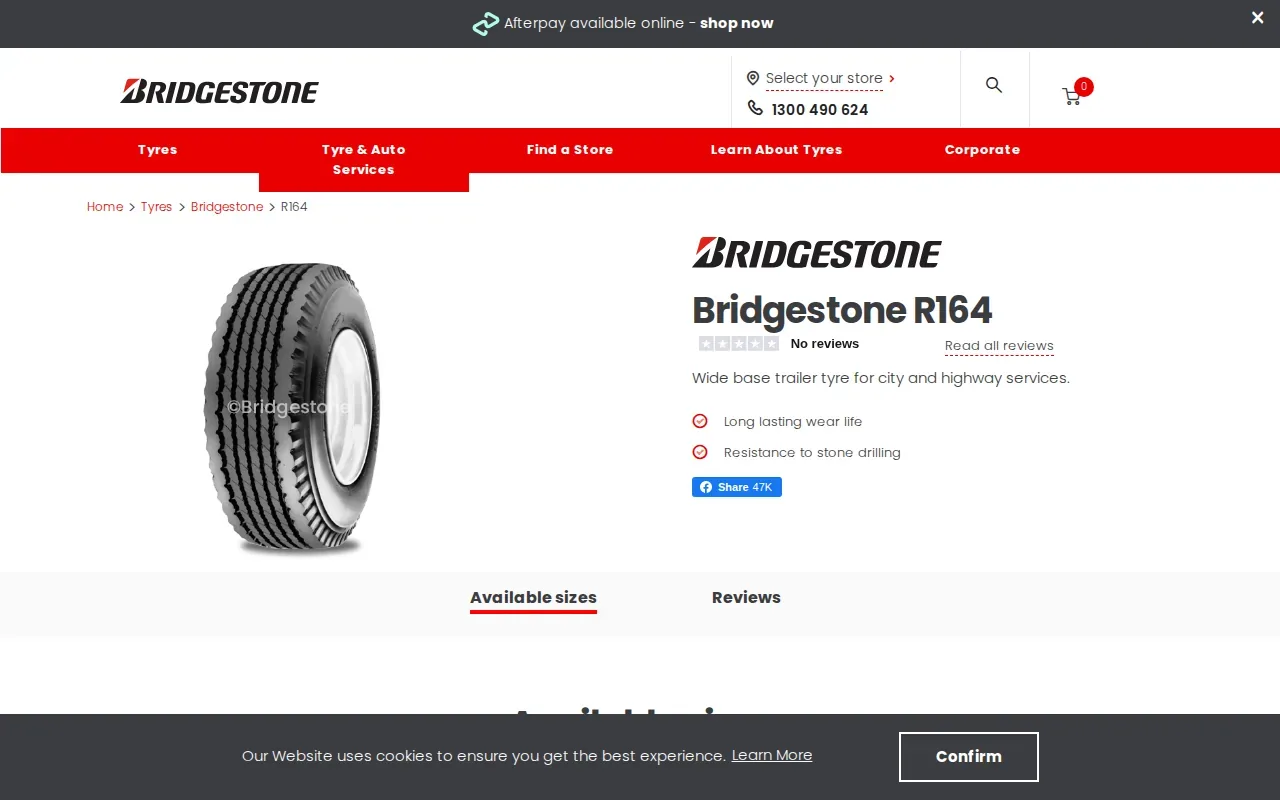
For fleets choosing a wide‑base trailer tire, the R164 is an option for city and highway service. Its features include resistance to stone drilling and long-lasting wear.
Learn more about federal tire rules in the DOT Tire Requirements: Commercial Truck Guide .
Quick comparison of these commercial trailer tires
Option | Key Strength | Service Support | Retreadable | Best For |
The Tire Specialist (mobile service) | Mobile tire service at your yard or roadside | 24/7 on‑site | Yes – works with any OEM | Fleets needing fast, on‑site swaps |
XTA 2 Energy by Michelin | Fuel-efficient trailer tire | OEM dealer network | Ask your dealer | Fleets that confirm a fit with their routes and loads |
R164 by Bridgestone | Wide base, stone‑drill resistance | OEM dealer network | Yes – supports retread | City & mixed‑route fleets |
FAQs About Commercial Trailer Tires
What load index should I look for on a trailer tire?
The load index indicates how much weight each tire can safely carry. Choose a tire whose index meets or exceeds the maximum gross weight of your trailer, as listed on the trailer’s certification label.
How often should I check tire pressure on a fleet trailer?
You should check pressure at least once a month and before any long haul. Proper pressure maintains fuel efficiency and prevents uneven wear.
Can I retread commercial trailer tires safely?
Retreading may be an option for some commercial trailer tires.
Do I need a special certification to service trailer tires?
While not legally required, using TIA‑certified technicians ensures the crew follows industry‑best practices for mounting, balancing, and inspecting commercial tires.
What’s the difference between a wide‑base and a standard trailer tire?
A wide‑base tire spreads the load over a larger contact patch, which reduces sidewall stress and improves stability on uneven roads. It’s especially helpful for city routes with potholes.
How does rolling resistance affect my fuel bill?
Lower rolling resistance means the tire uses less energy to roll, which can shave a few percent off fuel consumption over thousands of miles. Over a year, that can translate to noticeable savings.
Conclusion
For fleets that value speed, 24/7 on-site help, and a full‑service maintenance program, The Tire Specialist is our recommendation. Pair the service with the right tire model, Michelin XTA 2 Energy for fuel‑efficient long hauls or Bridgestone R164 for mixed‑route durability, and you’ll keep your trailers rolling with minimal downtime.
Ready to lock in faster service? Contact The Tire Specialist today to set up your fleet’s on‑site tire plan.

Comments