.png)
What Is Tire Retreading? Complete Explainer for Fleet Owners
Retreading a truck tire can cut material use by two‑thirds and stretch a tire’s life up to five times. For a fleet, that means less spend, less waste, and more miles on the road. Below we break down the concept, the process, the upside, the myths, and how to decide if retreading fits your operation.
What Is Tire Retreading?
Retread tires, also called recap or remold tires, replace the worn tread on a used casing with brand‑new tread. The casing stays the same; only the rubber that contacts the road is renewed. In North America, retreads make up nearly half of all replacement truck tires, and they meet the same safety standards as new tires according to Bridgestone.
Fleet managers love retreading because it slashes tire cost to 30‑50 % of a new tire while keeping performance on par. The process also keeps up to 90 % of the original material in use, which translates to a big drop in waste. The Tire Specialist helps fleets set up a retread program that tracks each casing from first use to its next life.
Bottom line: retreading is a proven way to get more mileage out of each tire investment without compromising safety.
The Retreading Process Step‑by‑Step
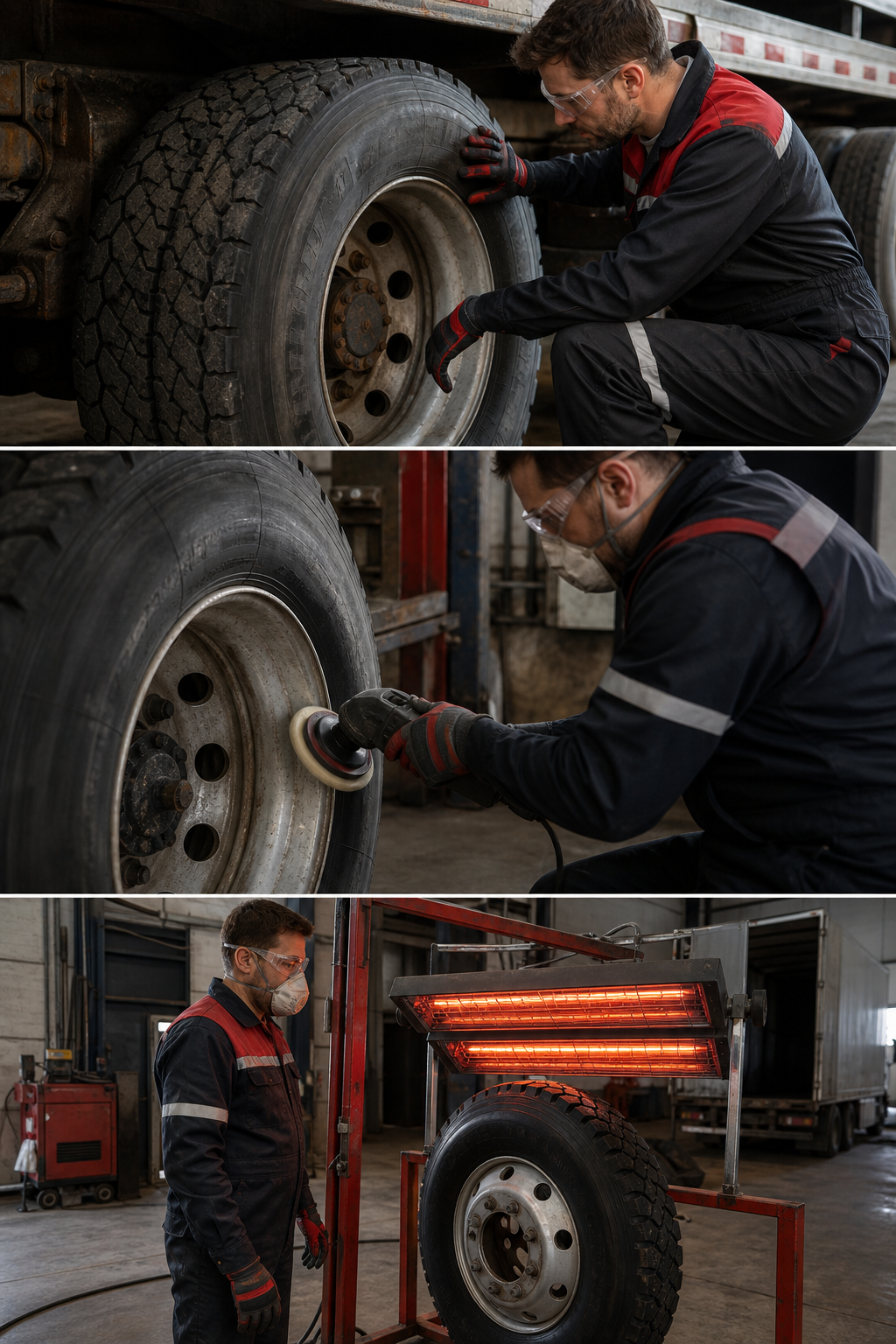
Modern retreading follows a strict 10‑step cycle that blends human skill with laser‑guided testing. Here’s the flow most large retreaders use:
Inspection: Technicians examine the casing inside and out, then run an electrical scan and laser shearography to spot hidden cracks.
Buff & Repair: The old tread is stripped, the tire is inflated to its true shape, and any damaged rubber is cut out or patched.
Cushion & Build: An uncured bonding layer (cushion) is sprayed onto the cleaned surface, followed by precise placement of the new tread.
Envelop & Cure: The tire is wrapped and placed in a curing chamber where heat and pressure lock the tread to the cushion.
Final Inspection: A second round of visual and non‑destructive testing ensures the retread meets all specifications.
Each step is logged, so a fleet can trace a tire’s history from original purchase through every retread cycle.
Pro Tip:Keep a digital log of each casing’s inspection dates. It makes warranty claims easier and helps you spot early signs of wear.
Advantages of Retreading Over New Tires
When you compare a retread to a brand‑new tire, the differences line up in three key areas: cost, performance, and environment.
Aspect | Retread | New Tire |
Purchase price | 30‑50 % of new | Full price |
Rolling resistance | Often lower thanks to modern compounds | Standard values |
Oil use to make | ≈7 gallons | ≈22 gallons |
Lifetime (multiple retreads) | Up to 500 % more mileage | One‑time use |
Michelin’s research shows that a well‑made retread can match the grip and durability of a premium new tire while delivering up to 30 % lower cost per mile (Michelin). The fuel‑saving benefit comes from lower rolling resistance, which trims fuel use on long hauls.
One caveat: a retread only works if the original casing is still structurally sound. That’s why a thorough inspection is non‑negotiable.
Common Misconceptions About Retreaded Tires
Myths keep some fleets from trying retreads. Let’s clear them up with facts.
Myth 1: Retreads are less safe. Reality: Safety data show that under‑inflated or worn tires cause most tire‑related accidents, regardless of whether the tire is new or retreaded. Properly maintained retreads meet the same DOT standards as new tires.
Myth 2: Retreads can’t handle high speeds. Reality: Retreaded truck tires carry the same speed ratings as their new counterparts. The sidewall code on the tire tells you the approved speed range.
Myth 3: Retreads are just cheap, low‑quality rubber. Reality: Modern retread compounds use advanced polymers that often outperform older low‑cost imports. Some retread products rank among the top for low rolling resistance in testing.
When you pair a solid inspection program with a reputable retreader, the safety record matches that of new tires.
Environmental Impact and Sustainability
Retreading is one of the greenest moves a fleet can make. A single retread uses about one‑third the energy of a new tire and saves roughly 15 gallons of oil. Multiply that by a fleet of 100 trucks, and the oil savings become substantial each year.
The EPA notes that every retreaded tire keeps three‑quarters of a ton of rubber out of the landfill. Over a decade, that adds up to millions of tires that never become waste.
Beyond waste reduction, lower rolling resistance cuts CO₂ emissions by up to 30 % per tire. For fleets with sustainability goals, retreading delivers measurable carbon‑footprint improvements.
Key Takeaway:Each retreaded truck tire saves enough energy to power an average U.S. home for about a month.
Choosing Retreading for Your Commercial Fleet
Deciding whether to go retread starts with a look at total cost of ownership. The purchase price is just one slice; you also need to consider fuel impact, downtime for inspections, and the potential mileage you can squeeze out of a casing.
Our experience shows that fleets that track casing health and schedule retreads at the right interval see a 20‑30 % reduction in cost per mile. The key metrics to watch are tread depth, sidewall condition, and any signs of heat damage.
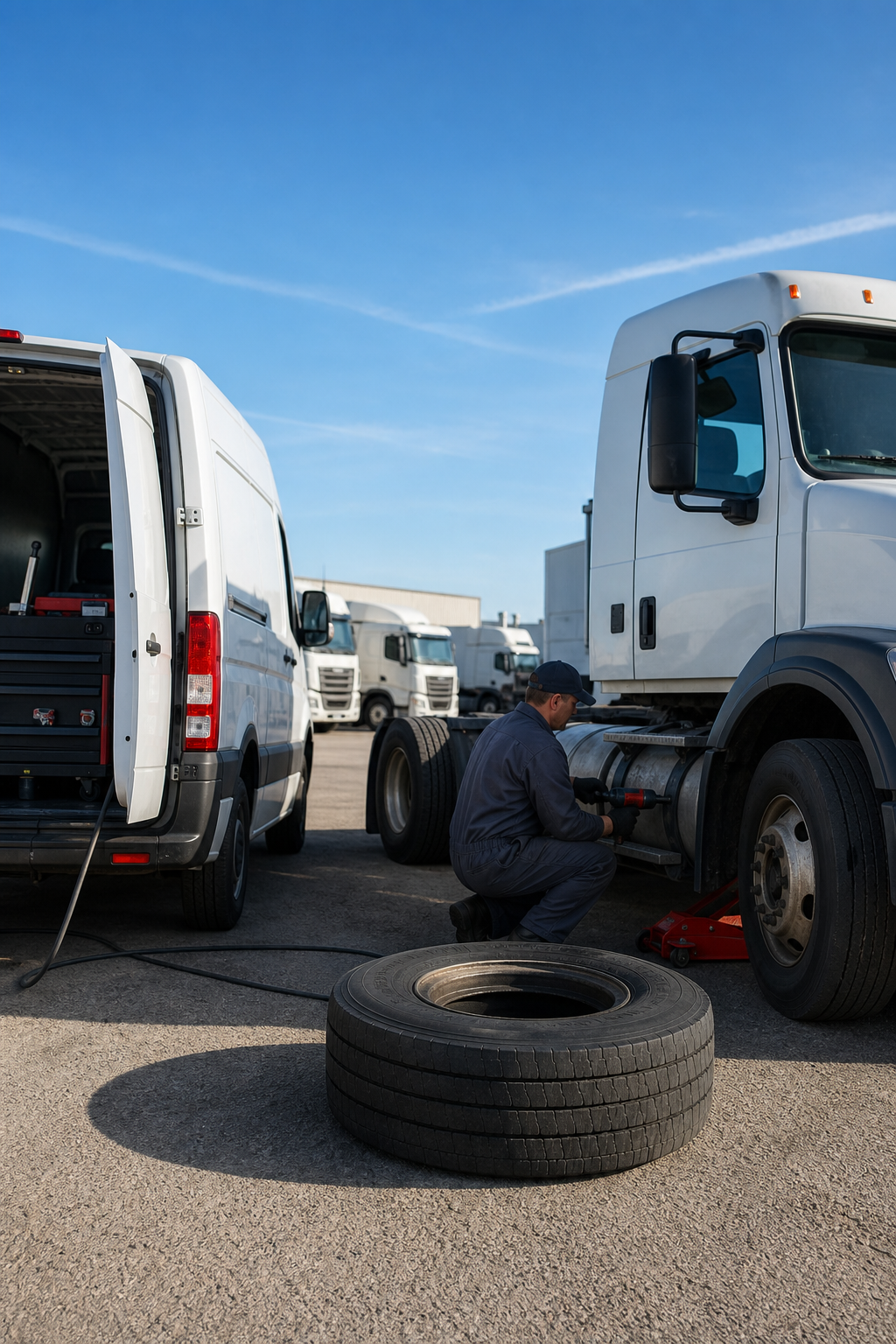
When you work with a partner that offers on‑site inspection and mobile replacement, you cut downtime dramatically. The Tire Specialist provides mobile retread services across Dallas‑Fort Worth, so your trucks stay on the road while we handle the tire work.
Ask your retread supplier these questions:
Answering them helps you fit retreading into a broader tire‑management program that tracks performance from day one to the final retread.
FAQ
What is the main cost benefit of retreading?
Retreading saves 30‑50 % of the purchase price of a new tire, and a single casing can be retreaded two to three times, stretching its service life up to five times longer.
Are retreaded tires as safe as new tires?
Yes , when the casing passes a thorough inspection, a retread meets the same DOT safety standards as a brand‑new tire.
How many times can a truck tire be retreaded?
Most high‑quality casings handle two to three retread cycles before the structural material wears out.
Do retreaded tires affect fuel efficiency?
Retreads often have lower rolling resistance, which can improve fuel economy by a few percent on long hauls.
What environmental impact does retreading have?
Each retread reduces oil use by about 15 gallons and cuts the energy needed to make a new tire by roughly 68 %, keeping thousands of tires out of landfills each year.
Conclusion
Retreading gives fleets a proven path to lower costs, keep trucks rolling, and shrink their carbon footprint. If you want to see the numbers for your own operation, on building a tire‑maintenance program and schedule a free consultation with The Tire Specialist to explore a retread solution that fits your fleet.
How many retread cycles does the casing support?
What warranty covers the new tread?
Do you provide a digital log of each tire’s history?


Comments