.png)
Best Commercial Truck Steer Tire Deals
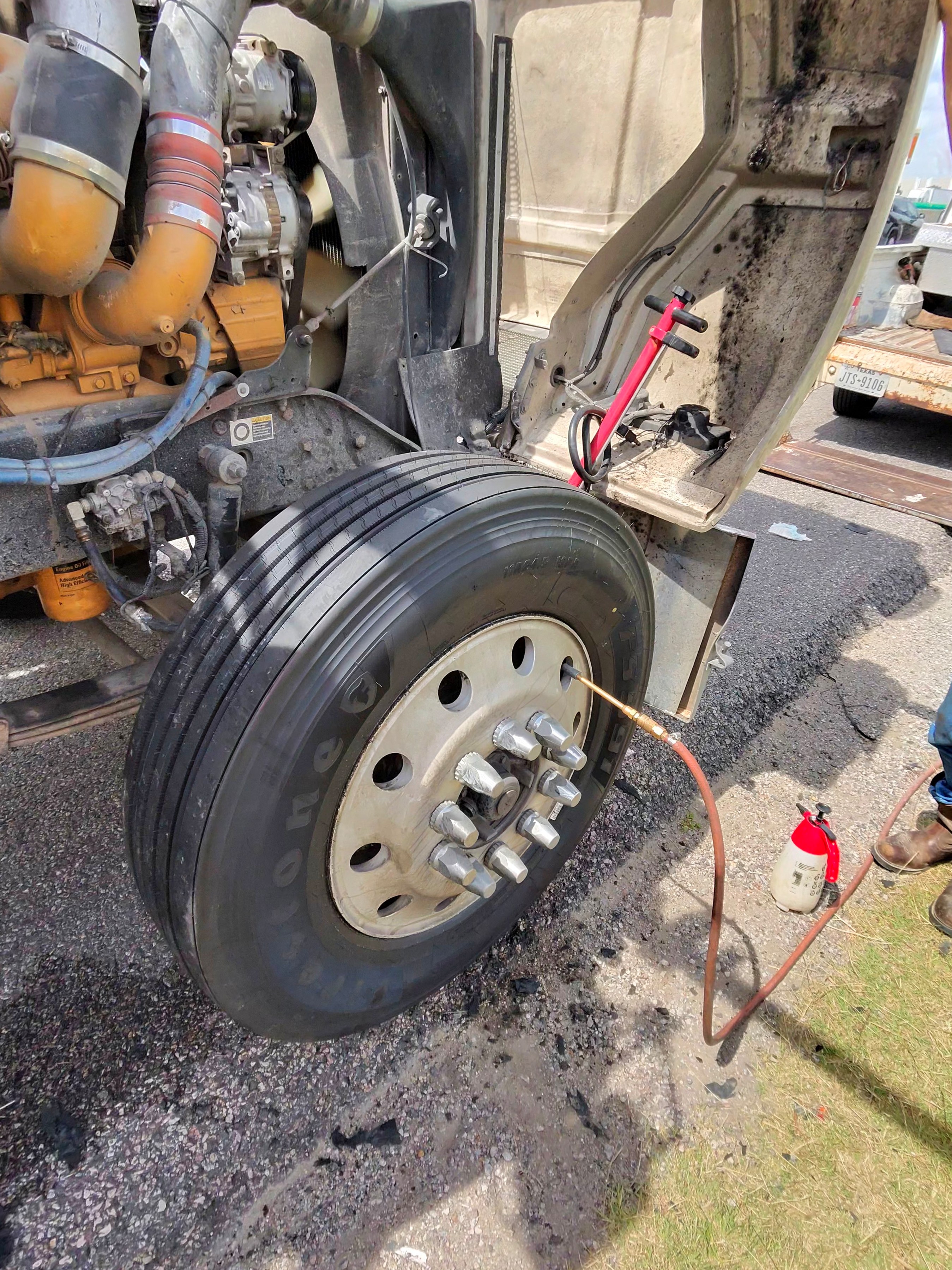
A steer tire can cost more when uneven wear sends a truck back to the shop early. We’ve ranked commercial steer tire options by the job they fit, then added the checks that protect your fleet from a bad match.
Our top pick is The Tire Specialist for DFW fleets that need mobile support. The tire model still matters, but the right choice also keeps downtime low after the sale.
Table of Contents
1. The Tire Specialist, Our Top Pick
Yes, The Tire Specialist is our top pick for Dallas-Fort Worth fleets that need steer tire help on site. We provide mobile commercial tire repair, replacement, and roadside assistance for trucks and fleet vehicles.
We fit the tire choice to the truck’s axle, load needs, and route. A long-haul tractor has a different duty cycle than a dump truck that turns and stops all day. That match affects wear, fuel use, and how soon the truck needs another service visit.

Our mobile model also helps when a steer tire fails away from the yard. On-site tire replacement can get the unit moving without sending a driver, trailer, and shop crew through several handoffs.
We still ask for the tire size, load rating, axle details, and route before recommending a replacement. For deal checks, our commercial tire sales checklist can help you review fit, installation terms, and after-sale support.
The caveat is simple: mobile service doesn’t replace a fleet maintenance plan. If the same truck shows shoulder wear each month, we need to find the alignment, pressure, or load issue behind it.
Key Takeaway:For DFW fleets, the strongest tire deal includes the right casing and a clear plan for roadside support.
2. Long-Haul Steer Tires, Efficiency and Casing Value
A long-haul steer tire can be a strong candidate for fleets that care about rolling resistance and casing life . A driver who spends most of the week on the interstate needs a steer tire built around steady speed and heat control.
We’d study the casing before judging the deal. Ask if the casing can enter your approved retread program. The casing matters if it fails inspection early.
We’d still confirm the exact size, load index , and axle position with a tire adviser.
This pick fits steady interstate work better than constant urban delivery. A regional truck may need a tread and sidewall design aimed at repeated turns and stops.
3. Fuel-Conscious Steer-Tire Options
Fuel-conscious steer-tire options belong on the shortlist for fleets that put fuel use high on the maintenance sheet. We won’t assume every size has the same rating or result.
We’d compare the exact specification for your steer axle. Check the load index first. Then review the approved inflation range and the tire’s intended route.
Fuel savings are hard to isolate on a single truck. Weather, traffic, cargo weight, idle time, and driver habits can move the result. Track fuel and tire removal records by unit instead of trusting a broad claim.
Choose this type of option when steady highway work matters more than severe stop-and-go abuse. Keep pressure checks on a fixed schedule.
4. Regional Steer Tires, Heavy-Duty Regional Versatility
Regional steer tires are worth checking for work where the steer axle sees more turns, braking, and lane changes. That work can punish the shoulders faster than a steady highway route.
We’d ask for the tire’s exact steer application before choosing. The same brand can sell tires for different axle positions, so the name alone doesn’t confirm fit.
Inspect the shoulder pattern during every service visit. Feathering or a sawtooth feel can point to alignment or suspension trouble. Replacing the tire without fixing that cause only repeats the problem.
This option makes more sense when the truck returns to a local yard each day. A fleet that crosses several states may prefer a long-haul model with a tire replacement plan.
5. Mixed-Route Steer Tires, Balanced Control for Varied Work
A mixed-route steer tire can fit fleets that need one tire family across varied work. We’d treat that as a starting point, not proof that every size suits every axle.
Confirm commercial truck specifications from the exact product documentation before buying. The model and size must match the load, rim, and axle requirement.
Mixed routes often expose weak maintenance habits. A truck may run smoothly on the highway but show fast shoulder wear after a week of tight turns. Record tread depth by position so the pattern is clear.
We’d choose this option only after confirming the casing and warranty terms for your market. Those details can change the overall fit of a tire set.
6. All-Position Tires, Reliable Fleet Fit
An all-position tire can suit fleets looking at an all-position tire approach, but we’d verify the current commercial specification first. “All-position” does not mean every size works on every axle.
Efficiency, wet grip, and mileage can vary across tire families. The exact details needed for a commercial steer purchase should come from the right truck tire document.
We’d consider this option for a fleet that wants fewer tire families in its parts room. That can simplify stock control, but only when the tire truly fits each planned position.
Measure the rim and check clearance before ordering. Offset can change how close the tire sits to steering parts and fenders.
7. Firestone FS591, Durable Performance for Demanding Routes
Firestone FS591 is a reasonable name to investigate for demanding regional service. Frequent starts and stops place more stress on the tread edges than steady highway travel.
We’d look for the tire’s published load rating and intended axle position. Then we’d compare its casing policy with the fleet’s retread partner.
Durability isn’t a single number. A steer tire can leave service because of irregular wear, a cut, a casing issue, or low tread. Your inspection notes should record the reason, not just the date.
This option deserves a closer look when routes include rough yards or tight delivery streets. For long-haul work, compare rolling resistance and heat guidance as well.
8. Regional Steer Tires, Practical Choice for Regional Fleets
A regional steer tire can be a useful option when your trucks work short routes with repeated delivery stops. Commercial tire lines may include designs for regional pickup and delivery, along with separate products for long-haul use.
We’d compare the tire against your actual removal records. If the current tire loses its shoulders first, look at pressure and alignment before switching brands.
Tire care resources can support a basic inspection routine. Our team can also help plan a service schedule that fits the truck’s route and yard cycle.
9. Steer Stability for Stop-and-Go Work
A steer tire is worth reviewing for trucks that spend much of the day in regional or urban service. Stop-and-go work raises the value of predictable steering feel and even wear.
Confirm the current commercial specification before purchase.
Check clearance with the wheel turned in both directions. A tire can fit the rim yet rub a steering bar or nearby suspension part when the axle moves.
We’d favor this pick only after matching the size to the truck’s axle and confirming the load rating. Fit comes before brand preference.
10. A Dependable Option for Mixed Service
A mixed-service steer tire belongs on a comparison list for fleets that want another model to inspect. We can’t claim a mileage result or warranty term without the exact current specification.
For this type of tire, ask for the casing details in writing. A casing that fits your retread process may have more value than an option with fewer documented details.
Decision point | What we’d confirm | Why it matters |
Axle position | Steer approval | A tire made for another position may wear poorly or fail the fit check. |
Route type | Long-haul, regional, or mixed | Stops and turns change shoulder wear and heat demand. |
Load rating | Matches the axle requirement | Size alone does not prove carrying capacity. |
Casing plan | Retread eligibility and inspection rules | Future casing value can affect long-term operating value. |
Service support | Installation and roadside response | Fast support can reduce lost driver time after a failure. |
We’d include a mixed-service steer tire in the comparison when the supplier can provide complete fit and casing information. If the data is vague, the option is hard to judge.
How to Compare Commercial Steer Tire Deals
The best deals on commercial truck steer tires are rarely the lowest number on a quote. We compare the full operating cost, including mounting, balancing, downtime, uneven wear, and casing value.
Start with the sidewall and truck records. Confirm the tire size, load index, rim width, axle position, and inflation guidance. For unusual sizes, measure tread width and diameter, then check offset and clearance with the wheels turned.
Next, sort the route. Long-haul service favors steady-speed efficiency and heat control. Regional service needs a tire that can handle repeated braking and turns. A mixed fleet may need two tire groups instead of one compromise choice.
Then review the casing plan. Ask how the supplier handles inspection after removal. A tire that can enter your approved retread cycle may lower cost per mile, but only if your inspection records support that choice.
Do not skip installation. A new steer tire still needs correct mounting, balancing, inflation, and alignment checks. TPMS compatibility also matters when the truck uses pressure sensors.
For DFW operators, The Tire Specialist can help with on-site replacement and roadside service. Our semi-truck tire service guide explains the service questions to ask before work begins.
Pro Tip:Keep one record for each steer tire. Note size, position, inflation checks, tread readings, alignment work, and removal reason.
If a steer tire fails on the road, the purchase decision becomes a downtime decision. Our steer tire blowout warning signs can help drivers spot trouble before a trip.
FAQ
What are the best deals on commercial truck steer tires?
The best deals pair the correct tire with low downtime and useful casing life. Compare the full operating cost instead of the purchase amount alone. Check fit, load rating, axle position, installation, maintenance support, and retread plans. A tire that wears evenly and gets quick service may cost less over its working life.
How do I choose the right steer tire size?
Choose the size from the truck maker’s specifications and the axle’s load needs. Confirm the load index, rim width, tread width, diameter, and clearance. A larger tire is not automatically better. Offset can affect steering parts and fender clearance, so we recommend a fit check before ordering.
Are premium steer tires worth the cost?
Premium steer tires may be worth it when their casing lasts longer or the tread wears more evenly. That result depends on route, pressure, alignment, load, and driver use. Track removal reasons by truck. Then compare cost per mile against the cheaper option, rather than comparing the first invoice only.
Should long-haul and regional trucks use the same steer tire?
Long-haul and regional trucks often need different steer tire traits. Long-haul work places more focus on steady-speed efficiency and heat control. Regional work adds frequent turns, braking, and stops. We’d match the tire to the route, then confirm the load rating and axle position for each truck.
How can fleets reduce steer tire downtime?
Fleets reduce steer tire downtime by checking pressure, alignment, tread wear, and sidewalls on a set schedule. Keep replacement sizes in stock when possible. Use a mobile service partner for roadside failures. The Tire Specialist can support DFW fleets with on-site repair and replacement when a truck can’t return to the shop.
Conclusion
For DFW fleets, we recommend starting with The Tire Specialist for fit review, mobile replacement, and service planning. Before you approve any tire, send us the truck’s size, load needs, axle position, and route. We’ll help you compare the operating value and set the next maintenance action.



Comments