
Best Tire Pressure Monitoring System for Truck Fleets
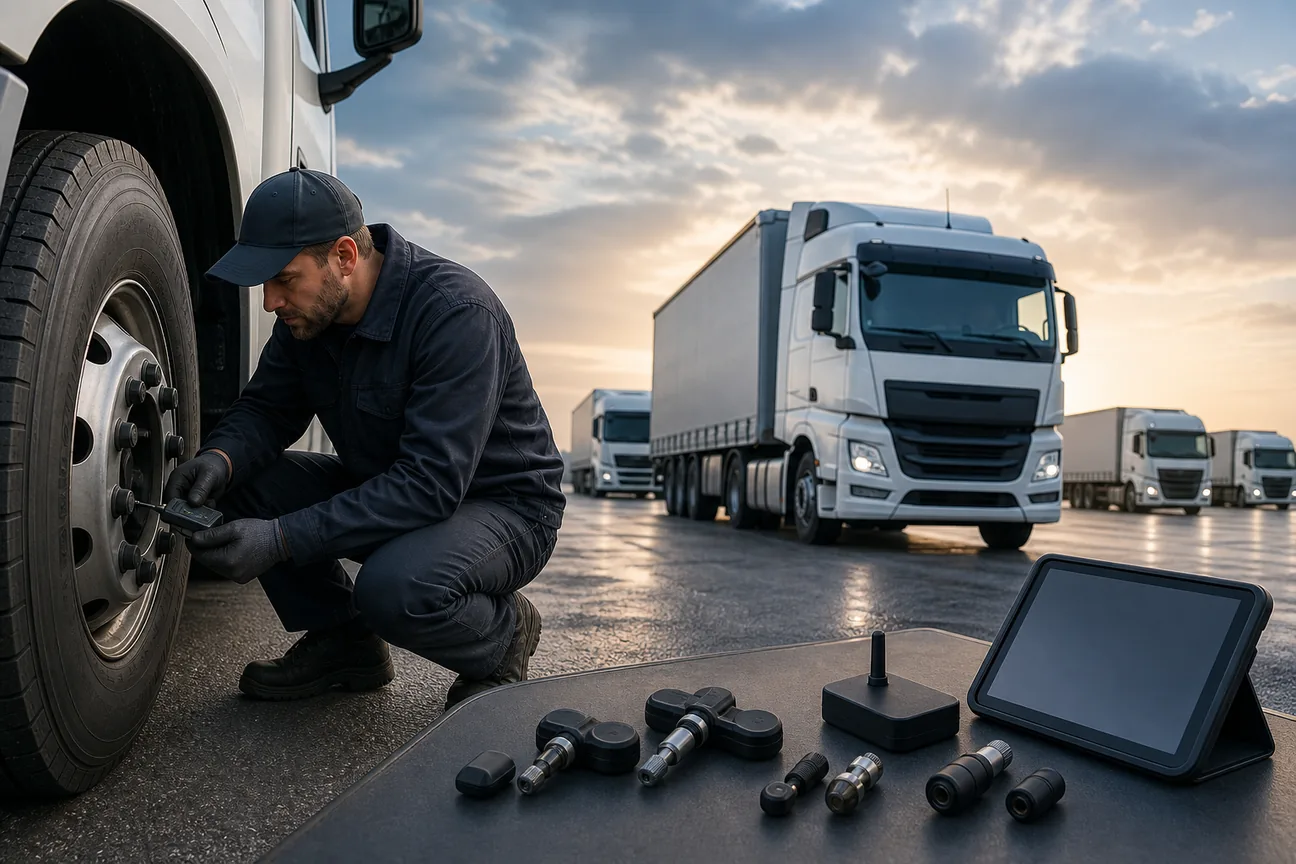
Truck fleets lose money every hour a tire is under‑inflated. Real‑time monitoring can cut downtime and keep fuel costs low. Below is a short list of the best tire pressure monitoring system options for truck fleets, plus a quick comparison to help you decide.
Table of Contents
1. The Tire Specialist
The Tire Specialist is a Dallas‑Fort Worth mobile service that brings tire repair, replacement and roadside help straight to your trucks. It’s built for fleets that need on‑site service fast.
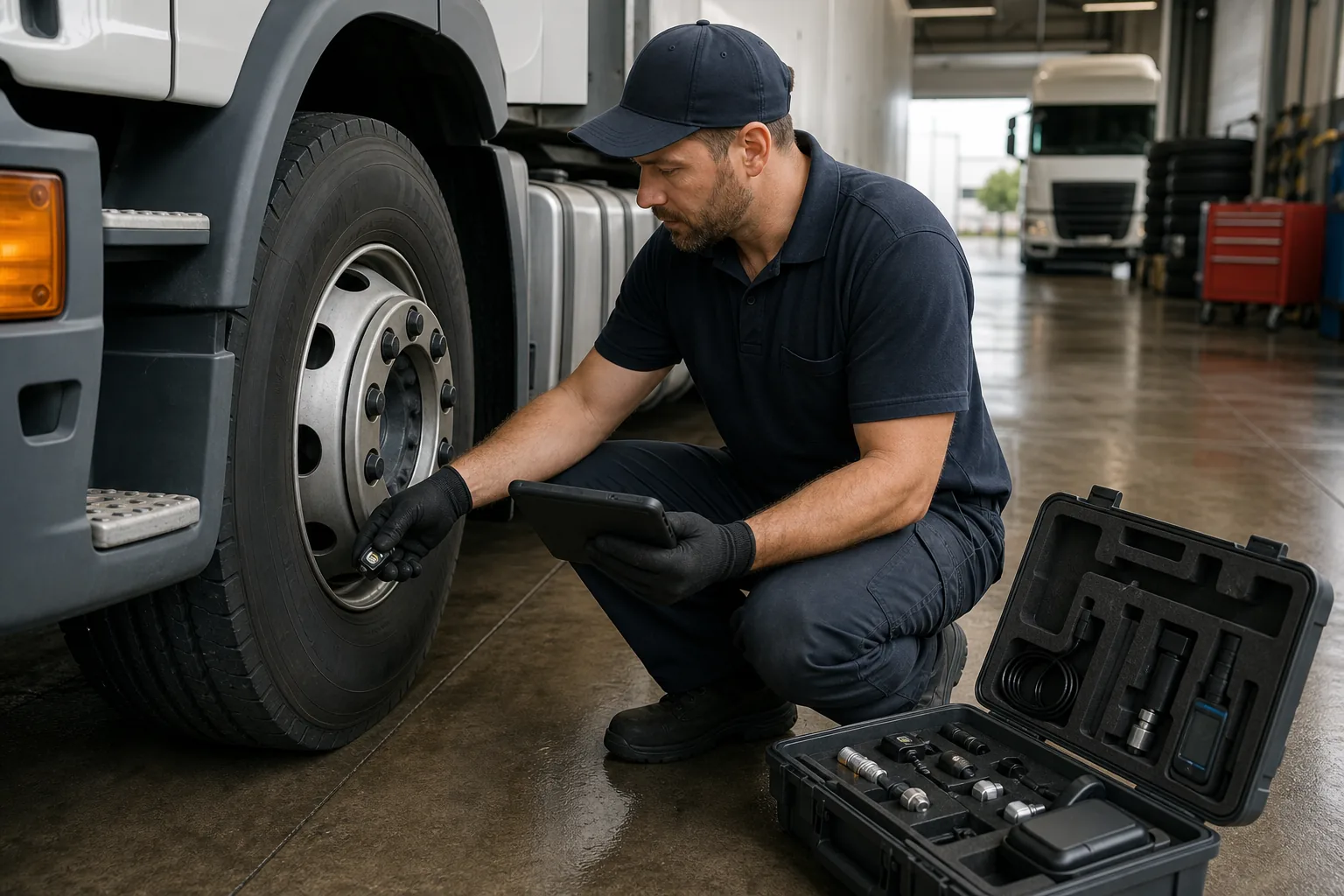
Fleet managers love it because the team can handle any size commercial tire without a shop visit. They also offer a 24/7 hotline, so a flat never stalls a delivery.
Because the service is mobile, you avoid the hours lost waiting at a garage. The technicians arrive with the right tire, the right tools, and a digital pressure check that meets DOT standards.
One downside: you pay per service call, so very high‑volume fleets may need a custom contract to keep costs steady.
Key Takeaway:Mobile on‑site service saves time and keeps trucks moving, but watch per‑call fees.
Truck tire pressure guide for drivers
2. Autel MaxiTPMS ITS600 CV — Broad vehicle coverage and in‑depth diagnostics
Autel’s MaxiTPMS ITS600 CV is a tablet‑based system that works on light, medium and heavy‑duty trucks. It reads direct‑type sensors, giving you exact pressure numbers for each wheel.
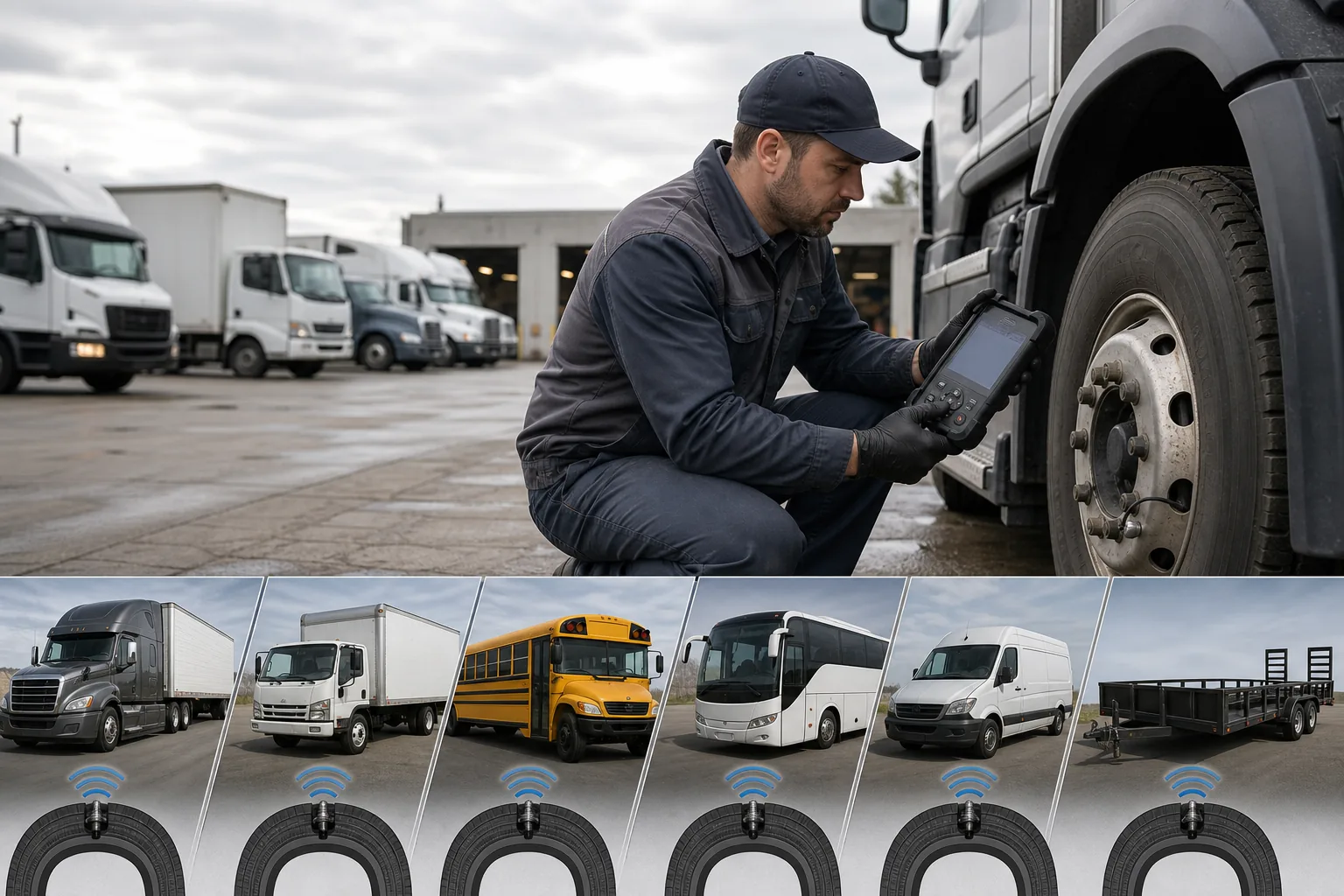
The Android tablet lets you run a full diagnostic scan, view tire history and export reports for fleet software. That data helps you spot trends before a tire blows.
The system uses direct‑type sensors to provide pressure readings for each wheel.
What it lacks is built‑in real‑time alerts. You have to pull the tablet to see warnings, so most fleets pair it with a telematics platform.
Pro Tip:Export the CSV report after each service and feed it into your fleet‑management software for automated alerts.
fleet tire management plan
For background, see this TPMS overview.
3. Direct-sensor TPMS tools — Best for fleets that need broad vehicle coverage
Direct-sensor TPMS tools can support light, medium and heavy-duty vehicles. An Android-based tablet can provide comprehensive TPMS service capabilities.
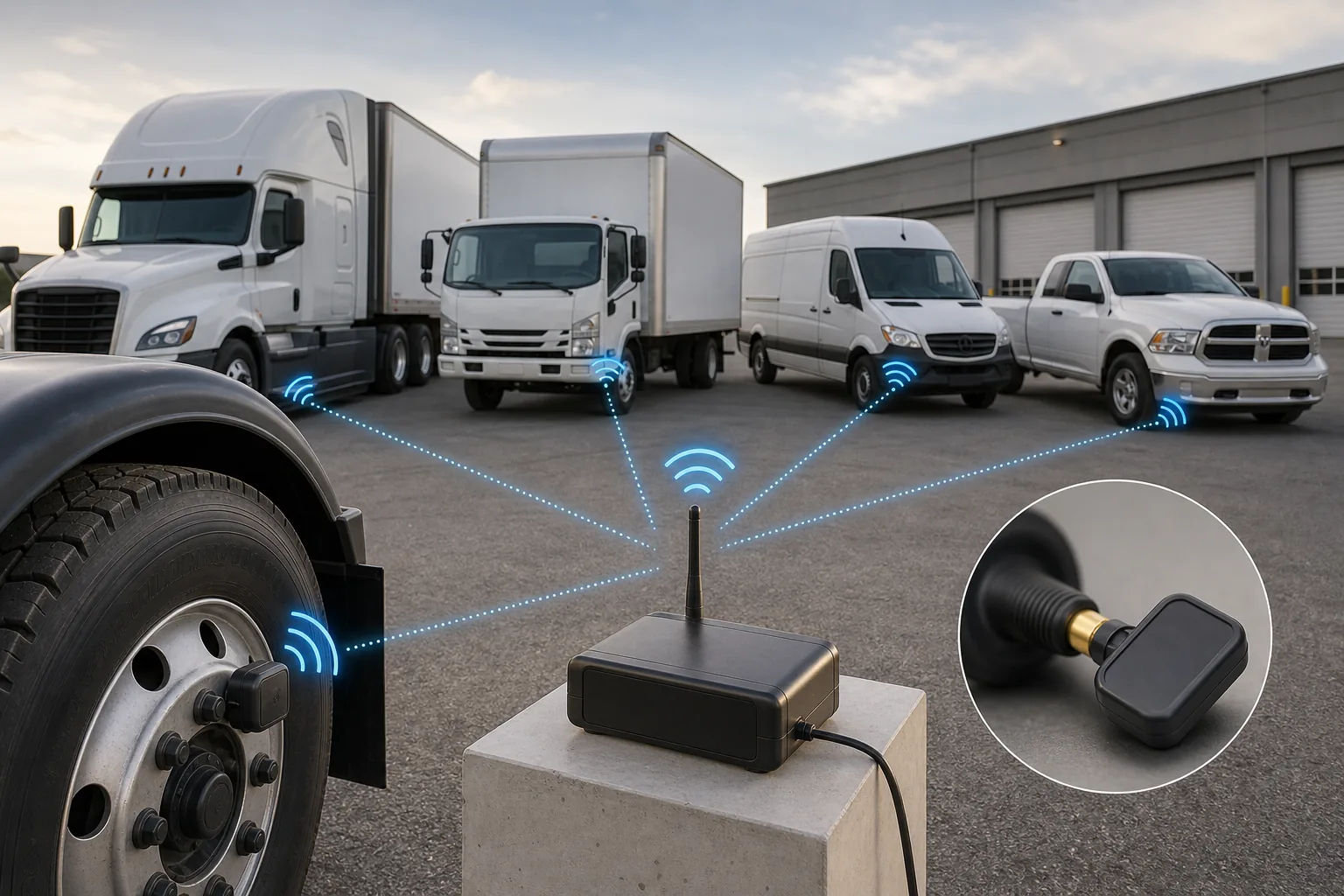
This type of system is useful for fleets that want direct pressure readings across different vehicle sizes. It can also help service teams check and manage TPMS sensors as part of regular maintenance.
The main advantage is having one service tool for a varied fleet. A caveat is that the system still requires staff to perform inspections and respond to alerts.
Proper tire pressure supports safer operation and fuel efficiency, making regular TPMS checks an important part of fleet maintenance (tire-safety guidance).
How the Shortlisted Options Compare for Truck Fleets
All three choices use direct‑type sensors, but they differ in integration, service model and on‑site capability.
Notice that none of the products include native real‑time alerts. That gap means most fleets will add a telematics overlay or choose a managed service partner for live monitoring.
For a hands‑on look at how a TPMS dashboard works, watch the video above. It walks through reading pressure values, spotting a low‑pressure warning and exporting the data.
truck tire inspection checklist
Frequently Asked Questions
What is the best tire pressure monitoring system for truck fleets?
The best system depends on your fleet size and how you want alerts. If you need mobile repair and on‑site service, The Tire Specialist leads. For detailed diagnostics on a tablet, Autel’s ITS600 CV is strong. Additional support may be available through a service provider.
Do TPMS sensors need to be replaced often?
Direct‑type sensors typically last 5‑7 years, but battery life can vary by brand. A service provider may handle swaps, while The Tire Specialist can replace them on the road.
Can TPMS data integrate with existing fleet telematics?
Integration is possible but not built into the devices we listed. You’ll need a third‑party platform or service provider that offers an API.
How is mobile TPMS service handled?
Service models vary by provider and fleet needs. The Tire Specialist can replace sensors on the road.
Is real‑time pressure alerting required by law?
Check the applicable requirements for your fleet and vehicle type.
Conclusion
For most fleets, The Tire Specialist gives the fastest on‑site fix and keeps trucks moving, making it our recommendation. If you want deeper diagnostics, add Autel’s ITS600 CV, and consider an additional service option.
Ready to upgrade? Contact us to schedule an on‑site assessment and see which option fits your routes best.
Feature | The Tire Specialist | Autel MaxiTPMS ITS600 CV | Service providers |
Mobile on‑site service | Yes – full repair and replacement | No – device is fixed in‑shop | Varies by provider |
Real‑time alerts | No – reports after service | No – tablet only | Varies by provider |
Fleet‑software integration | Limited – manual data upload | Export CSV, manual import | Varies by provider |
Installation method | On‑site by technician | Fabric‑band sensor kit | Varies by provider |
Best vehicle range | All commercial trucks | Light to heavy‑duty | Varies by provider |


Comments