
Best Semi Truck Tire Pressure to Stop Vibration
A shaking rig can come from tire pressure, but pressure isn't always the whole story. The right setting depends on axle load, tire size, tire rating, temperature, and the manufacturer's data. We'll show you how to set pressure safely, check it before a haul, and find other causes when the vibration stays.
Table of Contents
Step 1: Set Pressure From the Load and Tire Sidewall
Yes, tire pressure is the first place to look when you want the best tire pressure for semi trucks to eliminate vibration. But there is no single PSI that fits every tractor and trailer.
Start with the tire sidewall and the vehicle or axle information supplied by the tire maker and truck maker. The sidewall shows the maximum cold inflation pressure and the load the tire can carry at that pressure. It does not always tell you the best setting for every axle position.
Next, identify the actual load on each axle group. A lightly loaded tractor may need a different setting than a fully loaded combination. Never lower pressure just to soften the ride if that setting leaves the tire below the load requirement.
Many commercial truck setups run near the 100 to 120 PSI range, but treat that only as a rough reference. Your tire model, load range, wheel size, and axle weight control the final number.
What you check | What it tells you | What to do |
Sidewall data | Maximum cold pressure and rated load | Stay within the tire maker's limits |
Axle load | How much weight each tire must carry | Match pressure to the load chart |
Tire position | Steer, drive, trailer, or dual setup | Use the correct chart for that position |
Tire condition | Uneven wear, damage, or a slow leak | Repair the cause before fine-tuning PSI |
Underinflation lets the sidewall flex more. That builds heat and can produce shoulder wear. Overinflation reduces the size of the contact patch and can make the ride harsh. Either condition can add shake when the tire has uneven wear or a damaged casing.
The truck tire pressure guide for drivers can help your team build the same check into each pre-trip routine.
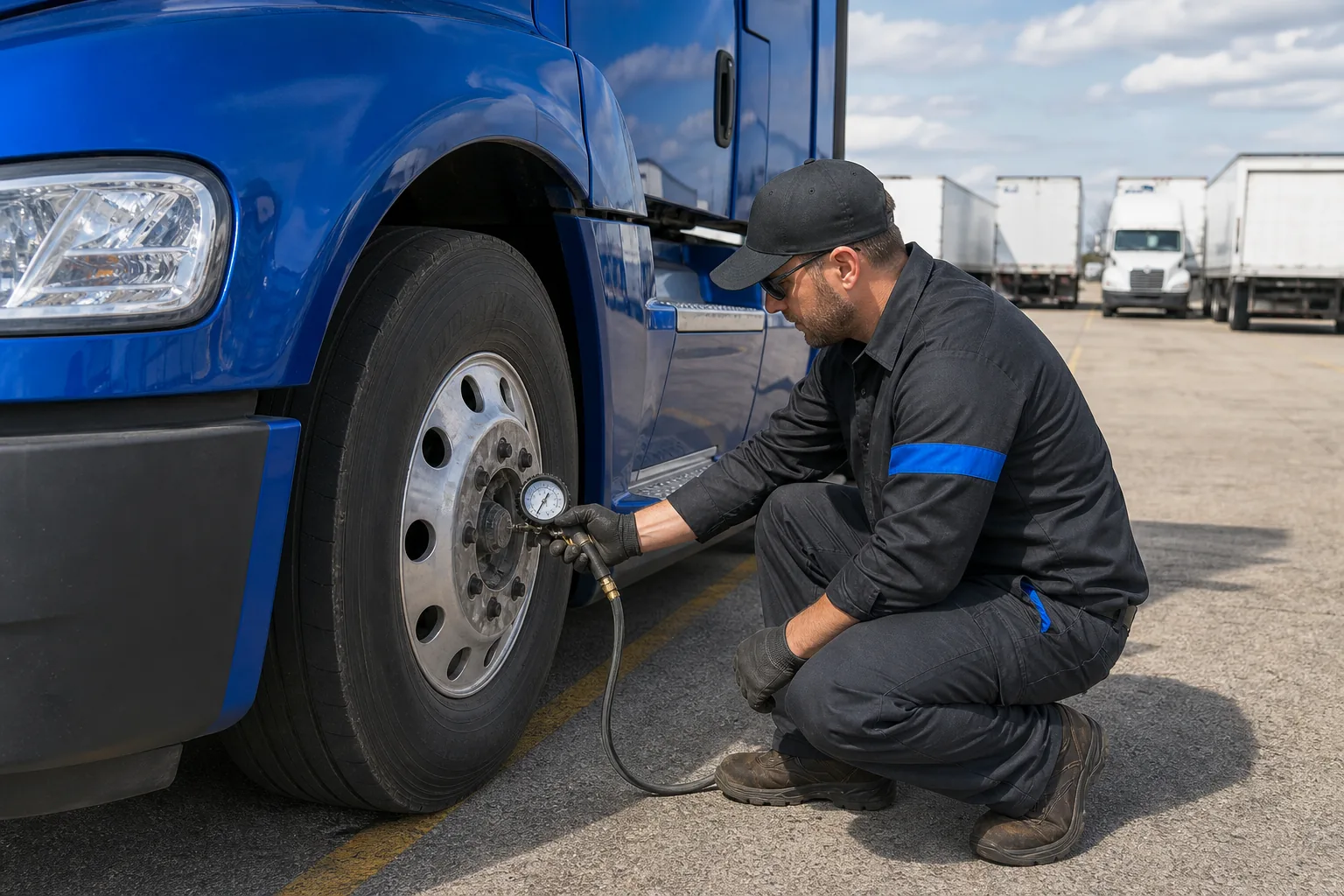
For a formal safety reference, review the tire safety guidance. If a tire cannot carry the axle load at the recommended pressure, pressure adjustment is not the fix. The tire or load must change.
Step 2: Check Cold Pressure Before a Haul
Yes, cold pressure gives us the cleanest reading for the best tire pressure for semi trucks to eliminate vibration. Check before driving, or after the truck has sat long enough for the tires to cool.
Park on level ground. Set the brakes and inspect each tire before measuring. Look for cuts, bulges, exposed cords, objects in the tread, missing valve caps, and signs of a leak.
Then check every tire with the same known-good gauge. Push the gauge straight onto the valve stem. A poor seal can release air and give you a false reading. Record the reading rather than trying to remember ten or more tires.
Check the steer tires first because a pressure problem can affect steering feel.
Check both tires in each dual pair.
Compare dual tires on the same side for a large pressure difference.
Check the trailer instead of assuming the tractor caused the shake.
Temperature changes can shift pressure enough to matter. A cold morning reading may look low after a sharp weather change. A hot tire reading will usually be higher after highway travel because the air inside has warmed.
Do not bleed air from a hot tire to reach the cold target. Let it cool, then measure again. Add air only when the tire is cold, unless a qualified technician gives you another safe instruction for an active roadside issue.
Check again after loading or unloading if the axle load changes. A long haul can also reveal a slow leak that was not clear at the start. If one tire keeps losing air, find the leak instead of adding air each morning.
For a fleet, put the target pressure beside the inspection record. That gives the next driver a clear handoff and helps a manager spot repeat losses before they become downtime.
The Tire Specialist can inspect commercial tires on site when a driver finds a leak or damaged casing before departure. That matters when moving the truck to a shop could add risk.
Step 3: Monitor Pressure With a Gauge and TPMS
Use both a hand gauge and a tire pressure monitoring system when possible. A gauge confirms the tire's pressure, while TPMS helps show a pressure change during the trip.
TPMS means tire pressure monitoring system. It may warn about a low tire or show a trend across the axle set. Treat the alert as a prompt to stop safely and inspect the tire. Do not use the system as permission to keep driving on a tire that feels damaged or unstable.
Compare tires by position, not only by the average reading. If one drive tire falls while its mate stays steady, look for a leak or valve problem. If both tires on one side change, check for heat, load shift, brake drag, or a wider axle issue.
Watch the timing of the vibration. A shake that begins at a certain road speed may point to balance or driveline trouble. A pull that starts after coupling a trailer may point toward trailer alignment, suspension, or tire wear.
Keep a simple log with the date, cold PSI, outside temperature, load status, warning time, and tire position. That record can show whether the problem follows one tire, one axle, or one trailer.
Pressure monitoring also supports fuel control. A tire that runs below its proper setting has more flex and rolling resistance. It can waste fuel while the driver feels only a mild pull or vibration. Our guide to proper tire pressure management for truck fuel efficiency explains how to make that check part of a fleet process.
We recommend setting the alert points with the tire maker's guidance and the truck maker's instructions. The alarm should prompt action, not replace a walk-around.
Tire pressure is the force of air inside the tire against its inner wall. That simple idea explains why load and temperature change the reading.
Step 4: Troubleshoot Vibration Beyond Tire Pressure
If pressure is correct but the semi still shakes, stop chasing PSI. Check the vibration source in a set order.
First, separate tractor and trailer symptoms
Drive the tractor without the trailer only where it is legal and safe. If the tractor feels smooth alone but shakes when coupled, inspect the trailer first. Check its tires, shocks, suspension parts, wheel ends, and alignment.
A trailer that pulls to one side can make the driver hold the wheel against that force. That stress can produce irregular wear on the tractor tires and make a separate alignment problem worse.
Then check the wheel and axle group
Look for a tire with a bulge, flat spot, cupping, or a separated tread. A tire can have correct PSI and still create vibration when its tread or casing is damaged.
Check wheel balance next. Dual tires need matched pressure and compatible wear so the pair works together. A pressure difference can make one tire carry more of the load.
Super singles have one wide tire on each side. There is no second tire to compare, but each tire carries a large share of the axle load. Precise balance matters because one heavy spot can affect ride quality.
Finally, inspect the driveline
A bent or unbalanced driveshaft can cause a vibration that tire pressure will not fix. Worn U-joints and carrier bearings can let the shaft move and add shake through the cab or floor.
Note where you feel the vibration. Steering wheel shake often sends us toward the steer tires or front axle. A vibration through the seat or floor can point toward drive tires, the trailer, or the driveline. That clue is useful, but it is not a diagnosis.
Our Wheel Alignment for Trucks: Complete Explainer covers the checks that help separate tire wear from alignment trouble.
Do not keep driving a rig that shakes violently, pulls hard, smells hot, or shows visible tire damage. Park in a safe place and arrange qualified inspection.
Step 5: Fine-Tune the Setup for Smooth, Safe Operation
Once the pressure, tire condition, balance, and alignment check out, use your records to fine-tune the setup. The goal is a stable tire footprint that carries the load without excess heat or wear.
Review the same tire position across several trips. If the steer tires show shoulder wear, check pressure, axle alignment, toe, and suspension parts. If the center wears faster, check for excess pressure or a tire that does not match the load plan.
Do not change pressure in small steps just to mask a vibration. Make one safe change at a time, then inspect the wear pattern and compare the ride under a similar load. A change in tire model can also change the way the truck feels.
Load range needs care too. The E or F letter does not alone tell you the correct pressure or the tire's exact load capacity. Read the complete tire data. A thicker tire may add weight without solving a balance problem, while the wrong tire for the axle can reduce available payload.
For duals, match the tire type, pressure, and wear as closely as the manufacturer allows. For super singles, pay close attention to rim fit, balance, and casing condition because one tire carries the full side load.
Build the findings into a fleet maintenance program. A driver can record pressure at dispatch. A manager can review repeat leaks. A technician can inspect alignment or balance when a pattern appears.
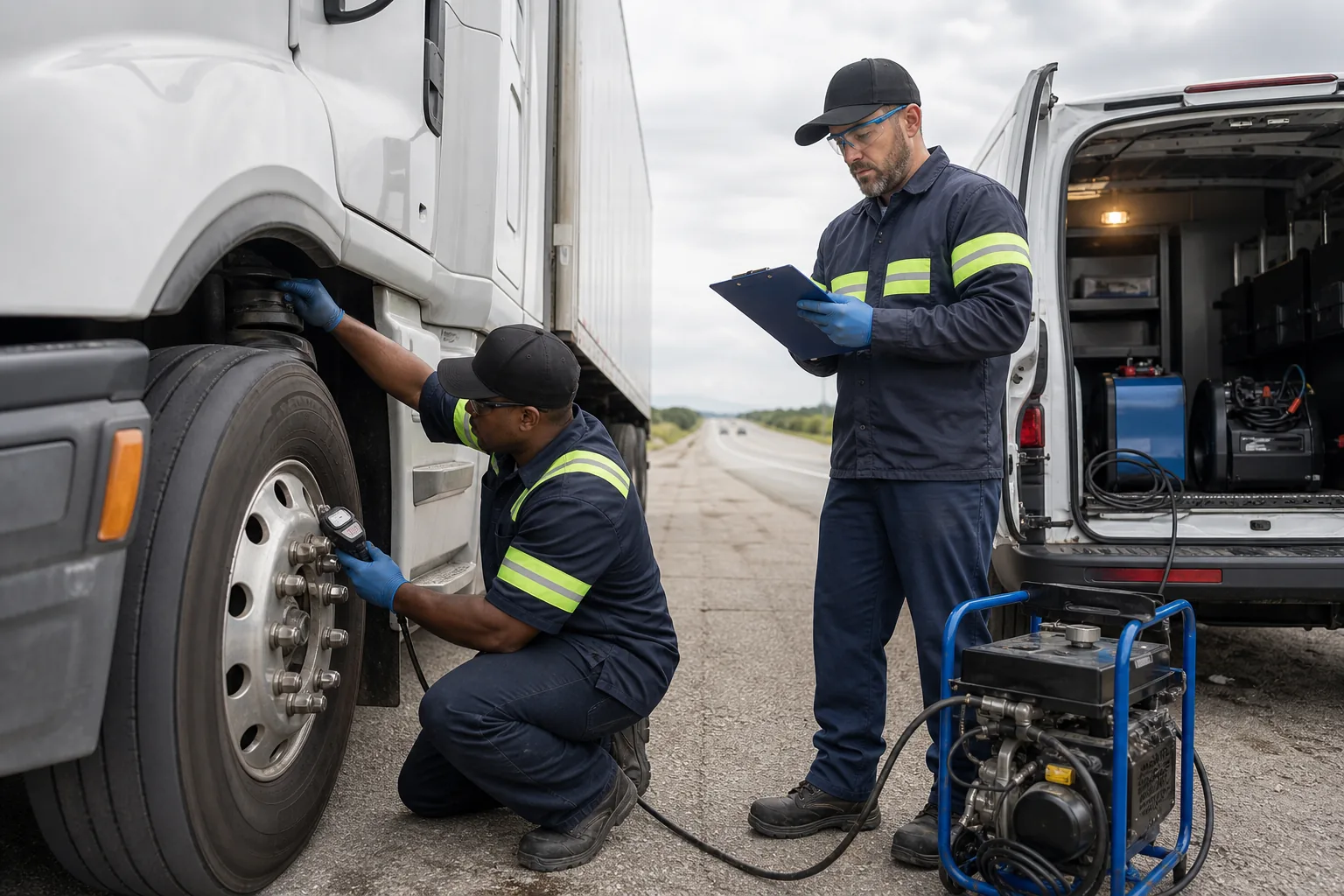
When a tire is unsafe or cannot hold pressure, The Tire Specialist provides mobile commercial tire service in the Dallas-Fort Worth area. We can assess the tire at the truck's location and handle on-site replacement when that is the right next step. Our Semi Truck Tire Replacement Dallas service is built for drivers and fleet teams facing roadside downtime.
Use this decision rule: correct pressure plus a smooth ride means keep monitoring. Correct pressure plus vibration means inspect balance, alignment, suspension, trailer condition, and driveline parts. Never use PSI as a shortcut around a damaged tire.
FAQ
What is the best tire pressure for semi trucks to eliminate vibration?
The best pressure is the cold PSI that matches the tire maker's load chart, the axle weight, and the tire position. Many commercial tires operate near 100 to 120 PSI, but that range is not a universal target. Check the sidewall and vehicle data first. If vibration remains at the correct setting, inspect balance, alignment, suspension, and the driveline.
Can low tire pressure cause a semi truck to shake?
Yes, low pressure can cause a semi truck to shake when the tire flexes, heats up, or develops uneven wear. It can also increase rolling resistance and stress the casing. Check the tire cold with a reliable gauge. If pressure keeps dropping, treat the issue as a leak or tire fault rather than adding air repeatedly.
Should I lower tire pressure to make my truck ride smoother?
No, don't lower pressure below the safe load requirement to soften the ride. Low pressure can increase heat and sidewall flex, while the wrong setting can worsen wear. Confirm the axle load and tire chart first. If the ride is harsh at the correct PSI, have the tires, shocks, balance, and alignment checked.
Why does my semi shake only when the trailer is attached?
A shake that appears only with the trailer can point to trailer tires, alignment, suspension, shocks, or a wheel-end problem. Start with a safe visual check and compare the tractor's behavior with the trailer attached. A trailer that pulls or sits unevenly needs inspection. Pressure may be correct while the trailer still causes the vibration.
How often should semi truck tire pressure be checked?
Check semi truck tire pressure before each haul when the tires are cold, then respond to any TPMS warning or handling change. Check again after major temperature swings, loading changes, or a long trip if a leak is suspected. Record the readings by tire position so your fleet can spot repeat pressure loss.
Conclusion
Set cold pressure from the load, tire data, and axle position, then confirm it with a gauge before chasing other causes. If the vibration continues, stop adjusting PSI and have the tires, trailer alignment, wheel balance, suspension, and driveline inspected. For a truck that needs help on site in Dallas-Fort Worth, contact The Tire Specialist through our website and arrange the next safe step.


Comments