
How to Handle 18 Wheeler Tire Repair Safely
Updated: Aug 25
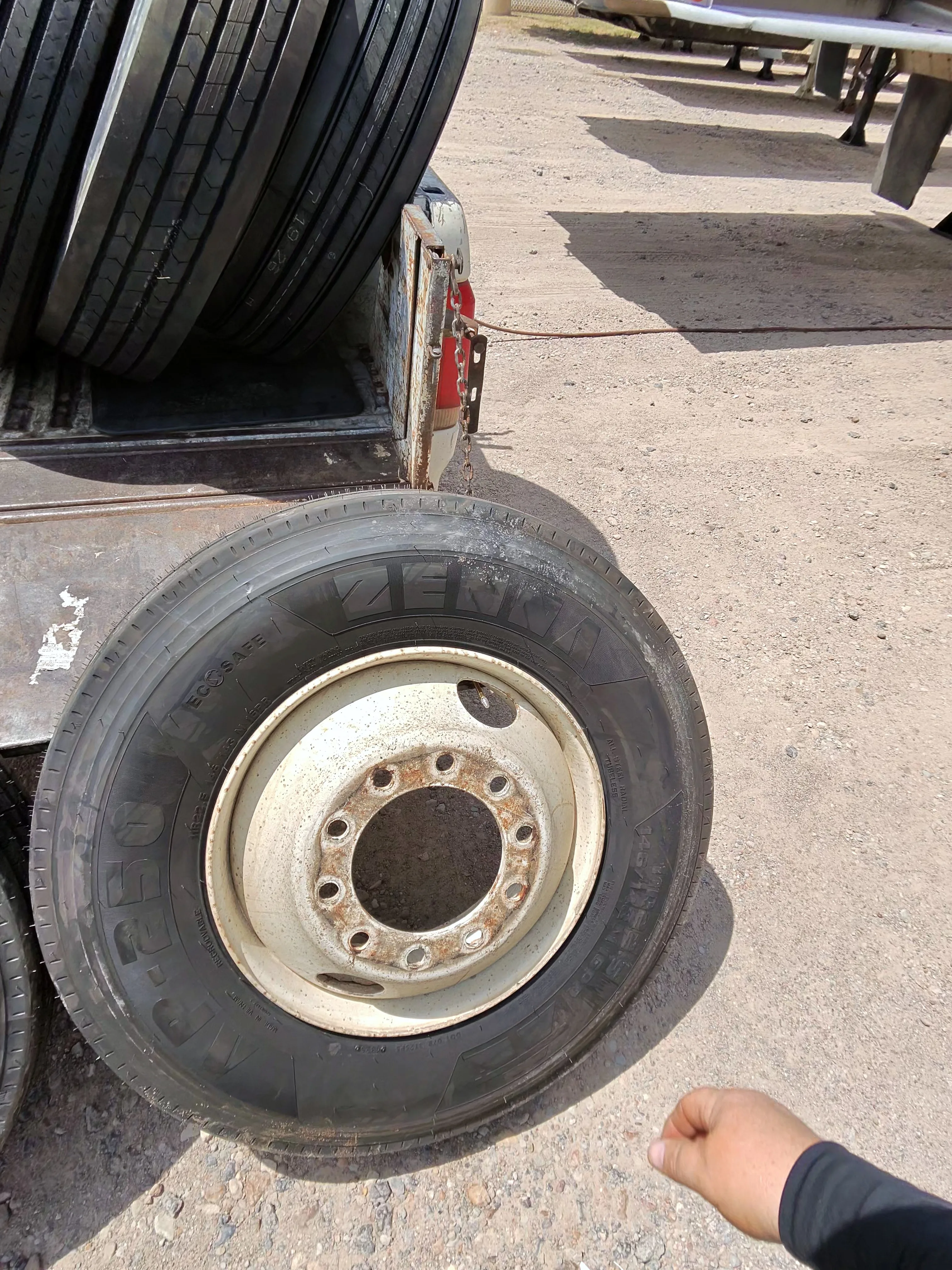
Flat on the highway? A blown‑out tire on a big rig can shut down a route in minutes. Follow these five steps to get the truck back moving safely and keep your fleet’s downtime low.
Table of Contents
Step 1: Make the Scene Safe Before Checking the Tire
First, pull the rig onto a wide shoulder, a parking lot, or any flat surface away from live traffic. Turn on the hazard lights, engage the parking brake, and set wheel chocks on the opposite side. If you’re on a busy highway, stay inside the cab and only exit behind a guardrail or solid barrier.
Walk around the truck and look for any obvious hazards, spilled cargo, loose equipment, or a damaged wheel that could shift when you get close. Keep a safe distance from the tire while you assess it; the sidewall can burst if it’s overheated.
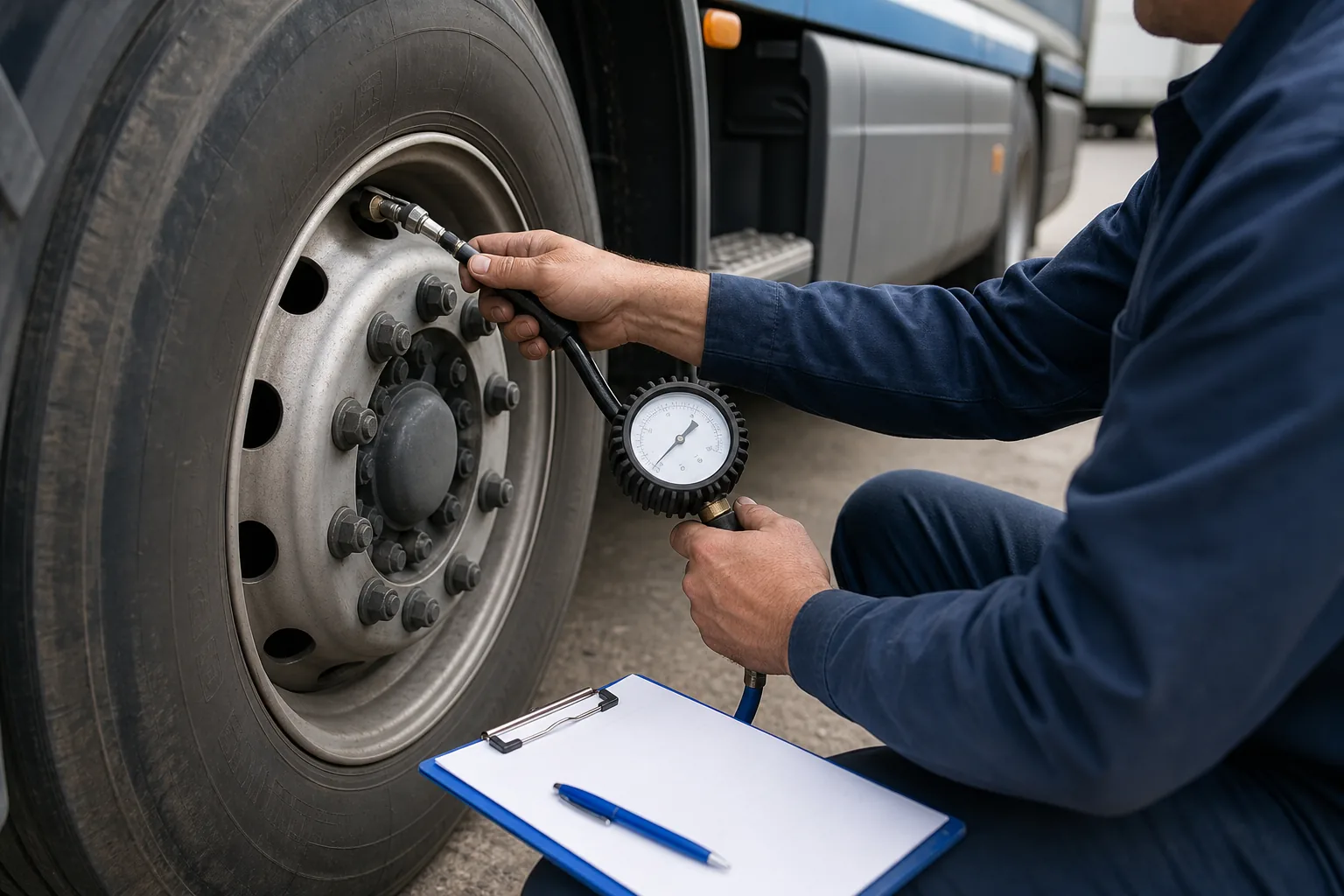
Once the area is secure, grab a basic tire gauge if you have one. A quick pressure reading gives you a clue whether the tire is completely flat or just low. Record the tire size from the sidewall (for example, 295/75R22.5) and note the axle position.
Emergency Tire Repair: A Safe Step‑by‑Step Guide walks you through the exact safety checklist we just used.
Pro Tip:If the weather is wet or windy, set up reflective triangles at least 100 ft behind the truck. They give oncoming drivers a clear visual cue and buy you extra minutes to work.

Step 2: Inspect the 18 Wheeler Tire and Identify the Damage
Get down low and shine a flashlight on the tire. Look for three things: a puncture in the tread, a sidewall bulge, or visible cuts and cracks. Small nail holes in the tread are usually repairable; sidewall bubbles or cuts mean you’ll need a replacement.
Run your fingers along the sidewall from bead to bead. A soft, spongy spot signals a broken cord, this is a structural failure and unsafe to patch. If the tread looks shredded or the rubber is peeling, treat it as a serious defect.
Use a tread‑depth gauge to check the deepest groove. The DOT requires at least 4/32 in on steer tires and 2/32 in on drive tires. Anything shallower must be replaced.
Key Takeaway:A sidewall bulge or any tread depth below the DOT minimum calls for immediate replacement, not a plug.
Step 3: Decide Whether the Tire Can Be Repaired or Must Be Replaced
Match the damage you found to the repair guidelines. If the puncture is in the central three‑quarters of the tread and smaller than a quarter inch, a plug‑and‑patch combo is acceptable. Anything in the shoulder or sidewall falls into the “no‑repair” zone.
Sidewall damage fails quickly because the wall flexes thousands of times per mile. A plug there would be torn apart by the constant bending.
If the tire shows a bubble, a cut longer than 1/4 inch, exposed cords, or tread separation, plan for a full swap. Also replace the tire if the vehicle was driven on a flat for more than a short distance; hidden damage can lurk inside the carcass.
Can a Commercial Truck Tire Be Repaired, or Should It Be Replaced? breaks down these decision points with diagrams.
Step 4: Complete the Repair or Arrange Professional Mobile Service
If the damage is repairable, follow the industry‑standard plug‑and‑patch process: clean the puncture, insert a reamer, push a rubber plug through, trim the excess, then apply an internal patch. Re‑inflate the tire to the cold‑inflation spec and soak the area with soapy water to check for leaks.
When the tire must be replaced, make sure the new tire matches the original size, load rating, and speed rating. The Wheel‑End data plate on the truck’s door jamb lists the exact specifications.
For most fleet managers, calling a mobile service saves time. Our DFW partner, The Tire Specialist , can dispatch a technician within two hours, bring the correct tire size, and perform the swap on‑site.
Action | When to Use | Key Considerations |
Plug‑and‑Patch | Small tread puncture < ¼" | Center 3/4 tread, no sidewall involvement |
Sidewall Replacement | Bulge, cut, or exposed cord | Structural integrity compromised |
Full‑Tread Replacement | Tread depth < 4/32" (steer) or < 2/32" (drive) | Legal DOT minimum not met |
Professional Mobile Service | Any repair beyond basic tools or when downtime must be minimized | Certified techs, proper equipment, warranty |
Key Takeaway:If you’re unsure, the safest call is to let a TIA‑certified mobile crew handle the job.
Step 5: Recheck Tire Pressure, Tread, and Safe Operation
After the repair or replacement, verify the pressure with a calibrated gauge. Read the cold‑inflation number on the sidewall or the placard inside the driver’s door. Adjust in small increments; over‑inflating can cause a hard ride and uneven wear.
Do a final tread‑depth check. If the new tire is fresh, you should see at least the full tread pattern. For a repaired tire, confirm the patch sits flush and the tread around it isn’t worn down.
Spin the wheel by hand. It should turn smoothly without wobble. Any vibration could mean the bead isn’t fully seated or the wheel is out of balance.
Log the service in your fleet‑maintenance software. Note the tire position, the type of work performed, and the technician’s name. That record helps you track downtime trends and stay compliant with DOT inspections.
Mobile Tire Services Dallas - Expert Repairs & Maintenance offers a digital after‑action report that feeds straight into most fleet‑management platforms.
FAQ
Can I repair a sidewall puncture myself?
No, sidewall punctures generally require tire replacement.
How long does a mobile 18‑wheeler tire repair take?
Most on‑site repairs, including a plug‑and‑patch, finish in 30‑45 minutes; full replacements may take up to an hour.
What pressure should I set on a semi‑truck tire?
Use the cold‑inflation pressure listed on the tire’s sidewall or the vehicle’s door‑jamb placard; typical steer‑axle pressures run between 105‑110 psi.
Do I need special tools to change a truck tire?
Yes, a heavy‑duty jack, a tire bar, and a torque wrench are essential for safely lifting and securing a semi‑truck wheel.
Will a repaired tire affect my DOT compliance?
As long as the repair follows the plug‑and‑patch guidelines (tread‑area, size, and proper sealing), it meets DOT standards.
How can I reduce downtime from tire failures?
Implement regular visual inspections, keep a spare tire on hand, and contract with a 24/7 mobile service like The Tire Specialist for rapid dispatch.
Conclusion
When a big rig tire goes flat, secure the scene, inspect the damage, decide repair vs. replace, and either finish the job or call The Tire Specialist for on‑site service. Then verify pressure and log the work so your fleet stays compliant and moving.


Comments