
Mobile Tire Balancing: A Step-by-Step Guide
A tire tech can balance a commercial wheel at your yard or roadside stop, without sending the truck to a shop. The surprising part is that steel wheels may need less weight, not more, when the weight is placed well. We’ll show you how mobile tire balancing works, what equipment the job needs, and when our Dallas-Fort Worth team should handle it.
Table of Contents
Step 1: Confirm Your Vehicle Needs Tire Balancing
Yes, start with the symptom. Mobile tire balancing makes sense when a truck or fleet vehicle has a shake that follows wheel speed.
Ask the driver a few clear questions. Does the vibration grow faster as the vehicle gains speed? Does it come through the steering wheel, seat, or cab floor? Did it begin after a tire change, puncture repair, curb strike, or wheel rotation?
Those clues point toward an imbalance, but they don’t prove one. A bent rim, loose lug, worn suspension part, tire defect, or alignment issue can feel similar. We inspect the full wheel area before adding weight.
Fleet managers should also check the service record. A tire should be balanced when it is first mounted and again after it is removed and remounted. Vibration and uneven wear can also be warning signs.
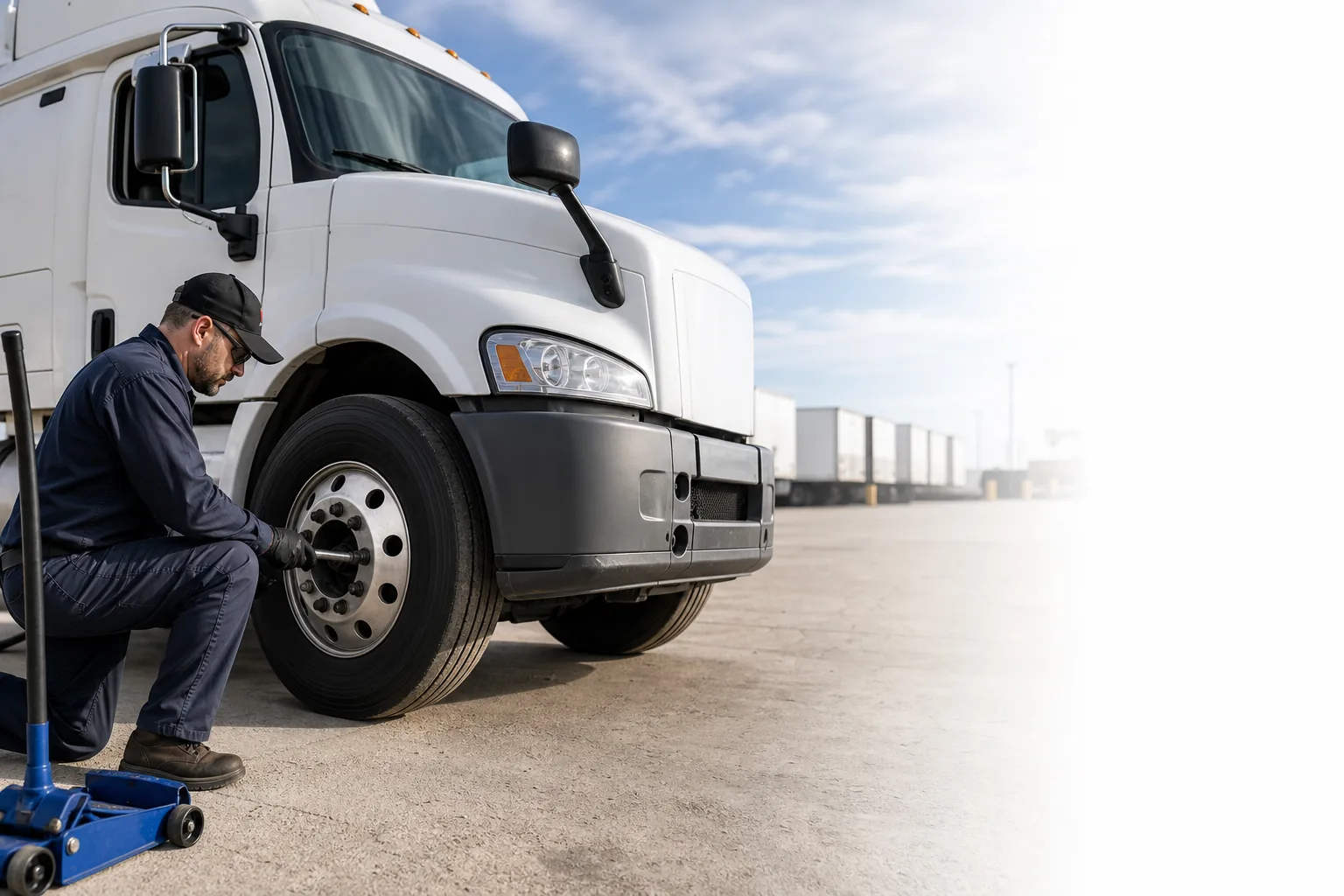
Before service, record the axle position and tire number. Note any recent repair, unusual tread wear, or pressure warning. This gives the technician a useful starting point and helps us compare the result after balancing.
At The Tire Specialist , we focus on commercial trucks and fleet vehicles.
Key Takeaway:Confirm that the vibration follows wheel speed, then rule out loose hardware, wheel damage, and suspension faults before balancing.
Step 2: Check the Equipment Used for Mobile Tire Balancing
It’s simple: a mobile tire balancing setup must bring the key parts of a shop bay to the vehicle. The exact gear changes with the truck, wheel size, and service plan.
We check for these core items:
Balance-checking equipment:This spins the tire and wheel assembly. It shows where corrective weight belongs.
Wheel-centering tools:This centers the wheel on the equipment. A poor center can produce a false reading.
Air compressor:The compressor supports inflation and bead seating after mounting.
Power source:A service truck may use an external or onboard power source. The source must match the load.
Measurement tools:Tools help the machine calculate weight placement.
Weights and hand tools:Clip-on weights suit many steel wheels. Other weights may suit some alloy wheels.
The balancer must also be calibrated. One documented equipment demonstration uses a known calibration weight on both sides of a steel rim. That process teaches a useful lesson: calibration is part of the job, not a one-time setup task.
For commercial work, capacity matters too. The machine must safely handle the wheel and tire assembly in front of it. A small passenger-car unit may not suit a heavy truck wheel.
The service truck needs room for the equipment to stay stable. Heavy tools should be secured during travel. Hoses need a safe path, while fuel-powered equipment must vent away from people and enclosed work areas.
Basic commercial tire service practices are useful reference points. We use the same basic mindset on-site: secure the vehicle, use the right tools, and treat the tire as a safety part.
Counter-balance beads are another possible method. Small beads sit inside the tire and shift as the tire turns. They may fit some applications, but they don’t replace inspection or correct every wheel problem. We choose the method based on the wheel, tire, and vehicle use.
Step 3: Balance the Tire and Wheel Assembly
Yes, the wheel must sit correctly on the balancing equipment before the machine can give a useful reading. We follow a set order so the result can be checked.
First, remove dirt, mud, and old loose weights from the rim. Inspect the bead area and look for damage. Confirm that the tire is seated and inflated to the correct working level for the service process.
Next, center the assembly on the machine. Select the wheel type. Enter the rim diameter and measure the required distances. The balancing equipment then spins the assembly and shows the correction points.
For a steel wheel, we mark the rim before making an adjustment. The mark helps us track the heavy spot and the correction point. A frequent mistake is placing the weight too far out on the rim. That changes the weight’s effect and can throw the assembly off again.
Move the weight slightly inward when needed. Adjust it until the balance bubble or machine reading sits level. Small placement changes can matter more than simply adding weight.
One documented mobile workflow also uses straight-track road-force analysis . This test needs a straight-track road-force machine. It helps show which tire is creating a directional pull, which can separate a balance concern from a tire or wheel concern.
For some steel-wheel jobs, we may halve the suggested weight. For example, quarter-ounce pieces can be split between the inside and outside of the rim. This sounds backward, but equal inside and outside placement can improve dynamic balance.
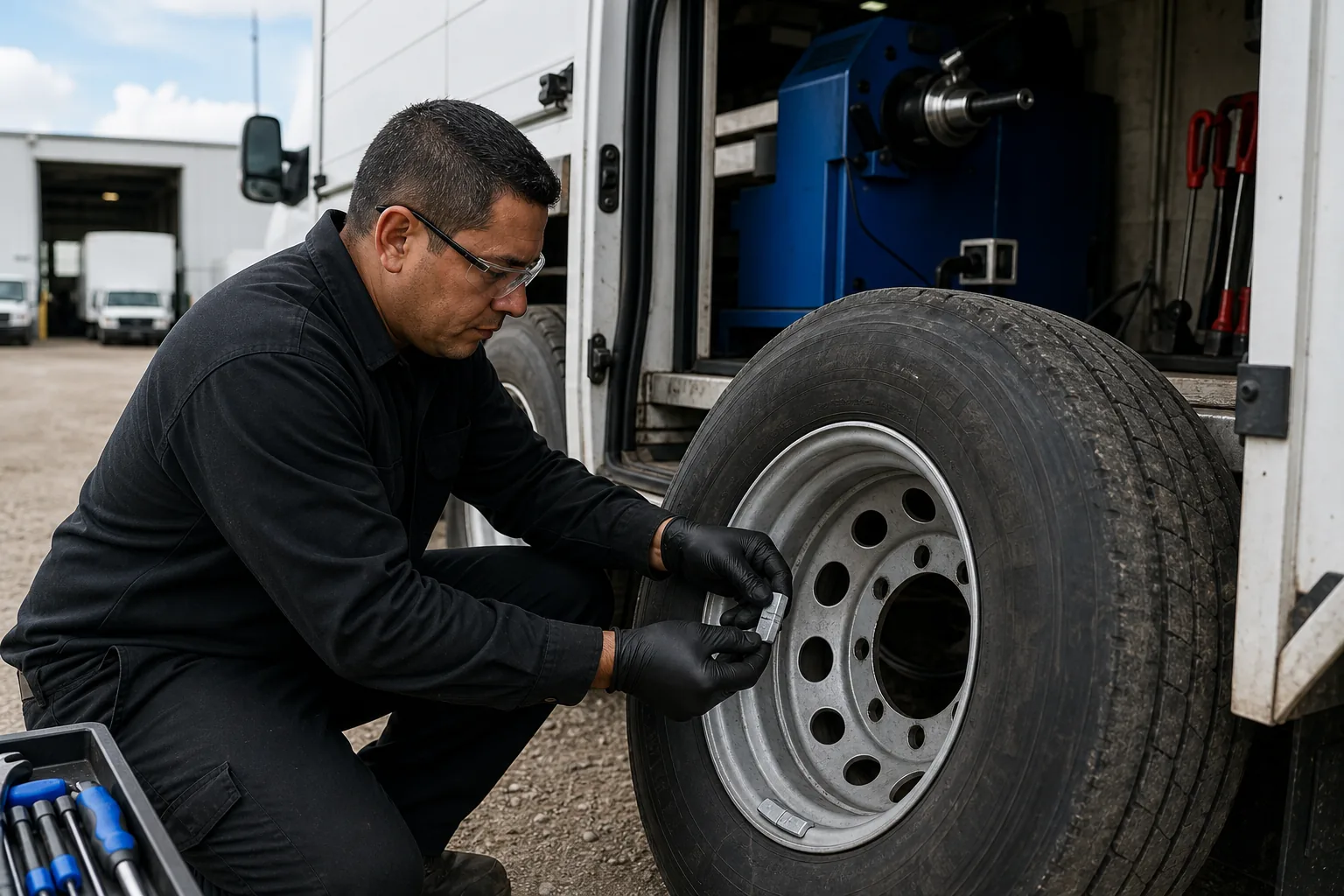
Do not put every correction weight on the outside. That can destabilize the wheel and may leave the driver with a shake at road speed. We make the correction, spin the assembly again, and confirm the reading before moving on.
For fleet managers, this is where a clear service record helps. Record the wheel position, weight placement, and any road-force finding. The next technician can see what changed instead of starting from scratch.
When you need a commercial wheel handled without a tow, our semi-truck tire balancing service guidance explains the type of on-site support fleet operators should expect.
Pro Tip:If a steel wheel needs a large amount of weight, stop and inspect the wheel, tire seating, and machine setup before adding more.
Step 4: Prepare the Service Location and Vehicle
Need service at a yard or roadside stop? Give the technician a safe, level place to work. Mobile tire balancing is faster when the vehicle and work area are ready.
For a scheduled fleet visit, prepare a lane with enough room for the service truck. Keep pedestrians away from the wheel area. Move loose pallets, scrap metal, tools, and other debris before the crew arrives.
For a roadside issue, stay as far from moving traffic as conditions allow. Use hazard lights and follow your company’s roadside safety plan. Don’t remove a commercial wheel beside live traffic unless the area is safe for the work.
Have the truck details ready:
Vehicle number and axle position
Tire size and wheel type
Recent repair or replacement details
Driver notes about speed, location, and type of vibration
Any pressure alert or inspection record
We also need access to the wheel. Park the vehicle with the affected side clear. Set the parking brake and follow the required chocking and lifting procedure. The technician will confirm the setup before work begins.
A fleet maintenance program can group balancing with tire inspections or on-site tire replacement. That reduces extra handoffs. It also gives the manager one service record for the truck instead of scattered notes.
The Tire Specialist brings mobile commercial tire support across the Dallas-Fort Worth area. We can work with fleet managers, logistics teams, and owners who need the truck kept in service.
Our mobile tire service information explains how on-site repair, replacement, mounting, and balancing fit into one field visit. The next step is to share the location and vehicle details so we can confirm the right equipment.
Step 5: Verify the Result and Troubleshoot Balancing Problems
Yes, verification is part of mobile tire balancing. A weight is not proof that the wheel is fixed.
Spin the assembly again after every correction. Confirm that the machine shows an acceptable reading. Check that each weight is secure and that no weight sits in the wrong position.
Before releasing the truck, inspect the basics:
Lug nuts are tightened with the correct procedure.
The valve area has no visible leak.
The tire has the required pressure.
The wheel has no fresh damage.
The service record names the axle and wheel position.
A low-speed check can help confirm the repair when site conditions allow. Ask the driver if the shake changed. Note the speed at which any remaining vibration appears.
If the vibration remains, don’t keep adding weight. Recheck the wheel center, rim mark, weight position, and tire seating. Then inspect for a bent wheel, tire runout, uneven wear, or a suspension fault.
Check tires at the first sign of vibration or shimmy. Rebalancing may not solve the issue when alignment or suspension parts are involved. A wider inspection can help identify the cause.
Watch the truck after service. A new shake, pressure loss, or pull needs prompt attention. The driver should report the symptom instead of trying to work around it.
For a fleet, the best follow-up is simple. Save the service record, link it to the vehicle number, and set a check after the next route. That gives us a clean way to spot a repeat issue.
Some problems cannot be solved with balancing alone. If the machine reads correctly but the truck still pulls or shakes, we recommend a tire, wheel, alignment, or suspension inspection.
FAQ
What is mobile tire balancing?
Mobile tire balancing is the process of correcting a tire and wheel assembly at your location. A technician brings balancing equipment, tools for positioning the wheel, weights, inflation gear, and a power source to the vehicle. The service can take place at a fleet yard, job site, or safe roadside location.
How do I know if my tire needs balancing?
A vibration that follows vehicle speed is the most common clue. You may feel it through the steering wheel, seat, or cab floor. Uneven tread wear can also point to a problem. Since bent wheels and worn suspension parts can feel similar, we inspect the assembly before balancing.
Can steel wheels use less weight?
Yes, some steel-wheel jobs improve when the suggested correction is halved and split between the inside and outside rim. The result depends on the wheel and machine reading. Placing all the weight outside can hurt dynamic balance, so we verify the assembly after each adjustment.
Can counter-balance beads replace wheel weights?
Counter-balance beads may work for some tire and wheel applications, but they aren’t a fix for every imbalance. The beads move inside the tire as it turns. We still inspect the wheel, confirm tire seating, and choose the correction method based on the vehicle and service conditions.
What should I prepare for an on-site balancing visit?
Prepare a level work area with room for the service truck. Keep traffic and workers away from the wheel. Share the vehicle number, tire size, axle position, recent repair notes, and driver’s description of the vibration. Good details help us bring the right equipment and reduce delays.
What if the vibration remains after balancing?
If vibration remains after a correct balance, stop adding weights and inspect other causes. A bent rim, tire defect, alignment issue, or worn suspension part may be responsible. The vehicle should be checked when vibration first appears. We can help identify the next inspection instead of repeating the same balance.
Conclusion
Choose a mobile tire service that checks the full wheel assembly, calibrates its equipment, and verifies the result. For Dallas-Fort Worth commercial fleets, The Tire Specialist can review the symptom and bring the right on-site equipment. Gather the truck and tire details, then request service through our website so we can plan the visit.


Comments