.png)
Unlocking Fleet Maintenance Benefits: How to Optimize Your Fleet Maintenance Programs

Keeping a commercial fleet running smoothly is no small feat. Every truck on the road represents a significant investment, and downtime can cost more than just money - it can hurt your reputation and delay deliveries. That’s why optimizing your fleet maintenance programs is essential. When done right, it keeps your vehicles safe, reliable, and ready to roll. I’m here to share practical tips and insights that will help you get the most out of your maintenance efforts.
Why Fleet Maintenance Benefits Your Business
Regular maintenance isn’t just about fixing problems after they happen. It’s about preventing issues before they cause breakdowns. The benefits of a well-run maintenance program are clear:
Reduced downtime: Scheduled inspections and repairs mean fewer unexpected breakdowns.
Lower repair costs: Catching small issues early prevents expensive fixes later.
Improved safety: Well-maintained trucks are less likely to have accidents caused by mechanical failure.
Better fuel efficiency: Properly tuned engines and well-inflated tires save fuel.
Extended vehicle life: Regular care keeps trucks on the road longer, protecting your investment.
For example, a fleet operator who schedules tire inspections every month can spot uneven wear early. This prevents blowouts and costly roadside repairs. Plus, maintaining proper tire pressure improves gas mileage, saving money on fuel.

Key Strategies to Optimize Your Fleet Maintenance Programs
Optimizing your maintenance program means more than just following a checklist. It requires a strategic approach tailored to your fleet’s unique needs. Here’s how to get started:
1. Implement a Preventive Maintenance Schedule
Don’t wait for a breakdown to fix a problem. Set up a preventive maintenance schedule based on manufacturer recommendations and your trucks’ usage patterns. This includes:
Regular oil changes
Tire rotations and pressure checks
Brake inspections
Fluid level checks
Engine diagnostics
Using a digital maintenance management system can help track these tasks and send reminders, so nothing slips through the cracks.
2. Train Your Drivers
Your drivers are the first line of defense. Teach them to spot early warning signs like unusual noises, vibrations, or dashboard alerts. Encourage them to report issues immediately. A driver who notices a slow leak or a strange smell can save you from a major repair bill.
3. Use Quality Parts and Fluids
Cutting corners on parts or fluids might save money upfront but can lead to bigger problems later. Always use manufacturer-approved components and high-quality oils and lubricants. This ensures your trucks perform at their best and last longer.
4. Monitor Tire Health Closely
Tires are critical to safety and efficiency. Regularly check tread depth, pressure, and alignment. Consider investing in tire pressure monitoring systems (TPMS) for real-time alerts. Proper tire maintenance reduces blowouts and improves fuel economy.
5. Analyze Maintenance Data
Collect and analyze data from your maintenance activities. Look for patterns like frequent repairs on a specific truck or part. This insight helps you make informed decisions about repairs, replacements, or even retiring vehicles.
How much does fleet maintenance cost?
Understanding the costs involved in maintaining a fleet is crucial for budgeting and planning. Maintenance expenses vary depending on fleet size, vehicle types, and usage intensity. Here’s a breakdown of typical costs:
Routine maintenance: Oil changes, tire rotations, brake checks usually cost between $100 and $300 per vehicle per service.
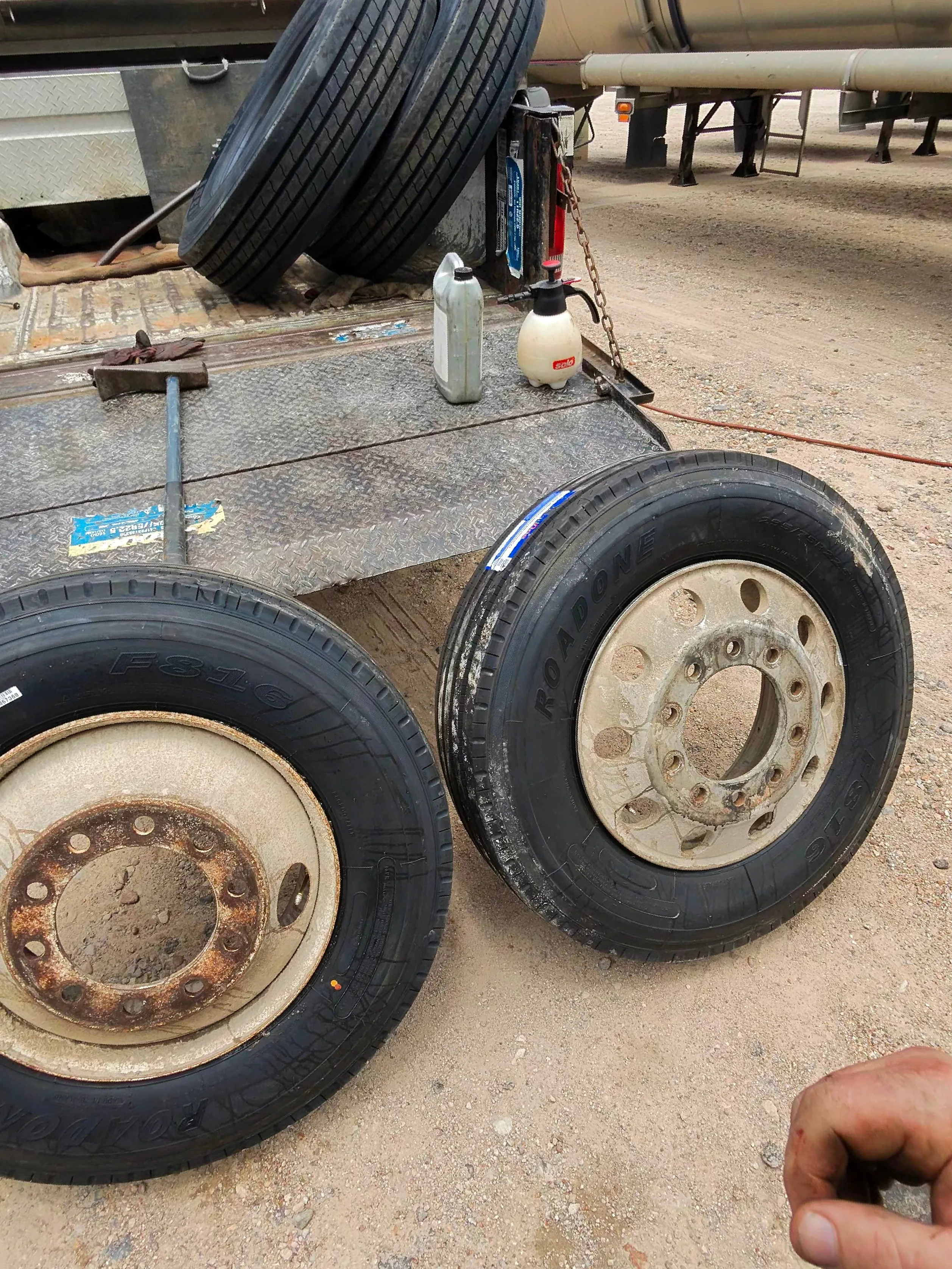
Tire replacement: Commercial truck tires can range from $300 to $600 each, depending on size and quality.
Unexpected repairs: These can vary widely but often run into thousands of dollars if major components like engines or transmissions fail.
Labor costs: Skilled mechanics charge hourly rates, often between $75 and $150 per hour.
By investing in preventive maintenance, you can reduce the frequency and severity of costly repairs. For example, a fleet that spends $200 monthly on scheduled maintenance might avoid a $5,000 engine repair down the line.

Leveraging Technology to Enhance Maintenance Efficiency
Technology is a game-changer in fleet maintenance. Here are some tools that can help you optimize your program:
Fleet management software: Tracks vehicle health, schedules maintenance, and stores service records.
Telematics: Provides real-time data on vehicle performance and driver behavior.
Mobile maintenance apps: Allow mechanics and drivers to report issues and update records on the go.
Predictive analytics: Uses data trends to forecast potential failures before they happen.
Using these technologies reduces paperwork, improves communication, and helps you stay ahead of maintenance needs.
Building a Reliable Maintenance Partner Network
No fleet operator can do it all alone. Building relationships with trusted service providers is key. Look for partners who:
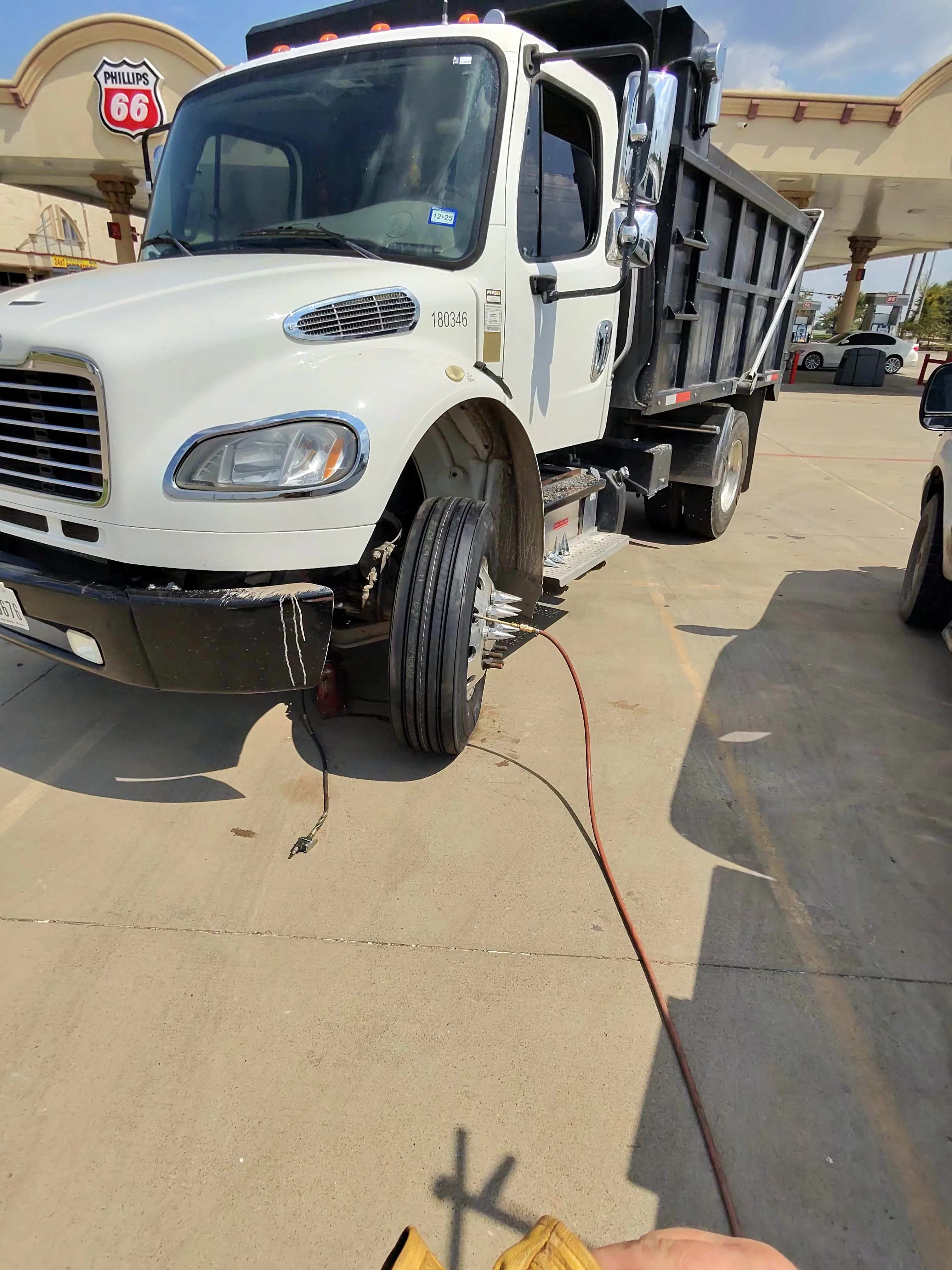
Offer mobile tire and repair services to minimize downtime
Understand the demands of commercial fleets
Provide transparent pricing and quick turnaround
Have a strong reputation in the Dallas-Fort Worth area
A reliable partner can be the difference between a quick fix and a long wait. For instance, mobile tire specialists who come directly to your location save you the hassle of towing and lost productivity.
Taking the Next Step with Your Fleet Maintenance Programs
Optimizing your fleet maintenance programs is an ongoing process. Start by assessing your current practices and identifying areas for improvement. Then, implement preventive schedules, train your team, and leverage technology. Don’t forget to build strong partnerships with service providers who understand your needs.
By focusing on these strategies, you’ll enjoy the many fleet maintenance benefits - from reduced costs and downtime to safer, more efficient operations. Your trucks will stay on the road longer, and your business will run smoother.
If you want to keep your commercial fleet rolling with minimal fuss and downtime, investing in a smart, proactive maintenance approach is the way to go. It’s not just about fixing trucks - it’s about driving your business forward.
Ready to optimize your fleet maintenance? Start today and experience the difference.
Comments