.png)
Essential Summer Maintenance for Your Fleet in DFW
Updated: Jun 2
Key Checkpoints for Summer Preparedness
1. Inspect Tire Sidewall Integrity Thoroughly
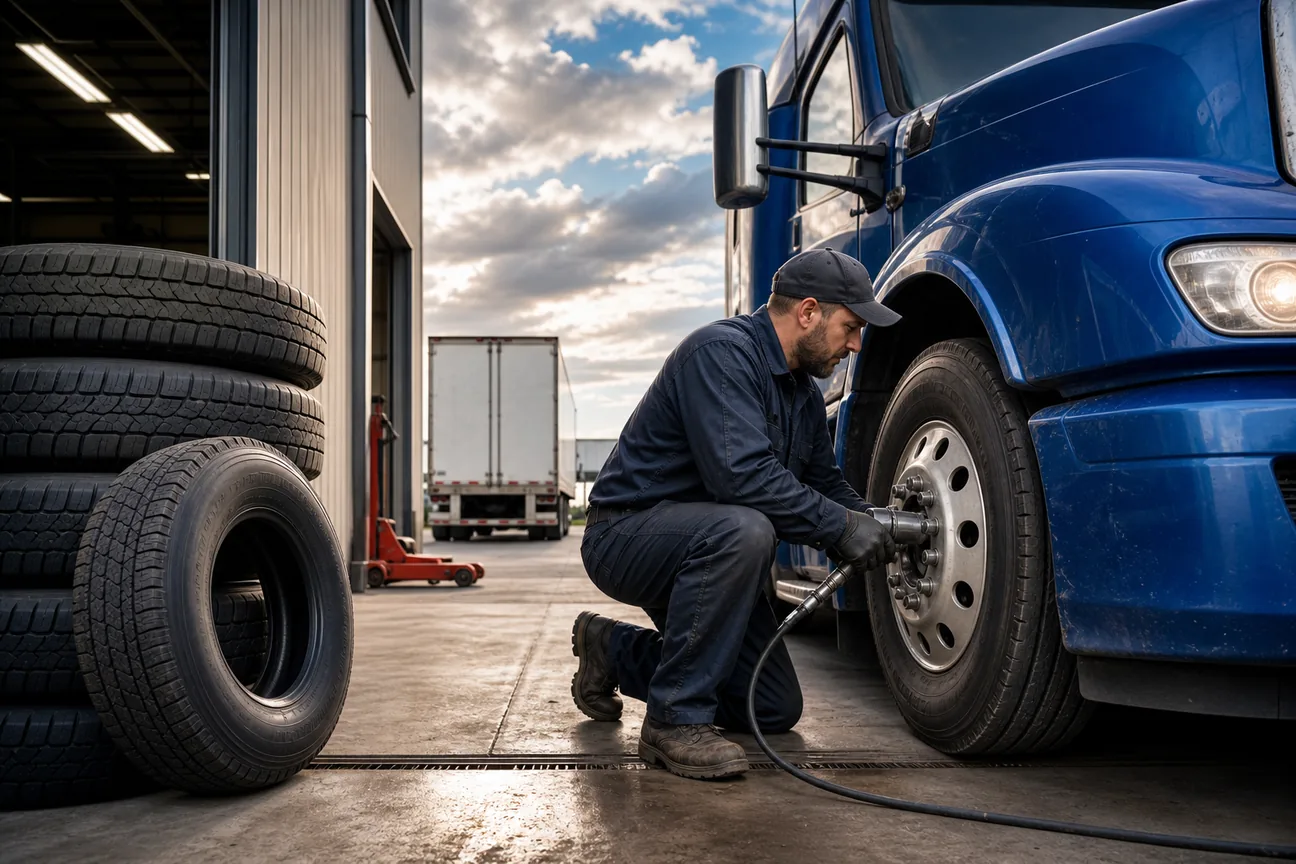
Tires bear the brunt of summer heat, especially on DFW’s scorching asphalt. The rubber sidewalls can weaken and crack under thermal stress, leading to sudden blowouts or tread separation. These failures often cause roadside stalls and expensive replacements.
What to check:
Look for visible cracks, bulges, or cuts on the tire sidewalls.
Check for signs of dry rot or discoloration, which indicate rubber degradation.
Ensure tires are not overused beyond their recommended lifespan.
Example: A fleet in DFW reported multiple tire failures during a heatwave. After switching to a routine sidewall inspection every 5,000 miles, they reduced blowouts by 40% over the summer.
2. Verify Tire Pressure Against Manufacturer Thresholds
Heat causes air inside tires to expand, increasing pressure. Overinflated tires risk blowouts, while underinflated tires generate excess heat and wear unevenly. Both conditions lead to premature tire failure.
Best practices:
Measure tire pressure when tires are cold, ideally before the truck starts moving.
Adjust pressure according to the manufacturer’s recommended range, not just a fixed number.
Use tire pressure monitoring systems (TPMS) for real-time alerts on pressure changes.
Example: A DFW fleet using TPMS detected slow leaks early and avoided multiple roadside tire replacements during a summer delivery surge.
3. Flush and Maintain Cooling Systems Regularly
Engines working hard in extreme heat face thermal expansion that can cause overheating and breakdowns. Cooling systems must be flushed and refilled with fresh coolant to maintain optimal temperature control.
Key steps:
Flush the radiator and cooling system before summer begins.
Check hoses and clamps for leaks or cracks.
Replace coolant based on manufacturer schedules or if it appears contaminated.
Example: One fleet manager in DFW noticed a 25% drop in engine overheating incidents after implementing a strict cooling system flush every six months.
4. Monitor Brake System Performance Closely
Heat affects brake components, causing pads and drums to wear faster. Overheated brakes can fail or reduce stopping power, increasing accident risk and breakdowns.
Inspection tips:
Check brake pads and drums for excessive wear or glazing.
Test brake fluid levels and replace fluid if it shows signs of moisture contamination.
Inspect air brake systems for leaks or pressure drops.
Example: A fleet that increased brake inspections during summer reduced brake-related roadside stops by nearly half.
5. Evaluate Battery Health and Electrical Connections
High temperatures accelerate battery fluid evaporation and corrosion on terminals. Weak batteries can fail unexpectedly, leaving trucks stranded.
Maintenance advice:
Test battery voltage and load capacity regularly.
Clean terminals and apply anti-corrosion spray.
Replace batteries older than three years or showing signs of weakness.
Example: A DFW fleet that replaced aging batteries before summer avoided multiple breakdowns caused by electrical failures.
Conclusion: Stay Proactive This Summer
By focusing on these five critical checkpoints, you can keep your fleet running smoothly during the sweltering summer months. Regular inspections and maintenance are key to avoiding breakdowns and ensuring safety on the road. Remember, a little proactive care goes a long way in maintaining your fleet's performance.
For more information on how to keep your trucks rolling, check out The Tire Specialist. They are committed to being the go-to mobile tire service for commercial fleets in the Dallas-Fort Worth area, ensuring businesses keep their trucks rolling with minimal fuss and downtime.


Comments