.png)
Truck Tire Pressure: Complete Guide for Drivers
Wrong pressure can cost you fuel, wear, and even a blowout. Here’s the quick guide that covers what you need to know and how to keep every axle in the right zone.
What Is Truck Tire Pressure and Why It Matters
Truck tire pressure is the amount of air inside each tire, measured in pounds per square inch (psi) . It tells the tire how much load it can safely carry and how it will behave on the road. Proper pressure helps the tire stay round, spreads the load evenly, and keeps the rubber from overheating.
When the pressure is off, the contact patch, where the rubber meets the pavement, shrinks or expands. That changes wear patterns, fuel use, and braking distance. Under‑inflated tires raise rolling resistance and can increase the risk of crashes.
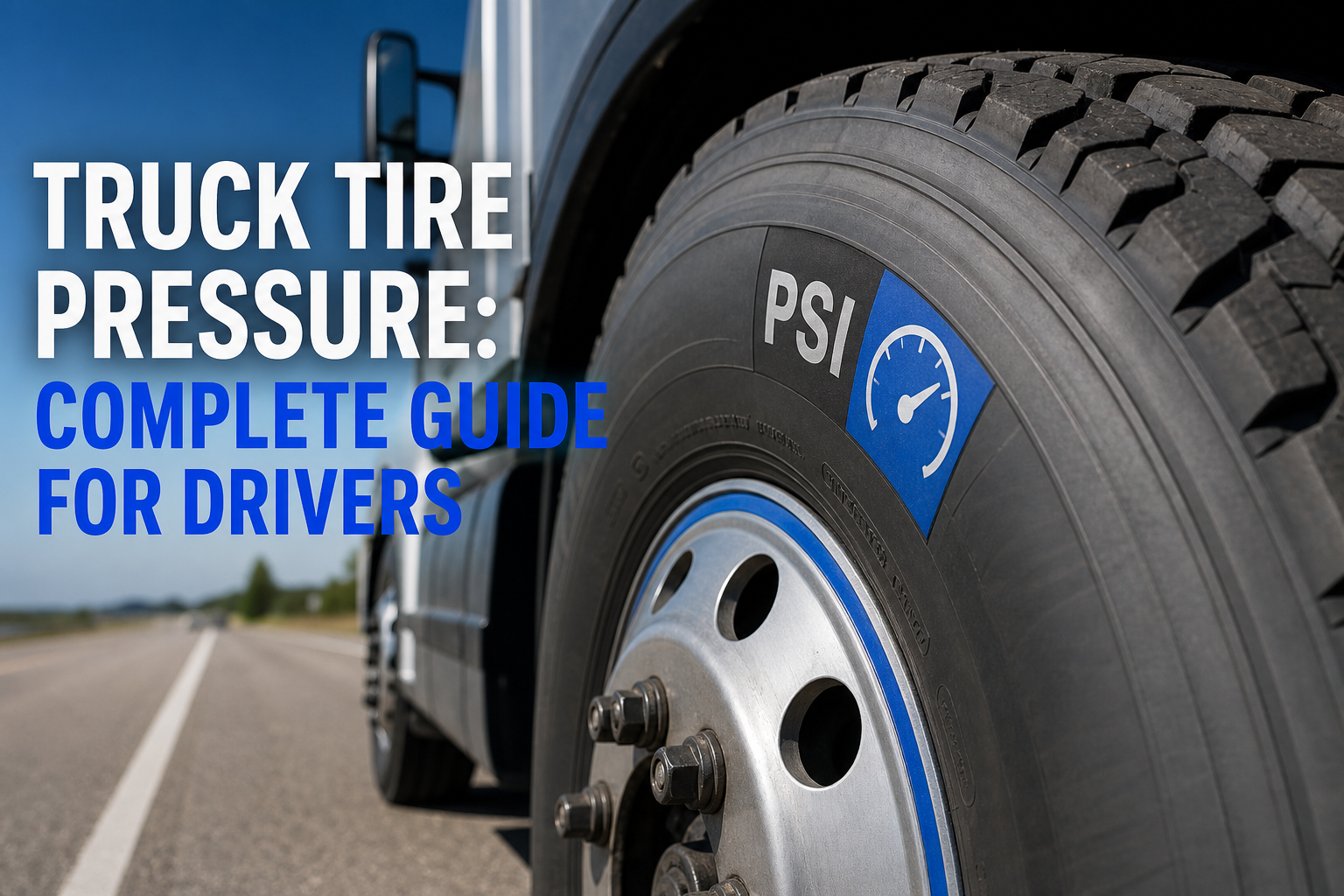
Because truck tires carry heavy loads, even a one‑psi drop can shave off miles per gallon and heat the tread. That’s why fleets treat pressure like a daily checklist, not a set‑and‑forget item.
Recommended Pressure Ranges by Truck Type
Different trucks need different psi ranges. The numbers below follow the manufacturer tables most fleets use. Always double‑check the placard on the driver’s door jamb for your exact model.
Truck Type | Typical Cold‑Air PSI | Common Use |
Light Pickup (35‑45 psi) | 35–45 | Day‑to‑day hauling, occasional trailer |
Full‑Size Pickup (40‑50 psi) | 40–50 | Heavy tools, regular towing |
Box Truck (Class 3‑5) (70‑95 psi) | 70–95 | Medium‑duty delivery |
Semi‑Truck (Class 8) (95‑105 psi) | 95–105 | Long‑haul freight |
Industrial Dump (100‑120 psi) | 100–120 | Construction, mining |
Heavy‑Duty Off‑Road (120‑130+ psi) | 120‑130+ | Quarry, logging |
These ranges assume the tires are cold, meaning the truck has been stopped for at least three hours. Hot tires can read 2‑6 psi higher, so always check before you drive.
For fleets that need on‑site service, The Tire Specialist can verify the correct psi for any axle and adjust on the spot.
When you compare the numbers to standard load‑and‑inflation tables , you’ll see that the max load capacity climbs with each psi increase. That PDF is the official reference many manufacturers cite for compliance.
Key Takeaway:Keep a record of the psi you use for each tire size. Small shifts add up fast across a fleet.
How Temperature and Load Affect Tire Pressure
Air expands when it warms and contracts when it cools. Roughly, every 10 °F (5.5 °C) change shifts pressure by about 1 psi. In a Texas summer that hits 100 °F, a tire set at 95 psi cold could read 100 psi hot.
Load does the same thing in reverse. Adding weight flattens the tire, which squeezes the air and raises psi. The rule of thumb is to add 2‑3 psi for a fully loaded axle, then double‑check against the tire’s load‑index chart.
Both factors can combine. A truck that’s fully loaded on a hot day might see a 6‑psi jump, pushing it into the over‑inflation zone. That reduces the contact patch, making the ride harsher and the tread wear in the center faster.
Michelin’s research shows that a 22 psi under‑inflation can raise fuel consumption by about 1 % and cut tire life dramatically. Michelin’s own guidance stresses weighing each axle and matching the pressure to the load.
Pro Tip:Check pressure first thing in the morning, before the sun warms the tires. That gives you the most accurate cold‑read number.
Maintaining Proper Pressure: Tips & Tools
Staying on top of pressure is easier when you have the right tools. A good gauge reads to at least 0.5 psi and fits the valve stem without wobbling. Digital gauges with backlit screens work well in low‑light yards, while analog models survive drops and rough handling.
We recommend keeping a gauge in the glovebox and a larger, more precise unit in the shop. A professional‑grade gauge can measure from 0‑200 psi with 0.1 psi resolution and has a sturdy steel chuck.
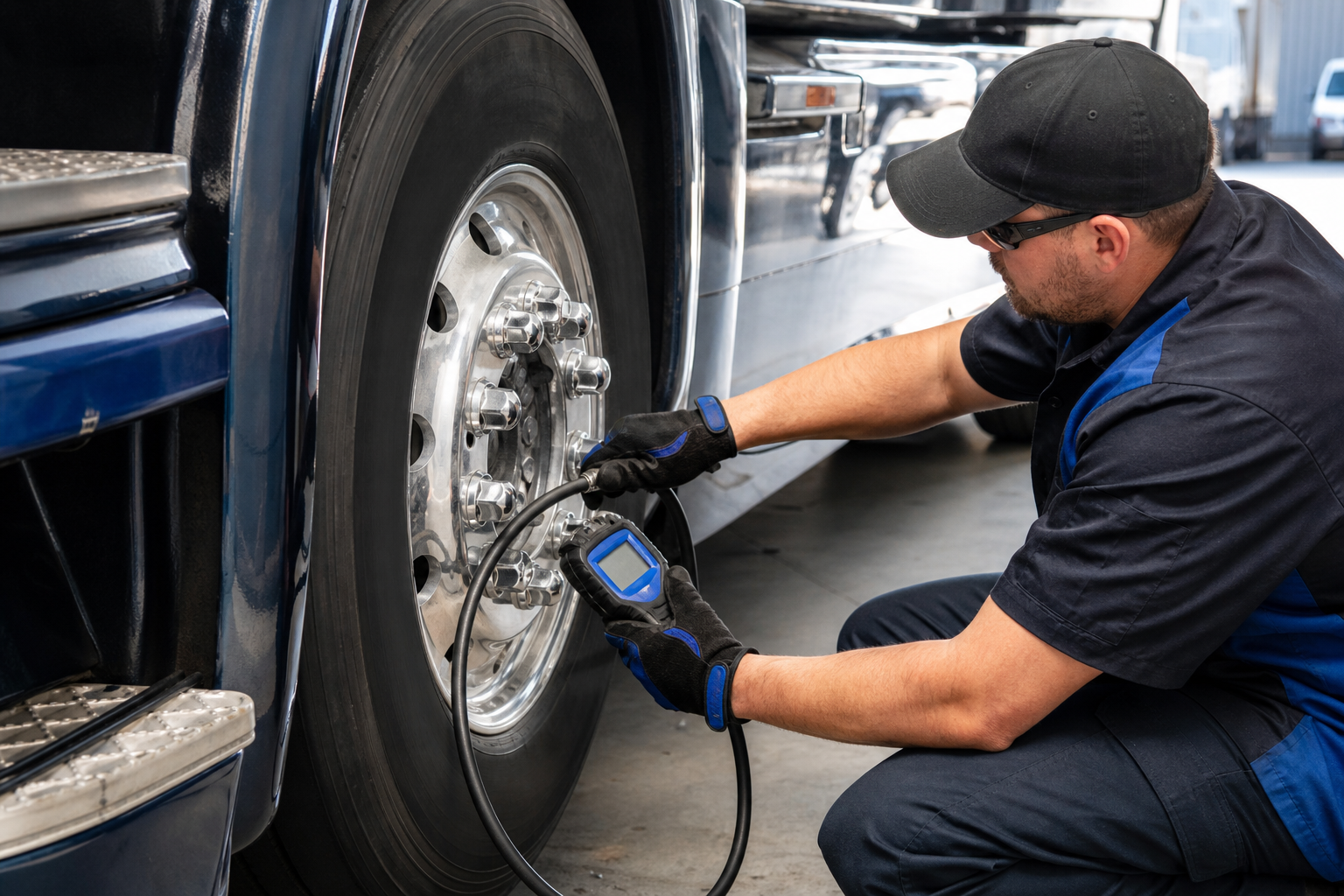
Beyond the gauge, a tire‑inflation station that can handle up to 150 psi saves trips to a service station. Look for a unit with a built‑in bleed valve so you can fine‑tune the pressure without removing the chuck.
If you run a fleet, schedule weekly checks and record the readings in a spreadsheet or maintenance software. That way you spot trends before a tire goes flat.
When a tire does lose pressure fast, mobile service can save downtime. The Tire Specialist offers on‑site repairs so you stay on the road without waiting for a shop.
FAQ
What is the ideal truck tire pressure?
The ideal pressure varies by vehicle and load, but most light‑duty trucks sit between 35‑45 psi, while long‑haul semis run 95‑105 psi when cold.
How often should I check my truck’s tire pressure?
Check at least once a week and before any long trip; also re‑check after major temperature swings.
Does temperature really affect tire pressure?
Yes, every 10 °F change shifts pressure about 1 psi, so hot weather can push a tire into the over‑inflated range.
Can I use nitrogen instead of air?
Nitrogen reduces pressure drift because it leaks slower, but regular air works fine as long as you check it often.
What tools do professional drivers trust?
Most rely on a calibrated digital gauge and a reliable inflation station that reaches 150 psi.
Conclusion
Keep the psi in the right ballpark, check it cold, and adjust for load and temperature. For a full‑service plan that includes on‑site checks, look at our fleet‑maintenance guide and schedule a visit.


Comments