
Top 10 Options for Flat Tire on Highway What to Do
- 2 days ago
- 4 min read
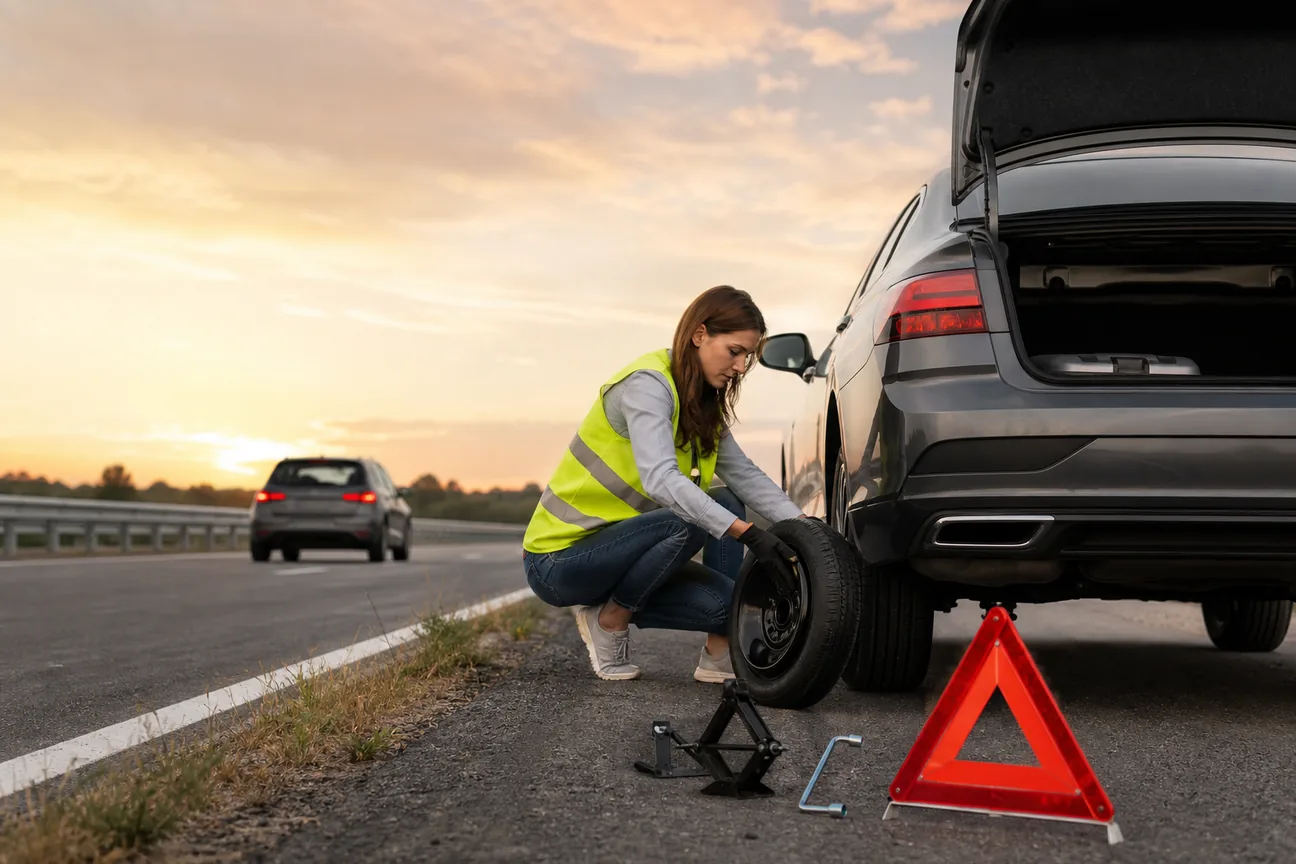
Got a flat on the highway? You need a fast, safe plan. Below are ten real options you can pick, from a full‑service mobile crew to a quick sealant spray.
1. The Tire Specialist (Our Top Pick) , Mobile emergency tire service for commercial fleets
The Tire Specialist is a Dallas‑Fort Worth mobile tire service that rolls to your location, repairs or replaces commercial truck tires, and gets you back on the road without a tow. It’s ideal for fleet managers who can’t afford downtime.
Why it shines: a sub‑hour response in metro DFW, TIA‑certified technicians, and on‑site tools that handle everything from puncture plugs to full‑size replacements. The team also checks tire pressure and inspects the rim, so you avoid hidden damage that could cause another blowout.
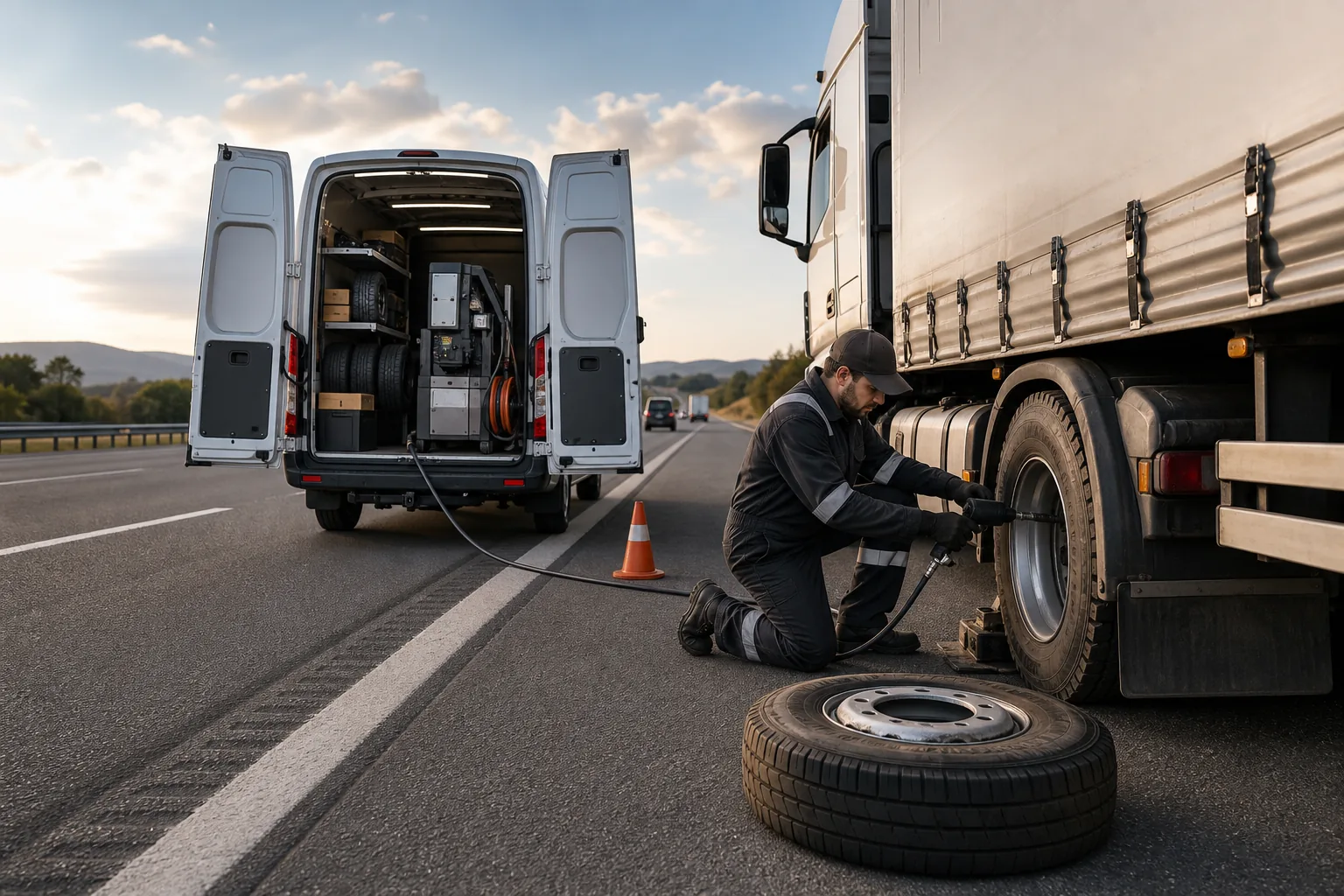
One caveat: service is focused on the DFW area, so out‑of‑state callers may face longer wait times.
We’ve seen the benefit firsthand: calling a mobile unit can greatly reduce repair time, keeping trucks moving and revenue flowing.
Rapid response is crucial for highway safety.
2. Fix‑a‑Flat Spray , Quick temporary seal for emergency
Fix‑a‑Flat is an aerosol sealant that you spray into the valve, then inflate the tire. It seals small punctures and adds enough pressure to drive a short distance to a safe location.
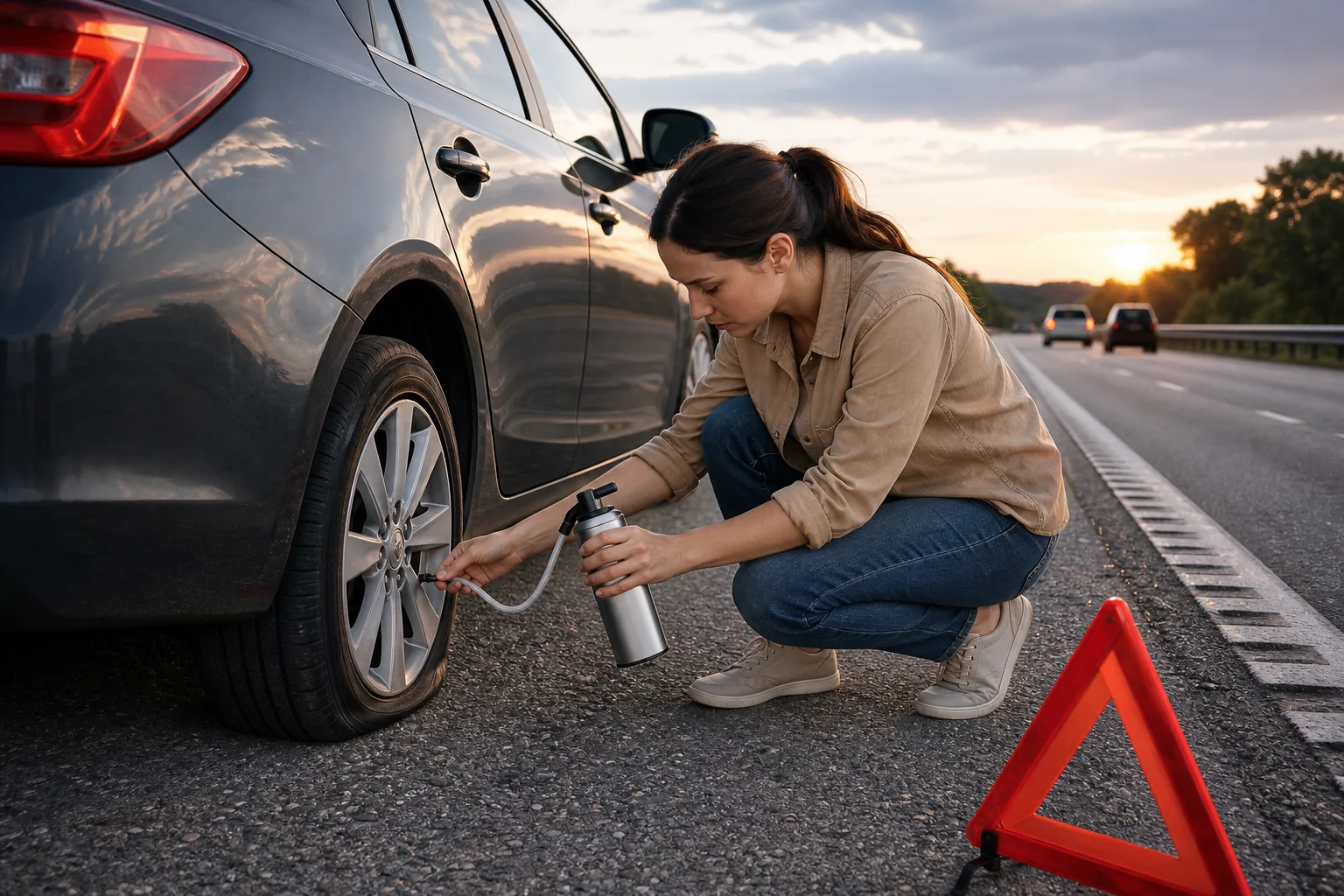
Good for: drivers who lack a spare or can’t change the tire immediately. The product is TPMS‑safe, so it won’t damage pressure sensors, and it works on most passenger‑car tires.
Limitations: it only handles nail‑size holes in the tread. Sidewall damage or large cuts require a professional repair. Also, the sealant can leave residue that a shop will need to clean out.
After using it, reduce speed to under 70 km/h and head straight to a garage. The seal lasts only a few miles, not a full trip.
More details on how the chemistry works can be found in reputable online resources.
Pro Tip:Keep the can in your glove box and check the expiration date each year. An old can may not inflate properly.
3. Spare Tire & Jack , Classic DIY replacement on the spot
Every vehicle should carry a spare, a jack, and a lug wrench. When a flat occurs, you pull off the road, set wheel chocks, loosen the lug nuts, lift the vehicle, swap the tire, and tighten in a star pattern.
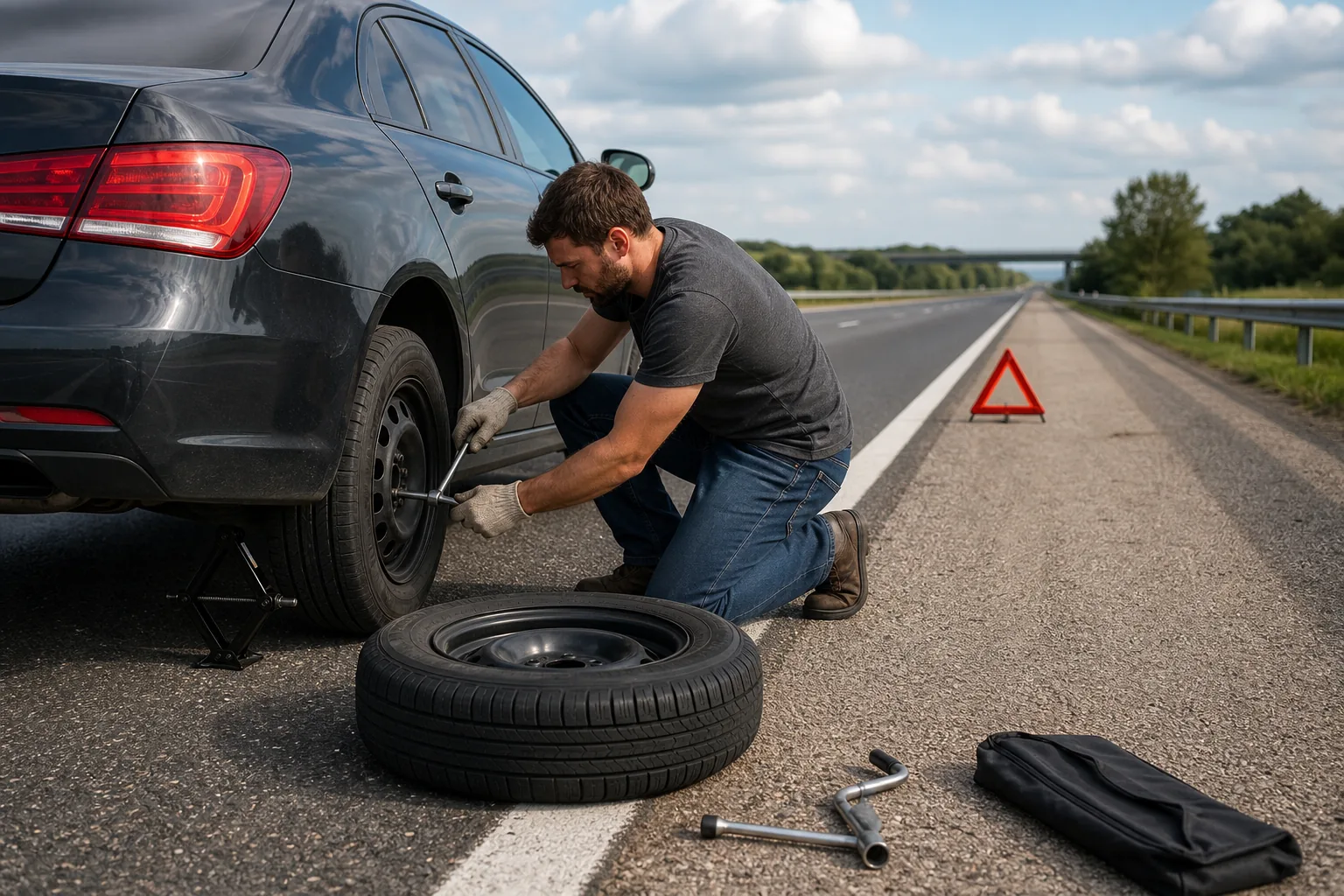
This method works for any car, SUV, or light truck. It gives you full control of the repair and doesn’t rely on external help.
Beware of: uneven ground, a damaged rim, or a stuck lug nut. If the wheel won’t lift or the spare is under‑inflated, call for professional assistance instead of risking injury.
When the job is done, check the spare’s pressure and store the flat tire safely. Remember to retighten the lug nuts after a short drive, as they settle.
How to Choose the Right Flat‑Tire Solution
Do you have a spare and the tools? If yes, go DIY.
Is the vehicle a commercial truck that can’t be left unattended? Call a mobile service.
Is the flat on a busy highway at night? A sealant spray buys you time to reach a safe spot.
Do you need a long‑term fix? Schedule a shop visit after any temporary repair.
FAQ
What’s the first thing I should do when a tire goes flat on the highway?
Pull off the road to a safe spot, turn on hazard lights, and stay inside the vehicle or behind a guard rail. This protects you from traffic while you assess the situation.
Can I keep driving on a flat tire?
No. Driving on a flat can damage the rim, suspension, and alignment, turning a simple repair into a costly repair shop visit.
Is Fix‑a‑Flat safe for cars with TPMS sensors?
Yes, as long as you choose a TPMS‑safe formula. The sealant is designed not to interfere with sensor readings, but you should still have the tire inspected by a professional later.
How long does a mobile tire service usually take?
Most technicians finish a repair or replacement fairly quickly once they arrive.
Do I need to carry a spare tire for a commercial truck?
It’s recommended. A spare lets you move the truck to a safe location for a professional repair, reducing downtime and avoiding a tow.
What safety gear should I have in my emergency kit?
Reflective triangles or LED flares, a high‑visibility vest, wheel chocks, a flashlight with extra batteries, and basic hand gloves. These items help you stay visible and protect your hands while you work.
Conclusion
If you want the quickest, most reliable fix, call The Tire Specialist. For a short‑term patch, grab a Fix‑a‑Flat can. And if you’re prepared, the spare‑and‑jack method always works.
Next step: add a spare tire, jack, and a sealant can to your vehicle’s emergency kit, then bookmark our guide for reference.


Comments