.png)
Preventive Maintenance for Trucks: A Step‑by‑Step Guide
Truck downtime hurts your bottom line. Follow this step‑by‑step guide to slash breakdowns and stretch tire life. We’ll walk you through every task you need to keep your fleet rolling.
Step 1: Conduct a Pre‑Trip Inspection
Before you hit the road, walk around each truck and look for obvious problems. Check lights, mirrors, and the cab for loose parts. Verify that all safety equipment, fire extinguisher, spare tire, reflective triangles, is present and in good shape.
Next, open the hood and glance at the belts and hoses. A cracked belt or a leaking hose can cause a breakdown miles down the highway. If you spot any wear, tag the truck for service before it leaves the yard.
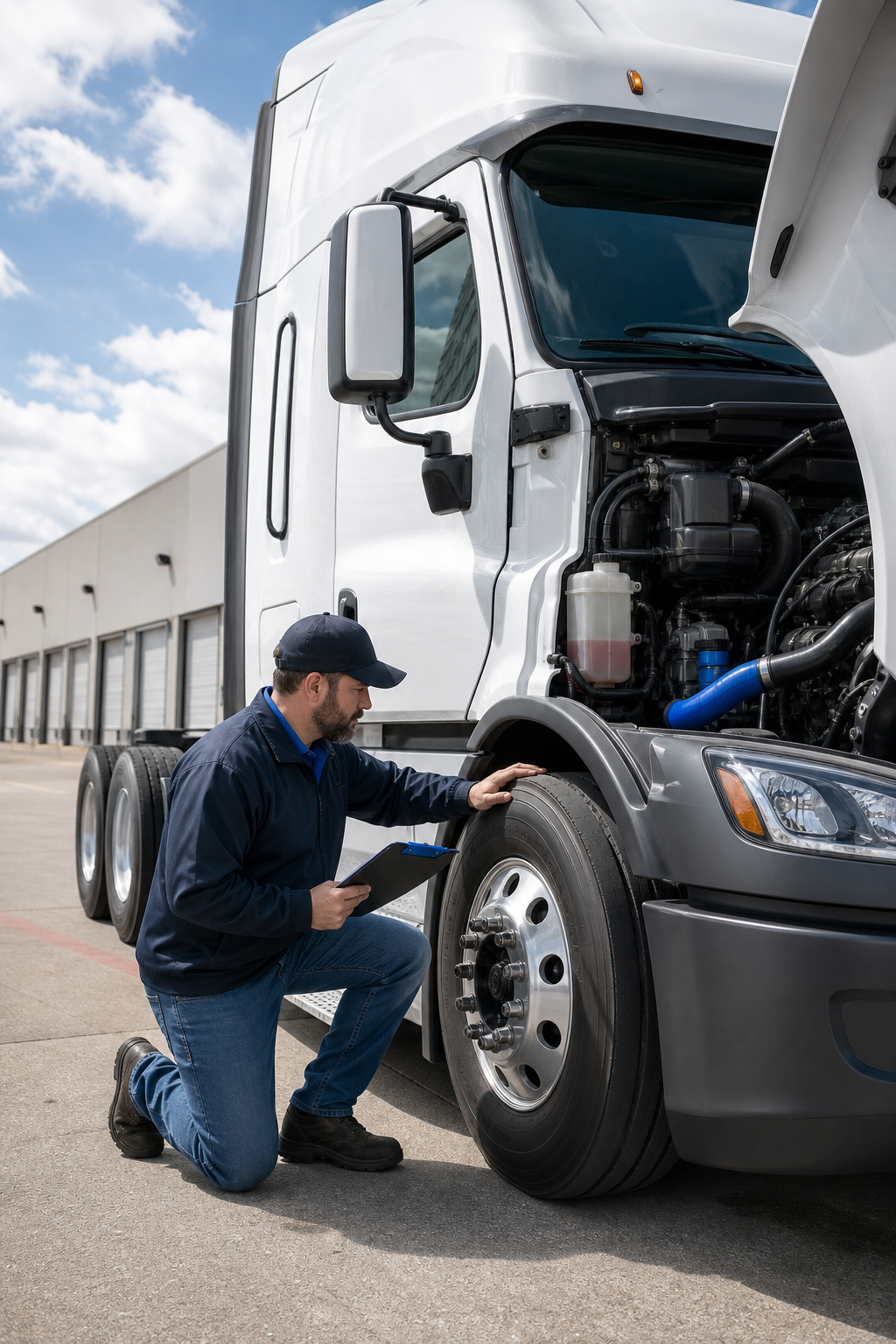
Our crew at The Tire Specialist uses a handheld checklist that captures every item in a few seconds, so drivers can stay focused on the road. By catching small issues early, you avoid costly tow calls later.
When the inspection is done, log the findings in your CMMS or a simple spreadsheet. That record becomes the basis for your next maintenance visit.
Pro Tip: Keep a magnetic inspection board in the break‑room. Drivers can quickly mark a problem with a magnet, and the maintenance team sees it instantly.
Step 2: Check Tire Pressure and Condition
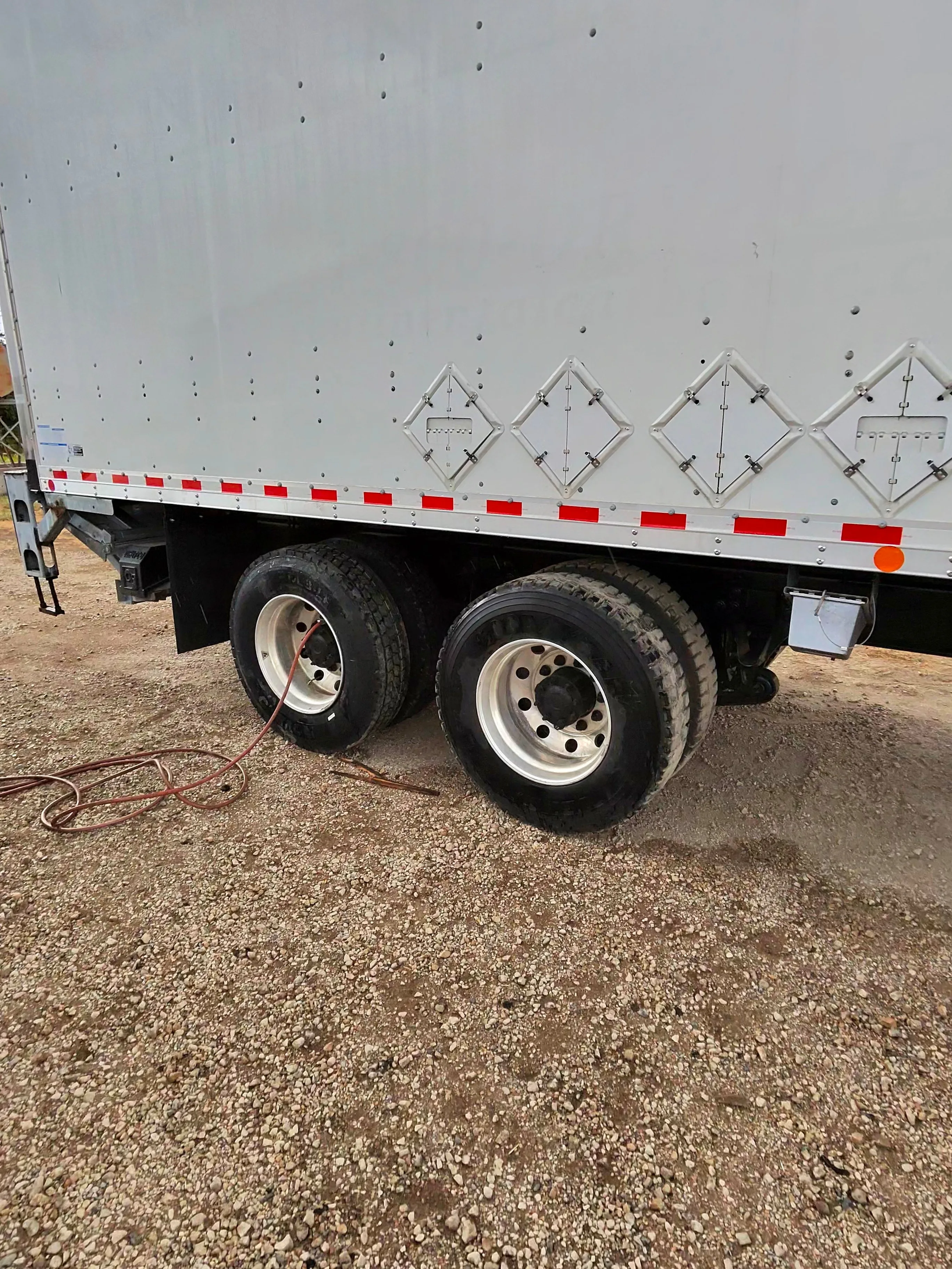
Correct pressure keeps fuel use low and wear even. Measure each tire when it’s cold, ideally before the truck has driven. Use a calibrated gauge; a cheap one can give a false reading.
Under‑inflated tires wear faster and can increase fuel consumption. The recommended PSI range is printed on the sidewall and in the owner’s manual.
While you’re at it, inspect the tread depth with a gauge, following essential techniques for checking steer tire tread depth during DOT inspections . The DOT requires a minimum of 4/32 in for steer tires. Look for cuts, bulges, or objects stuck in the groove. Anything that looks abnormal should be flagged for repair.
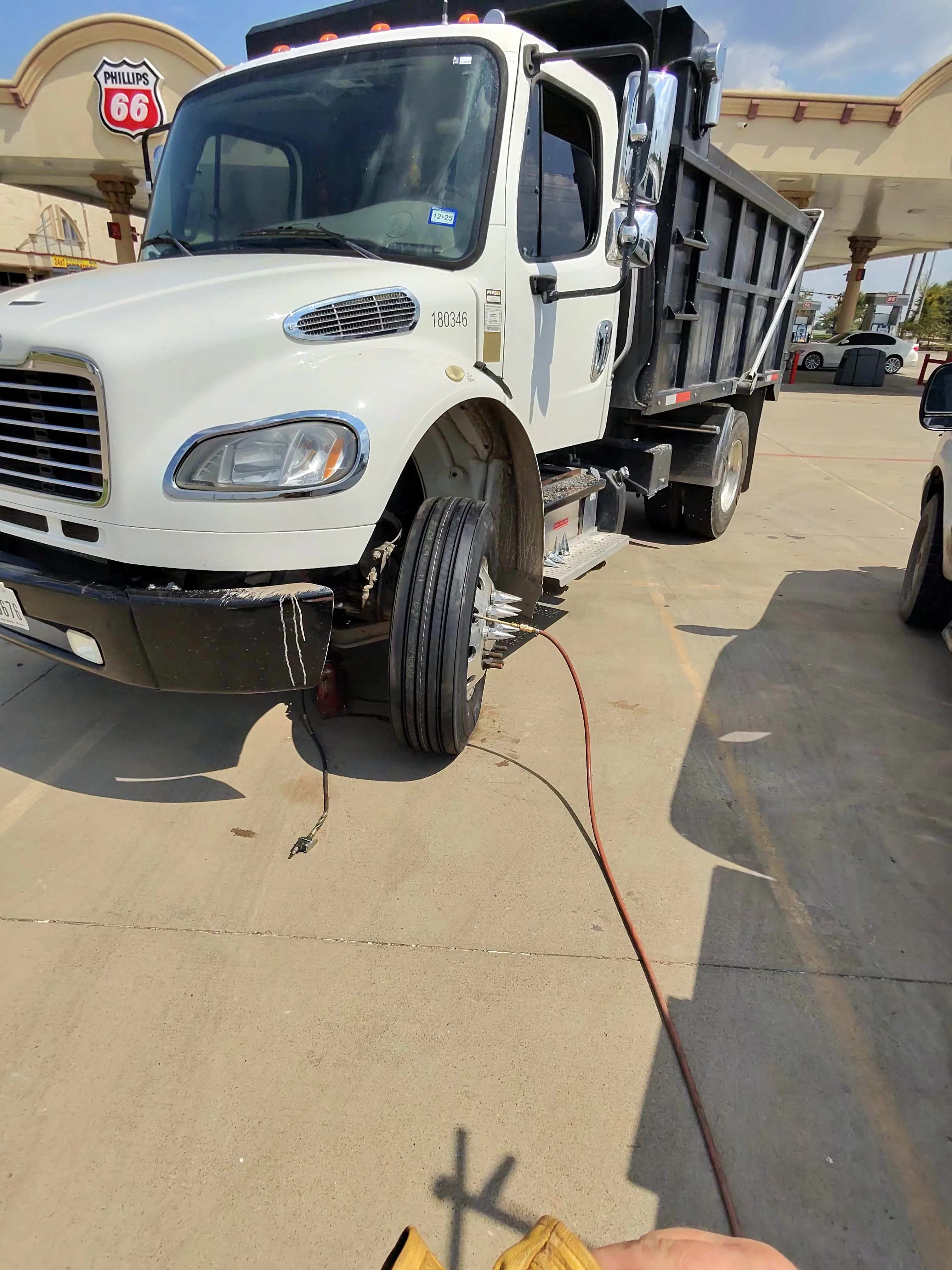
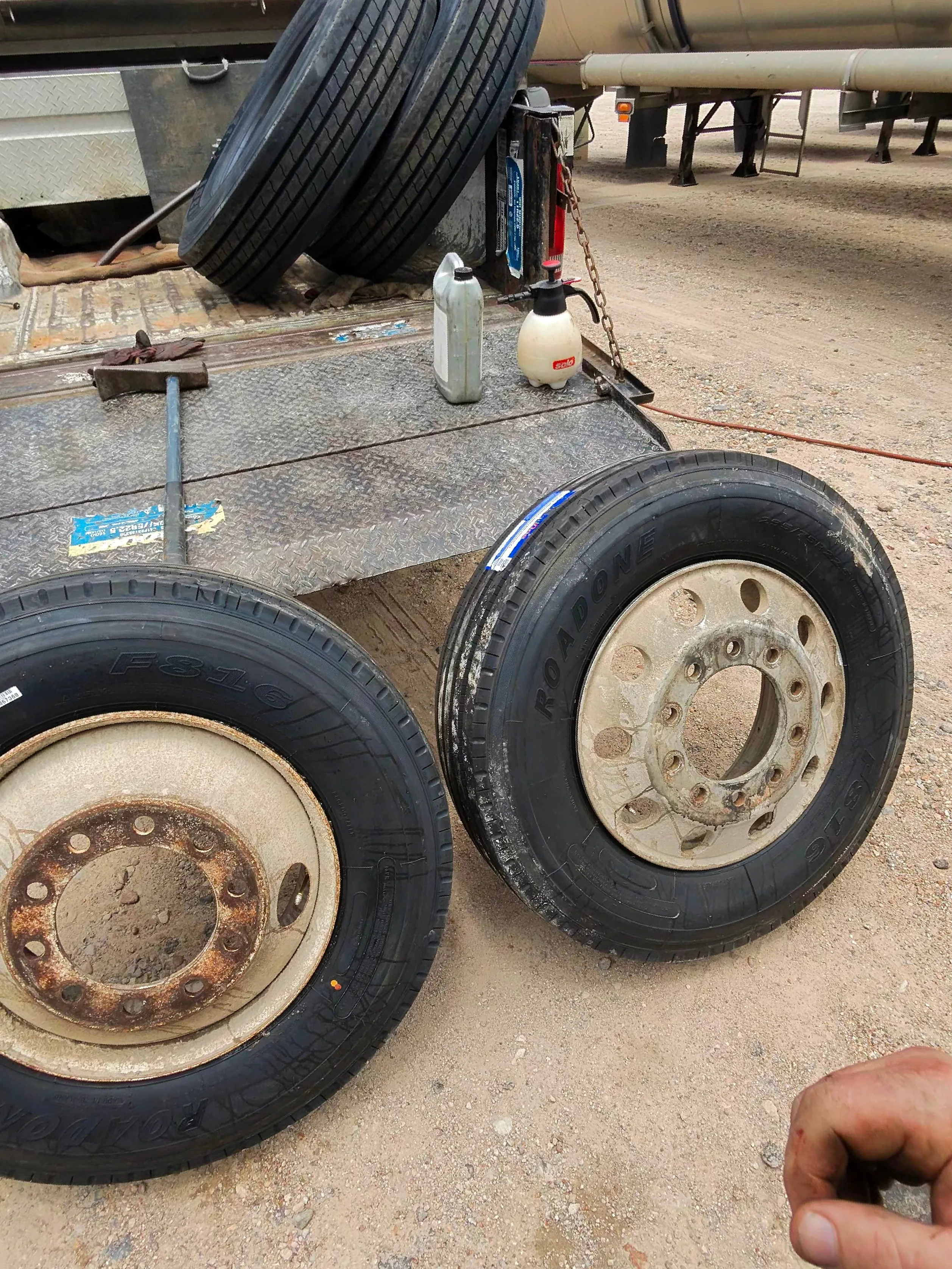
The Tire Specialist carries a full set of gauges and tread‑depth tools on every mobile unit. They can verify pressure on‑site and replace a tire before the driver even leaves the depot.
Key Takeaway:A weekly pressure check plus a monthly tread inspection catches 90 % of tire‑related failures before they become emergencies.
After you confirm pressure and tread, record the numbers. Over time you’ll see patterns, like a specific axle losing pressure faster, that point to alignment or suspension issues.
Step 3: Examine Brakes and Suspension
Brakes are the safety core of any truck. Start by listening for squeal or grind when you apply them. If the pedal feels soft or sinks, the air system may be leaking.
Visually inspect each brake drum or rotor for cracks or excessive rust. Look at the brake shoes for uneven wear. Replace any component that shows more than a 10 % thickness loss.
Suspension parts, leaf springs, shocks, and mounting brackets, need a quick visual check. Look for broken leaves, oil leakage from shocks, or loose bolts.
Mobile services can pull a truck into a lift and run a full brake test on the spot. That saves you the time of hauling the vehicle to a shop.
Mobile tire service providers often include brake inspection in every visit, so you get a complete safety check in one appointment.
By the end of this step you should have a clear list of any brake or suspension parts that need replacement.
Step 4: Service the Engine and Fluids
The engine needs clean oil to stay healthy. Check the dipstick before each long haul. The oil level should sit between the "low" and "full" marks, and the color should be amber, not dark brown or sludgy.
Follow the manufacturer’s recommended change interval for your semi‑truck. If you run in dusty conditions or haul heavy loads, you may need to change sooner.
Coolant, transmission fluid, and brake fluid each have their own service schedules. A quick visual check for color and level can spot problems early.
Fresh oil reduces engine wear by forming a thin film that keeps metal parts from grinding together. Skipping oil changes leads to sludge buildup and eventual engine failure.
The Tire Specialist’s mobile units carry premium oil brands and can perform a full oil change at your yard, eliminating the need to drive a truck to a shop.
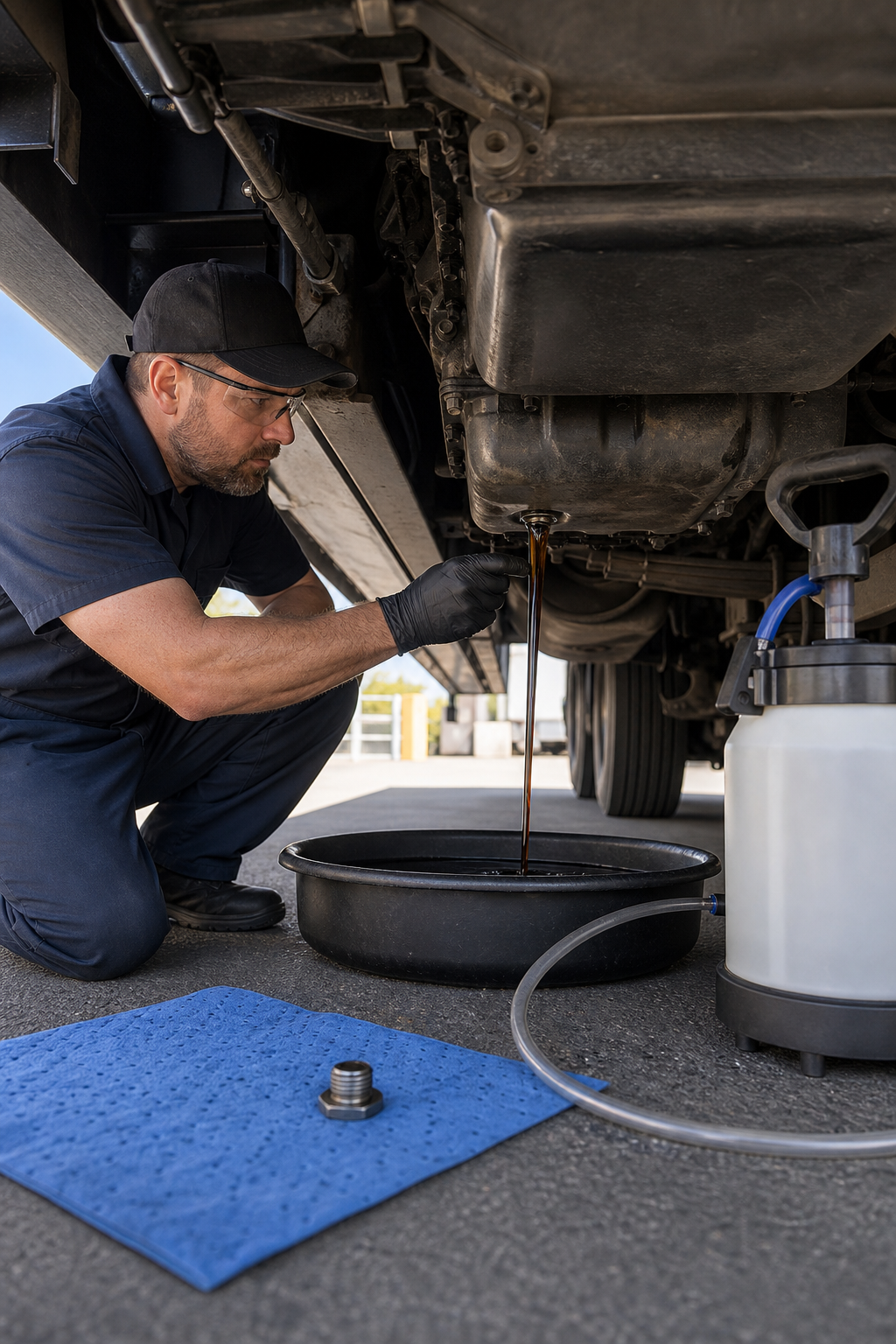
Once the oil and filters are fresh, start the engine and look for any abnormal noises. A smooth idle means the service was successful.
Key Takeaway: Regular oil and fluid checks keep the powertrain running longer and prevent costly engine shutdowns.
Step 5: Schedule Regular Mobile Maintenance Visits
Even the best checklist needs a regular cadence. Set up a calendar, monthly or quarterly, depending on how many miles your fleet logs.
When you book a mobile visit, the technician arrives with a fully stocked truck: tire changers, balancers, pressure gauges, and an oil change kit. They can handle tire repairs, fluid tops, and brake checks in one stop.
Our DFW partner, a local mobile tire service provider, offers flexible scheduling that works around your shifts. That means less downtime and more on‑time deliveries.
Keep a simple log of each visit, date, mileage, services performed, and any follow‑up items. Review the log quarterly to spot trends, like a recurring brake issue on a particular truck.
For a deeper dive, see how to optimize your fleet maintenance program for best results.
By the time you finish this step, you have a proactive maintenance rhythm that keeps trucks on the road and drivers happy.
FAQ
What is preventive maintenance for trucks?
Preventive maintenance for trucks is a scheduled set of inspections and services that keep the vehicle running safely and efficiently. It includes tasks like pre‑trip checks, tire pressure monitoring, brake inspections, and fluid changes performed before problems appear.
How often should I check tire pressure?
You should check tire pressure at least once a week and before any long trip. Cold‑inflated readings give the most accurate number, and they help prevent uneven wear and fuel waste.
Can mobile tire services replace my shop visits?
Mobile tire services can handle most routine tasks, tire repairs, rotations, fluid checks, and minor brake work, right at your yard. They reduce travel time to a shop, but major engine repairs still need a specialized garage.
What fluid levels need the most attention?
Engine oil, coolant, and brake fluid are the three fluids that require regular monitoring. Low oil can cause engine wear, coolant protects against overheating, and brake fluid must stay clean to maintain stopping power.
How do I choose a reliable mobile service?
Look for a provider with certified technicians, a full inventory of on‑site tools, and clear response‑time guarantees. The Tire Specialist meets those criteria and serves the DFW corridor with 24/7 availability.
Ready to tighten up your fleet’s upkeep? Start by scheduling a free on‑site inspection with a qualified fleet maintenance provider and get a custom preventive‑maintenance plan that fits your schedule.
Comments