
How to Get Mobile Tire Service DFW in 2026
Flat on I‑35? A busted tire in a warehouse? You can’t wait for a shop. Here’s a quick, no‑fluff walk‑through that gets help to your truck, trailer or car without the tow.
Step 1: Recognize When You Need Mobile Tire Service
We look for the classic signs: a sudden loss of pressure, a slow leak that won’t stop, a sidewall bulge, or a flat that leaves the vehicle immobile. Those clues tell you it’s time to call a pro instead of trying to drive on a dying tire.
Another cue is the environment. If you’re on a highway, a job site or a busy loading dock, pulling into a shop adds downtime that can cost a fleet hundreds of dollars. A tire failure at speed can lead to loss of control, so swift repair matters.
Even a slow leak can become a blow‑out if you ignore it. A quick visual check for punctures, nail heads or worn tread can save a lot of hassle.

When you spot any of these signs, note the tire size, vehicle make and model, and your exact location. Having that info ready cuts the dispatch time.
Step 2: Choose a Reliable Mobile Tire Provider in DFW
First, look for a provider that covers the whole Dallas‑Fort Worth metro and specializes in commercial trucks. The Tire Specialist fits that bill , they’re TIA‑certified, focus on fleets, and guarantee a response within two hours across DFW.
Other local options include Zohr Mobile Tire Shop, which rolls a high‑tech van with a digital balancer, and Oscar’s 24 HRS Mobile, known for working in any weather. The Mobile Tire Guys promise a 30‑45 minute dispatch, while Mobile Diesel Truck Repair offers 24/7 rapid response for heavy‑duty rigs.
We like to compare the basics: coverage area, response time, fleet programs, and certifications. That’s why we often point fleet managers to our own comparison tool ( Best Mobile Tire Service Fort Worth: Top 10 Picks ). It shows why a dedicated fleet focus beats a generic fast‑response claim.
Ask each provider about their inventory of commercial‑grade tires, wheel‑balancing equipment, and whether they have TIA‑certified techs. Those details matter more than a flashy marketing tagline.
Step 3: Prepare for Your On‑Site Tire Service Appointment
Before the tech arrives, gather these items: the tire’s size code (e.g., 295/75R22.5), the vehicle’s VIN if you have it, and any recent pressure‑monitoring alerts. Having the exact specs lets the crew bring the right spare or replacement.
Clear a safe space for the van to pull up , a well‑lit parking lot, a side‑of‑road pull‑over, or a warehouse dock. Remove any debris that could block the technician’s tools.
Make sure a payment method is ready. Most crews accept credit cards or fleet accounts, so there’s no need for a cash scramble later.
Finally, confirm the estimated arrival window. A good provider will give you a live ETA and a quick way to track the tech’s progress.
For a deeper dive on how commercial fleets keep tires in shape, on Mobile Tire Services Available for Commercial Trucks in DFW . It explains the extra steps fleets can take to reduce emergency calls.
Step 4: What Happens During a Mobile Tire Repair or Replacement
The technician arrives with a fully stocked van , tires, balancer, pressure gauge, and the tools needed for both patch‑up and full replacement. They first inspect the damaged wheel, check for sidewall cuts, and run a quick safety test.
If the tire can be patched, they clean the area, apply a plug‑type patch, and re‑inflate to the manufacturer’s recommended pressure. If the damage is beyond repair, they drop the old tire, mount a fresh one, and balance the wheel on‑site.
All work follows the same safety checklist used in shop bays, just in a mobile setting. That includes torque checks and a final road‑test at low speed.
According to Wikipedia’s tire‑repair overview , a properly installed patch can last as long as the original tread if the sidewall is intact, which is why a quick on‑site fix can be a cost‑effective alternative to a full replacement.
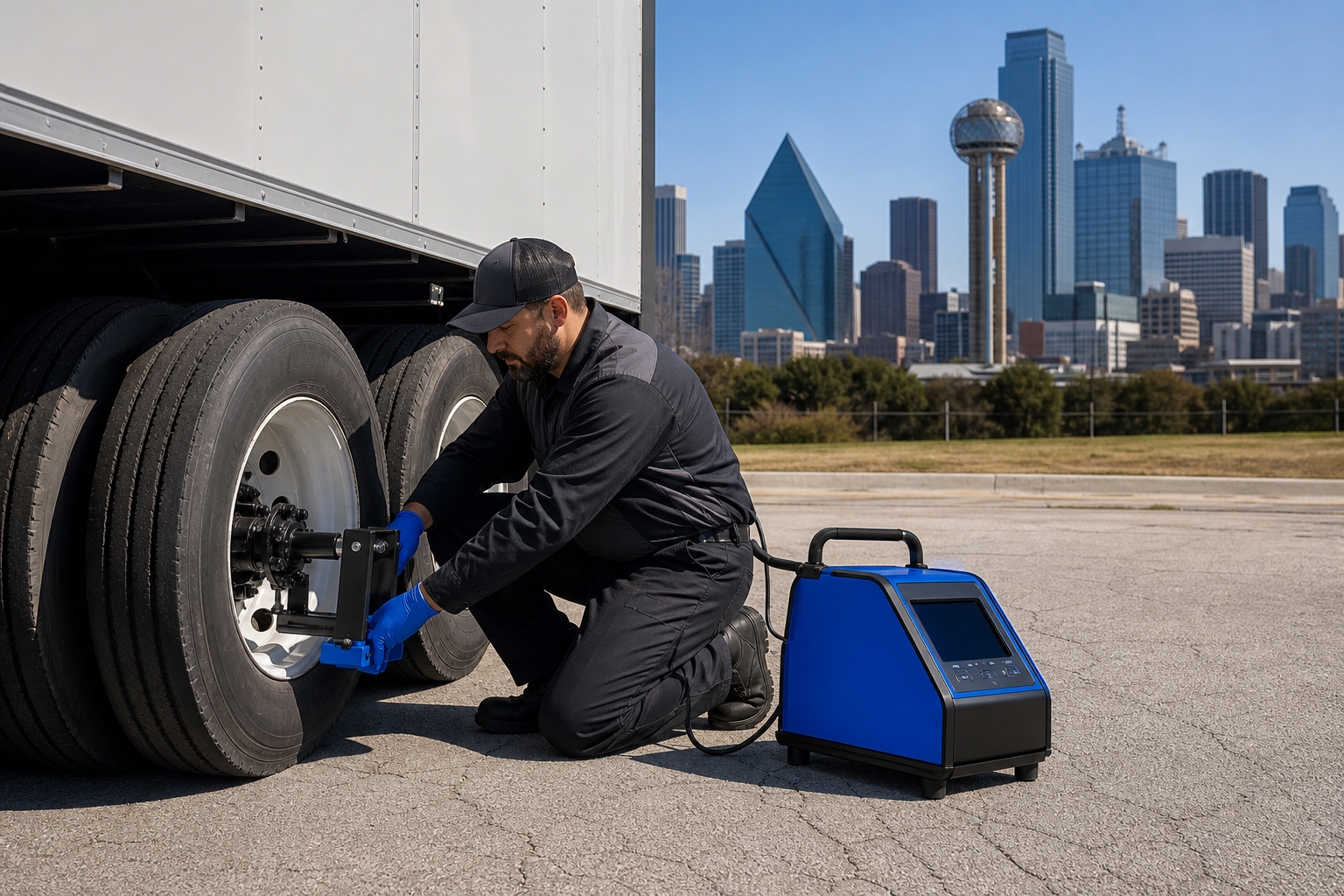
When the job is done, the tech provides a written receipt, notes the work performed, and offers a brief rundown of any follow‑up checks you should schedule.
Step 5: Post‑Service Tire Care and Maintenance Tips
After the repair, keep an eye on pressure for the first 24‑48 hours. A slight drop can mean the patch isn’t sealing fully.
Rotate your tires regularly. Rotation spreads wear evenly, extending tire life and keeping fuel efficiency up.
Set up a regular inspection schedule. For fleets, a quarterly on‑site check catches slow leaks and tread wear before they become emergencies.
If you notice any vibration or uneven wear after a repair, call the service provider right away , it could be a balance issue that needs a second look.
Want to turn tire uptime into profit? Our article on Maximize Your Profits with 24/7 Mobile Tire Services in the DFW Metroplex shows how a solid tire‑maintenance program saves thousands each year.
FAQ
Do mobile tire services work for heavy‑duty trucks?
Yes , they bring the same equipment used in shop bays right to the truck, so you get full‑size tire replacement, balancing and pressure checks without towing.
How quickly can a provider arrive in the DFW area?
Most reputable mobile services aim for a 30‑ to 60‑minute window; The Tire Specialist typically reaches you within two hours even during peak traffic.
Are mobile technicians certified?
Many are TIA‑certified; The Tire Specialist’s techs hold that certification, which guarantees they follow industry‑standard repair procedures.
Can I get emergency service at night?
Yes , providers that list 24/7 availability, like The Tire Specialist, will dispatch a crew any time you call, day or night.
Will the mobile unit have the exact tire size I need?
Good providers keep a broad inventory of commercial‑grade sizes and will confirm availability before they leave the depot.
What should I do if my tire blows out on a highway?
Pull safely to the shoulder, turn on hazard lights, and call a mobile service immediately; they’ll handle the repair on the spot and get you back moving.
Ready to stop the wait? Schedule a call with The Tire Specialist today and let the experts bring the shop to your fleet.


Comments