.png)
How to Handle an 18 Wheeler Tire Blowout Safely
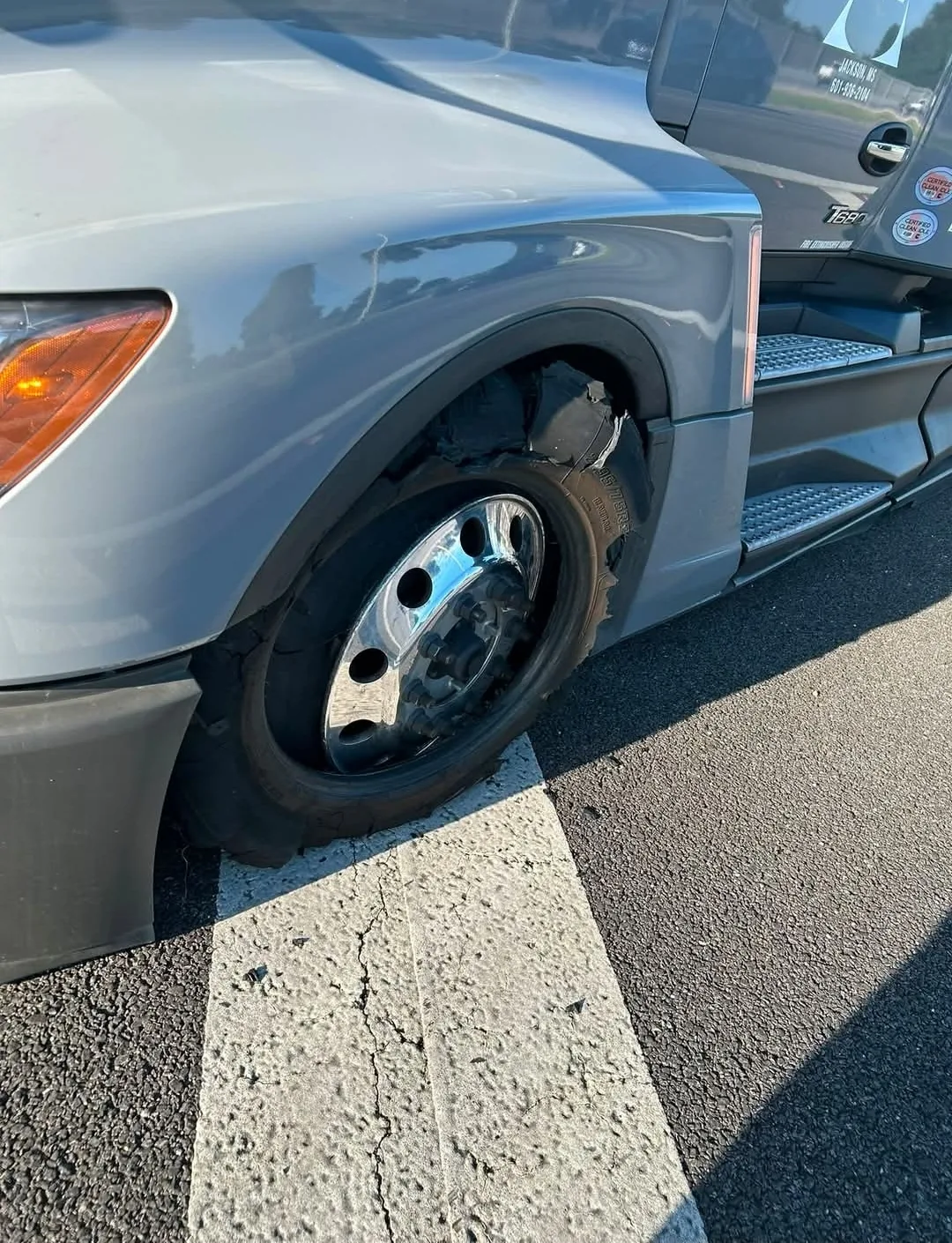
Sudden tire loss on a big rig can feel like a nightmare. You have only seconds to keep the rig steady and get out of traffic. Follow these five steps to stay safe, call the right help, and keep your fleet moving.
Table of Contents
Step 1: Keep Control of the Truck After the Blowout
The first thing you must do is keep the truck moving forward. A steer‑tire blowout will pull the rig toward the flat side, so you need forward thrust from the drive wheels to counter that pull.
Press the accelerator gently but firmly. You don’t need to speed up; you just need enough power to keep the rig straight. At the same time, hold the wheel with both hands and make only a small steering correction toward the lane center. Avoid slamming on the brakes because that removes the forward force and can let the rig spin.
By staying calm and applying steady power, the truck stays under control. This blowout guidance supports maintaining steady power and making minor steering adjustments to help keep the truck under control.
Keep your seat belt on. It keeps you seated and lets you steer more effectively when the rig jolts.
Once the rig is stable, you can begin to slow down gradually. Use the service brakes lightly if traffic permits.
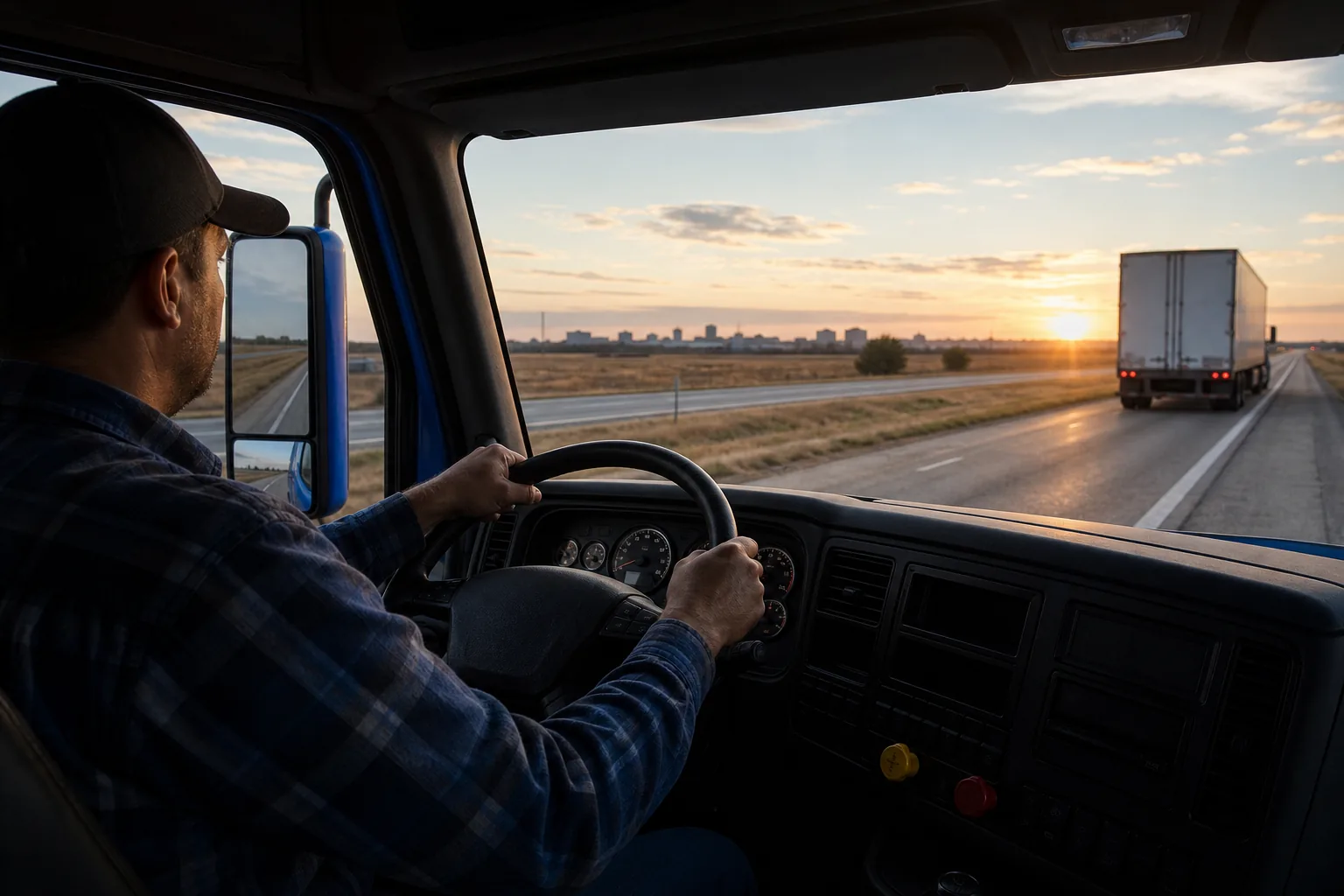
Need a quick refresher on the exact technique? Check our semi‑truck blowout guide for a visual walk‑through.
Key Takeaway:Apply steady throttle, hold both hands, and make tiny steering tweaks , that’s how you keep the rig steady.
Step 2: Secure the Scene and Move Away From Traffic
When you have control, turn on the hazard flashers right away. The flashing lights warn other drivers that you’re dealing with an emergency.
Look for a wide shoulder, a rest area, or a parking lot where you can pull the rig completely off the travel lane. If you’re on a busy highway, stay inside the cab until you reach a safe spot behind a guardrail or solid barrier.
Take steps to keep the rig from rolling while you work.
Use appropriate roadside warning equipment behind the truck. In low‑visibility conditions, it gives oncoming traffic a clear cue to slow down.
When the scene is secure, you can step out on the passenger side, away from traffic, and start gathering information.
Remember, staying visible and keeping the truck from moving are the two biggest factors that stop a secondary crash.
Pro Tip:If the weather is wet, take extra steps to improve visibility around the rig.
Step 3: Check for Immediate Hazards Without Touching the Tire
Before you get close to the tire, scan the area for secondary dangers. Look for broken axle parts, leaking air‑brake lines, or cargo that might shift.
Take a quick photo of the tire from a safe distance. Capture the sidewall, tread, and any visible damage. Do not crouch or climb under the rig , the sidewall could burst if it’s overheated.
Note any road debris that may have caused the blowout. A nail, a piece of metal, or a pothole can be important evidence for the repair tech.
Document the time, mile marker, weather, and traffic conditions. This information speeds up the dispatch process and helps the technician pinpoint the cause.
When you’ve gathered the data, call your dispatch center. A qualified roadside team can read your notes and bring the right tire and tools straight to the spot.
For a deeper look at what to capture, see the commercial‑truck blowout checklist .
These precautions underscore the need for swift, safe action. Tire safety guidance can reinforce the same steps.
Step 4: Arrange On‑Site Commercial Tire Help in DFW
Now that the scene is safe and you have the facts, it’s time to call a mobile tire service. In the Dallas‑Fort Worth area, a fast response can mean the difference between a few minutes of downtime and hours of lost revenue.
The Tire Specialist offers 24/7 coverage, a customized fleet‑maintenance program, and TIA‑certified technicians. Their typical dispatch time is under 30 minutes, which matches the industry average of 35 minutes and beats many competitors that promise “within an hour.”
When you call, be ready to give the tire size, axle position, and the damage you photographed. The technician will confirm whether they need a lift, a spare tire, or additional equipment.
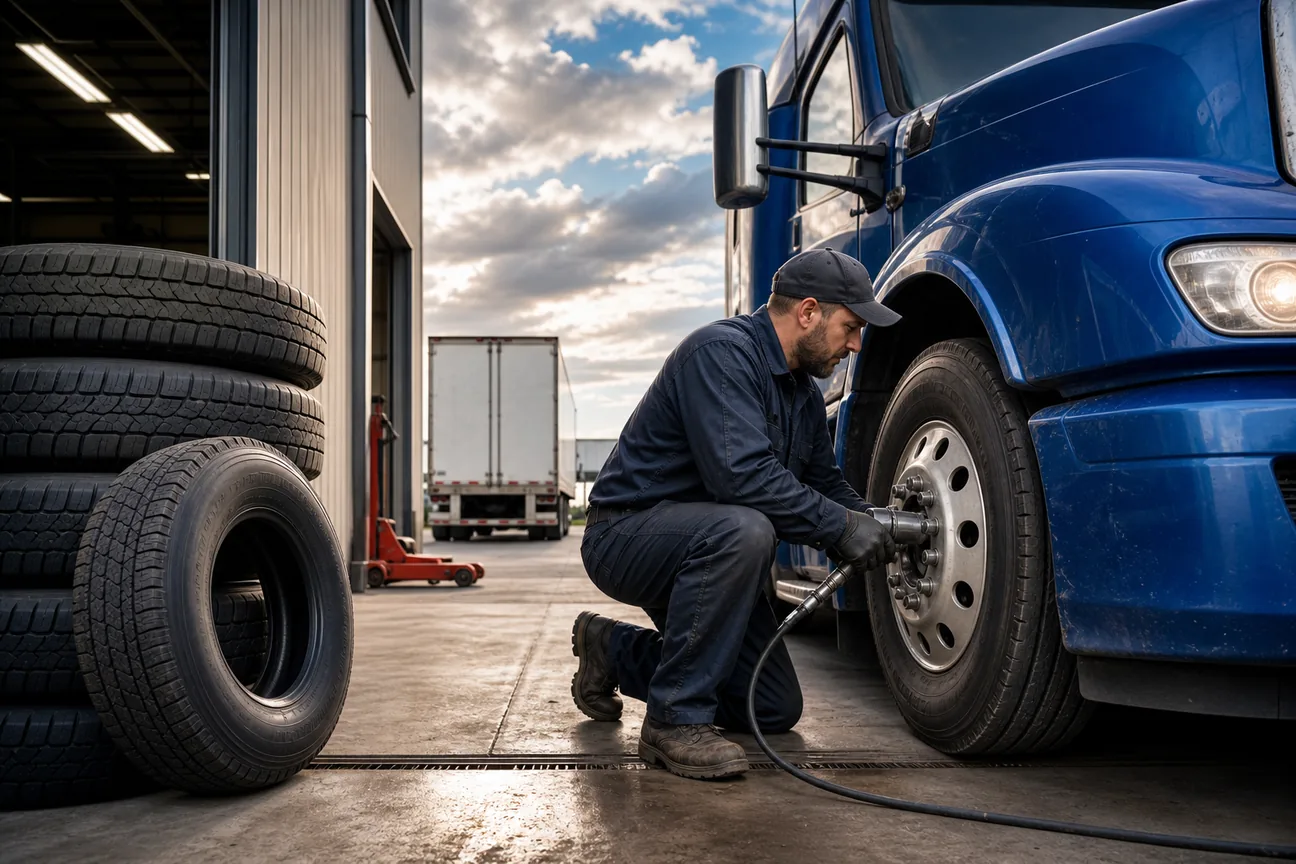
Because The Tire Specialist stores a full range of commercial‑truck tire sizes on their trucks, they can replace the blown tire on site in most cases , no tow needed.
For a quick overview of what a DFW mobile‑tire provider should offer, read top steps for mobile tire repair in Dallas . It outlines the exact questions you should answer before the tech arrives.
While you wait, stay inside the cab or behind a solid barrier. Keep an eye on traffic and be ready to move if a vehicle approaches too closely.
Step 5: Prevent the Next 18 Wheeler Tire Blowout
Prevention starts with regular pressure checks. Under‑inflated tires generate heat from extra flexing, and that heat can cause a catastrophic failure. The DOT code on the sidewall tells you the recommended cold pressure , usually 105‑110 psi for steer tires on a loaded semi.
Check pressure when the tires are cold, at least three hours after the truck has stopped. Use a gauge to check the pressure.
Rotate the tires at regular intervals. Even wear prevents hot spots that can weaken the sidewall.
Inspect the sidewalls for cracks, bulges, or exposed cords every week. In the Texas heat, sidewall fatigue can happen fast.
Keep an eye on load limits. Overloading raises internal stress and speeds up heat buildup.
When you follow a disciplined inspection routine, you cut the risk of blowouts dramatically. Studies show that 90 % of tire failures are preventable with proper maintenance.
For general background, see this tire‑blowout reference.
Set up a fleet‑wide tire‑health tracking system. The Tire Specialist can integrate pressure‑monitoring data into your maintenance software, giving you alerts before a tire reaches a dangerous condition.
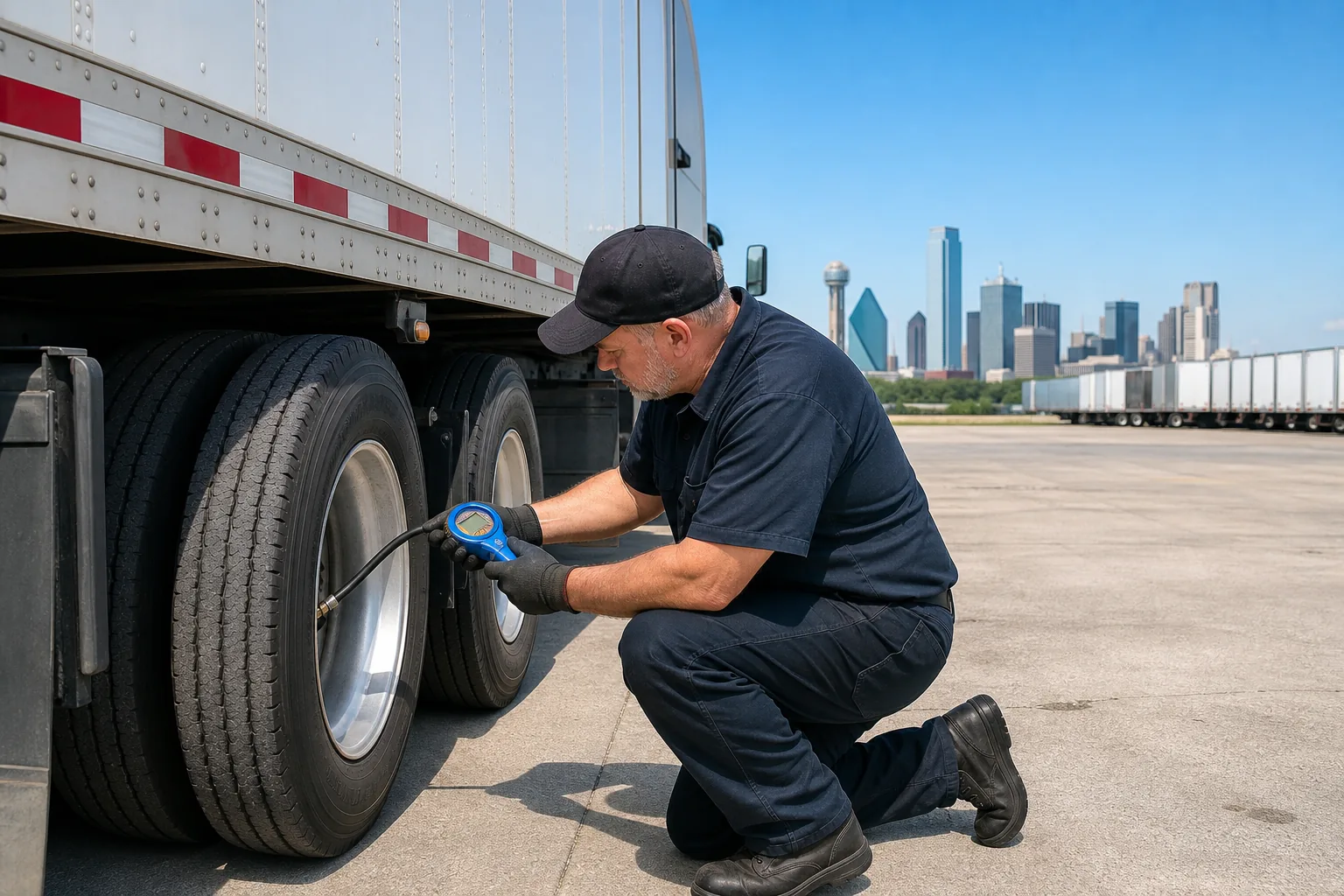
Make tire safety a routine part of every driver’s pre‑trip checklist. A few minutes each day saves hours of downtime later.
FAQ: 18 Wheeler Tire Blowouts
What should I do the instant a tire blows out?
Keep the accelerator on low, hold the wheel with both hands, and steer gently back toward the lane. Avoid slamming the brakes until the rig is stable.
Is it ever safe to drive on a flat tire?
No. Driving on a flat can damage the rim, suspension, and brake components, turning a simple repair into a costly shop visit.
How fast can a mobile tire service reach me in DFW?
The Tire Specialist typically dispatches a technician within 30 minutes, which is faster than the regional average of about 35 minutes.
Do I need to carry a spare tire on a semi?
Most fleets rely on mobile‑tire providers for emergencies because a spare for an 18‑wheeler is heavy and expensive. Having a reliable service on call is more usable.
What are the most common causes of a blowout?
Under‑inflation, over‑loading, road debris, and worn tread are the top reasons. Regular pressure checks and inspections catch most of these early.
Can a tire‑blowout cause cargo damage?
Yes. A sudden loss of air can shift the load, damage the trailer frame, or even spill cargo. That’s why securing the scene quickly is critical.
When a blowout happens, act fast, stay safe, and call The Tire Specialist for on‑site repair. Their 24/7 team will get you back on the road with minimal downtime.


Comments