
Semi Truck Tire Replacement Cost: What to Know
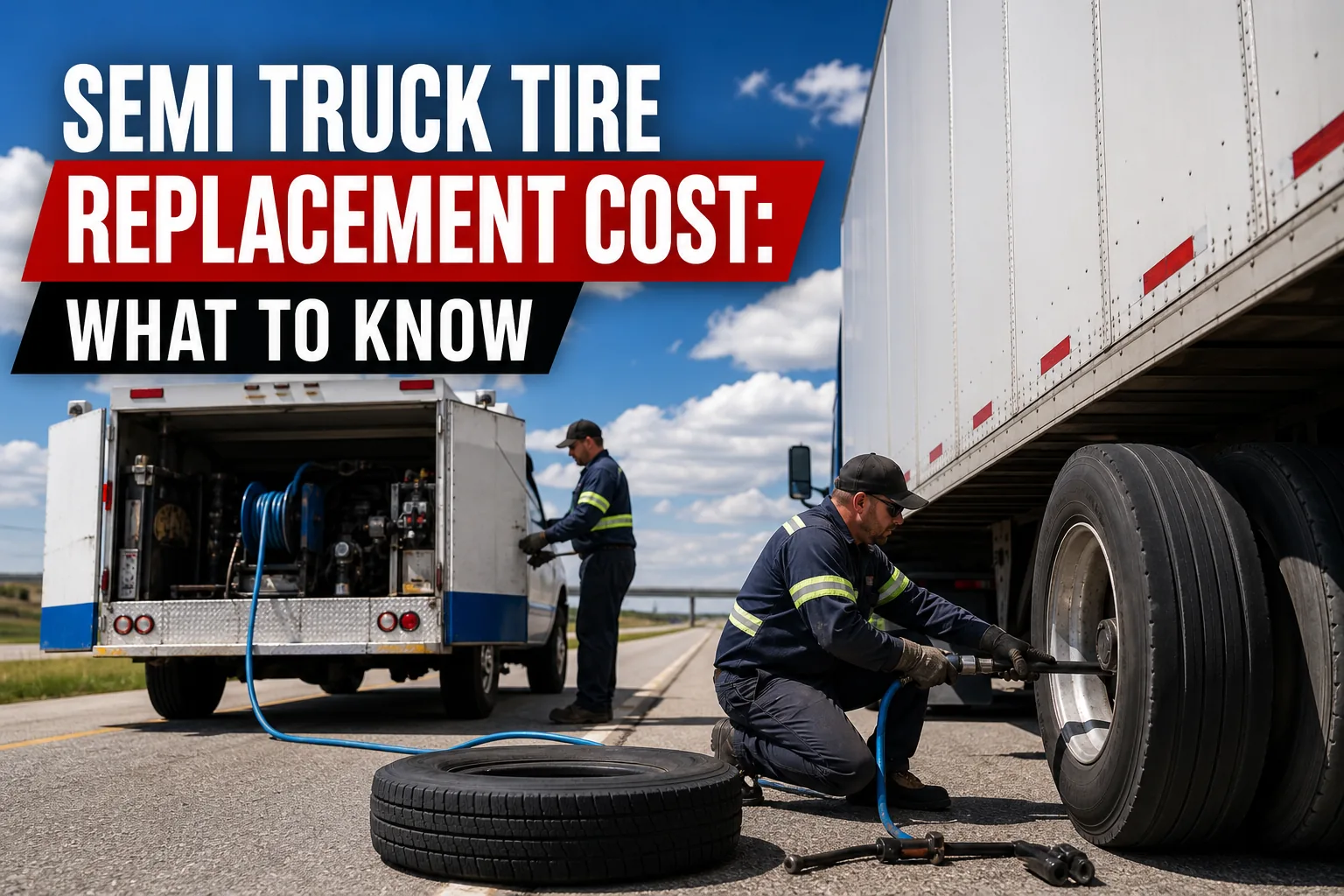
Got a flat on the highway? You need a quick, reliable fix. Here’s the straight‑talk on semi truck tire replacement, the steps involved, and how to keep downtime low.
Table of Contents
What Semi‑Truck Tire Replacement Involves
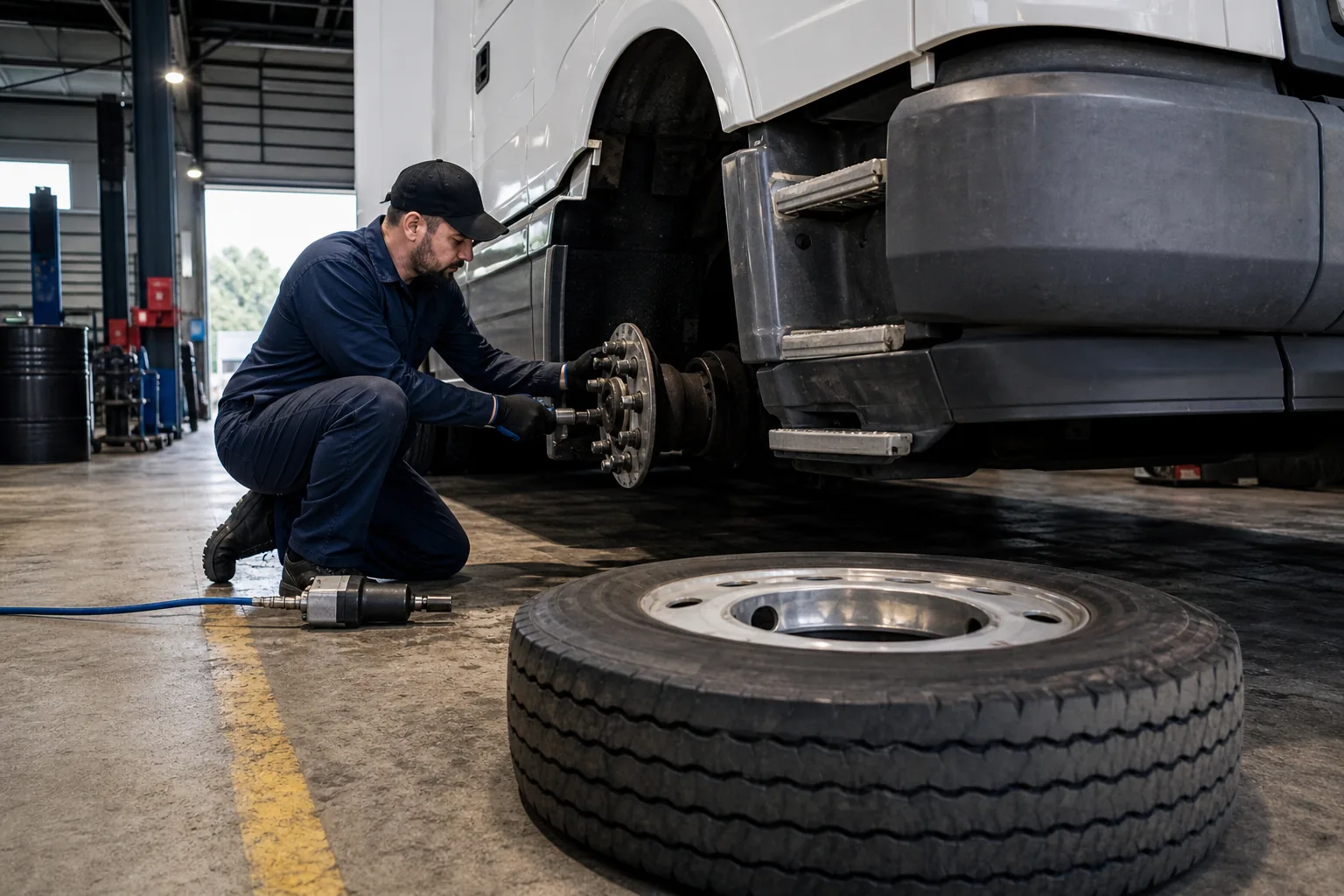
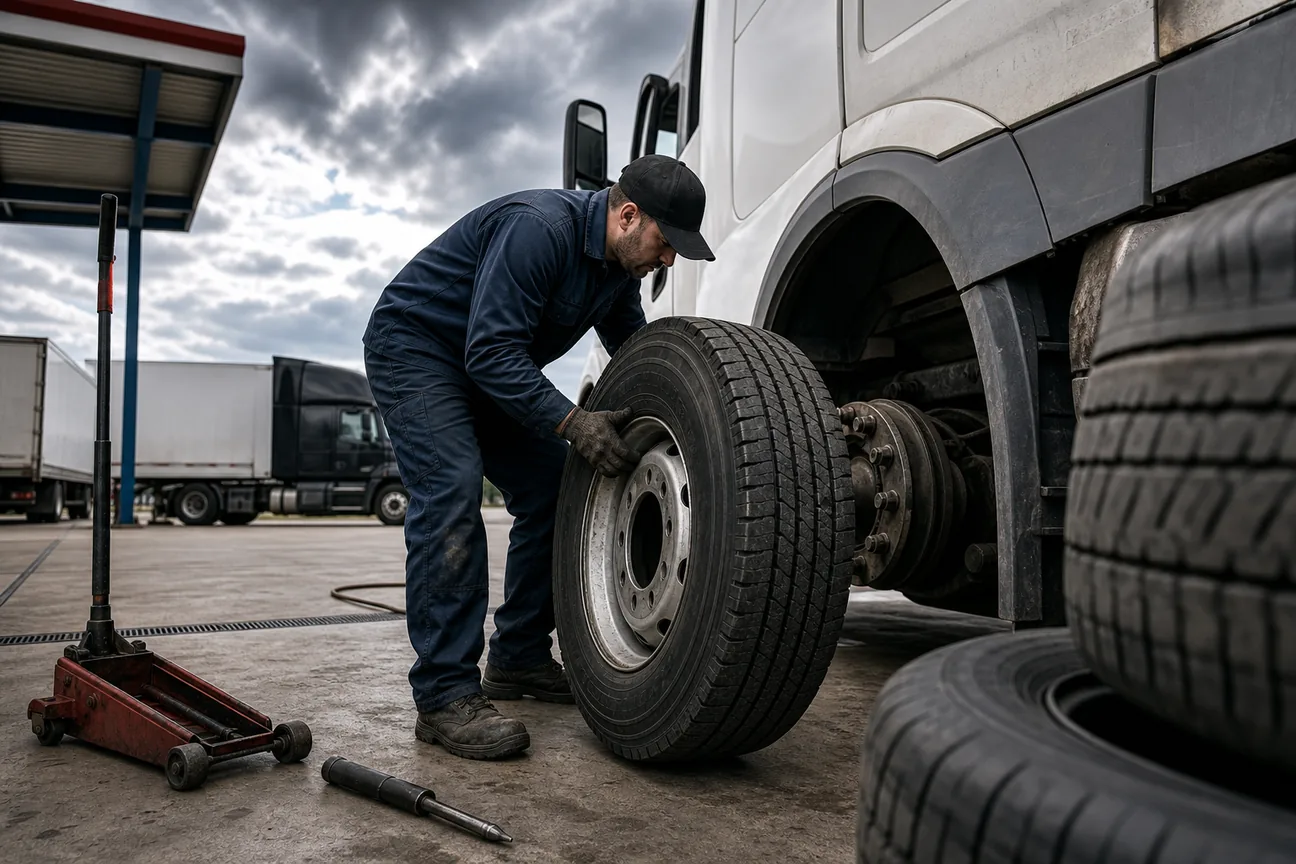
Replacing a tire on a Class 8 rig is more than swapping a rubber ring. A tech first inspects the damage, checks tread depth, and confirms the tire matches the vehicle’s load rating. Then the old tire is removed, the wheel is cleaned, and a new or retreaded tire is mounted on a properly balanced wheel. Finally, the lug nuts are torqued to the manufacturer’s specification and the tire is inflated to the recommended pressure.
The whole process follows the same safety standards you’d see in a shop, but the equipment travels to you, a service truck with a heavy‑duty lift, a portable balancer, and torque wrenches that read out exact values. The tech also runs a quick visual check for sidewall cuts, valve stem damage, and tread wear that could cause future failures.
Because the service comes to the truck, you can skip the tow and get back on the road faster. For fleets, that means fewer missed deliveries. If you need a step‑by‑step walkthrough of the whole replacement workflow, see our Commercial Truck Tire Replacement Near Me: Next Steps guide.
Why Axle Position and Tire Specifications Matter
Every semi has three axle groups, steer, drive and trailer, and each group needs a tire built for its job. The steer axle bears the steering forces, the drive axle handles propulsion and braking, and the trailer axle carries the bulk of the load. Using the wrong tire type can cause uneven wear, higher fuel use, and even safety violations.
Tires are built for their position. Steer tires are made for steering loads and direction changes, drive tires for traction and heat under drive torque, and trailer tires for load‑bearing. Check the sidewall markings and the maker’s guidance for your axle.
Size matters too. The width, aspect ratio, and rim diameter determine the contact patch, rolling resistance, and clearance in the wheel well. For example, a 295/75R22.5 tire offers a wider footprint than a 275/70R22.5, which can improve traction but may raise fuel consumption.
Choosing the right combination of size, load index, speed rating, and position code helps keep the rig running smoothly and tires in suitable condition.
Key Takeaway:Match tire specifications to axle position and load rating to avoid premature wear and stay compliant.
Mobile Roadside Replacement vs. Shop Service
When a tire blows out on the road, you have two options: wait for a shop or call a mobile service. A shop gives you a controlled environment, a full inventory of tires, and access to heavy equipment like tire changers and balancers. The downside is the time lost traveling to the shop and waiting for the job to finish, often a full day for a large rig.
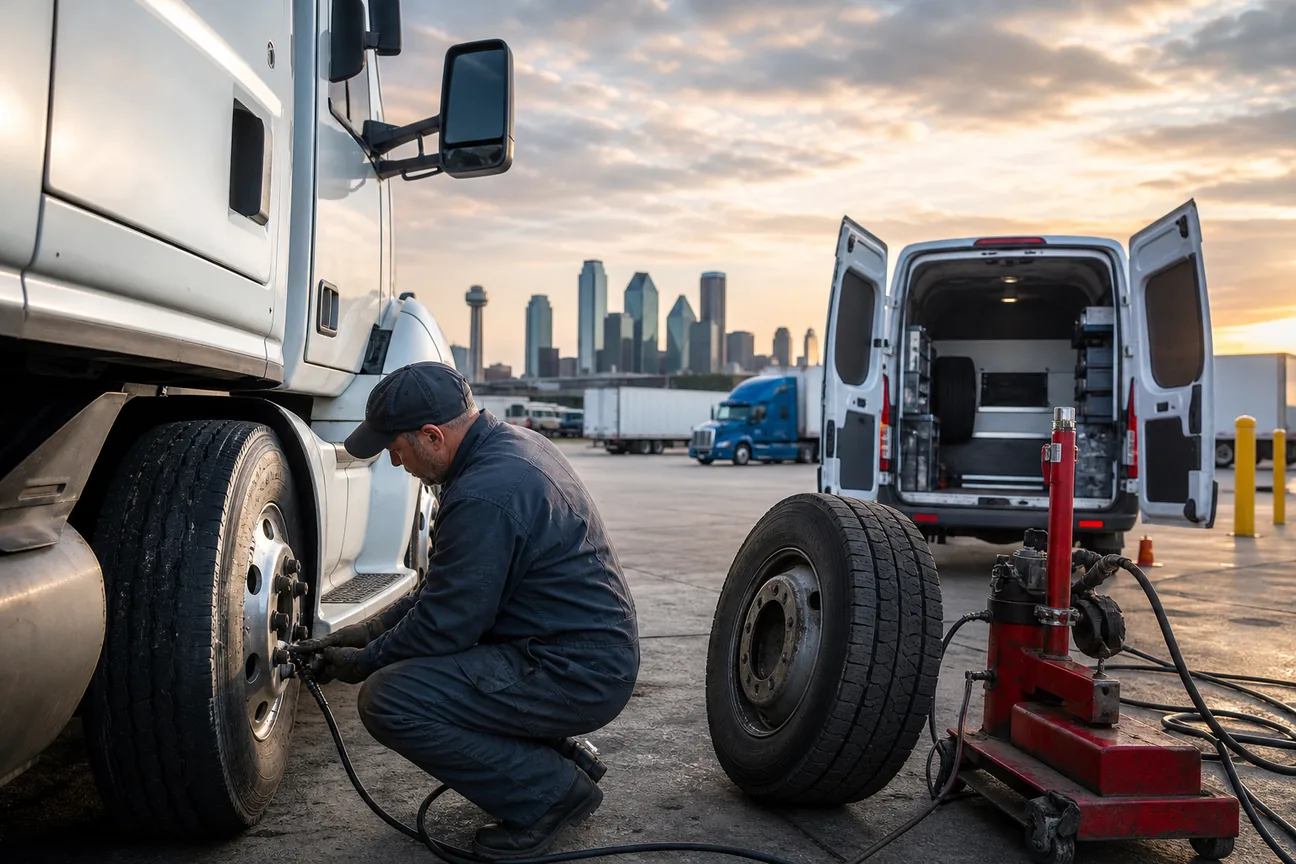
Mobile roadside service brings the shop to you. Technicians carry a stock of common sizes and the tools needed for a one‑call fix.
The trade‑off is inventory. Mobile units may not have rare or specialty sizes on hand, so a larger order could add a day or two while the part ships. Shops, on the other hand, can order any size and have it ready for the next scheduled service.
For fleets that need fast help, the on‑site model reduces downtime because the tire is handled where the truck sits.
Learn more about setting up an on‑site program in our Top Guide to On‑Site Truck Tire Replacement for Fleets .
What Happens During a Professional Tire Change
A professional change starts with safety. The driver pulls off the road, sets out reflective triangles, and engages the parking brake. The tech then lifts the wheel using a hydraulic jack that matches the truck’s weight class.
Next comes tire removal. The lug nuts are loosened with a torque wrench set to the vehicle’s spec, usually around 450‑500 ft‑lb for most semi trucks. The wheel is taken to the service truck, where it’s cleaned of debris and the bead is inspected for damage.
Mounting the new tire involves seating the bead on the rim, inflating it just enough to seat the bead fully, and then inflating to the final pressure. The tech checks the tire’s sidewall for any defects and runs a quick visual inspection for proper tread depth.
Finally, the wheel is bolted back to the axle, and the torque is verified again. A pressure gauge confirms the correct psi, typically 95‑110 psi for most highway loads, but the exact number comes from the tire manufacturer’s data sheet.
After the job, the technician logs the service in the fleet’s maintenance system and notes any wear patterns that could signal suspension or alignment issues.
Pro Tip:Keep a record of each tire’s mileage and pressure checks; trends in uneven wear often point to underlying suspension problems before they cause a breakdown.
Repair, Replacement, or Retread: Understanding the Options
Not every damaged tire needs a full swap. Small tread punctures under ¼ inch can be patched with a plug or a patch‑in‑plug combination. The repair must be on the tread side, not the sidewall, and must meet DOT standards for a safe seal.
When the damage is beyond the tread, sidewall cuts, large tread separations, or tread depth below the legal minimum, replacement is the only safe choice. A new tire gives you a fresh tread, full load rating, and the warranty that comes with the brand.
Retreading offers a middle ground. A used tire carcass is stripped, inspected, and a new tread is bonded on. Retreads are allowed on non‑steering axles and are built to meet the same load specifications.
For fleets, the decision often hinges on availability, tire condition and the axle position. A drive‑axle tire that’s close to the end of its life might be a good candidate for retread, while a steer‑axle tire should be replaced new.
Frequently Asked Questions
What affects a semi truck tire replacement?
The replacement depends on tire size, brand, whether you choose new or retread, and service needs.
How long does a mobile tire replacement take?
A straight replacement is faster when the correct tire size is on hand.
Can a mobile service handle dual‑wheel configurations?
Yes, many mobile units carry the lift capacity and tools needed for dual‑wheel setups, and they can balance each tire on‑site.
When should I consider retreading instead of buying new?
Retreading makes sense for non‑steering axles when the tread depth is still above the legal minimum and the carcass passes a thorough inspection. It can be an option without sacrificing safety.
How do I know if a tire needs replacement versus repair?
If the damage is on the sidewall, exceeds ¼ inch, or the tread depth is below the applicable minimum, replacement is required. Small tread punctures can be safely repaired.
For detailed signs that it’s time for a new tire, check our When to Replace Truck Tires: Essential Guide for Fleet Safety .
Conclusion
For Dallas‑Fort Worth fleets, The Tire Specialist provides mobile tire repair, replacement and roadside assistance for commercial trucks. Reach out today to learn how mobile service can help keep your trucks rolling.
Comments