.png)
Best Tire Rotation for Trucks: 4 Service Options
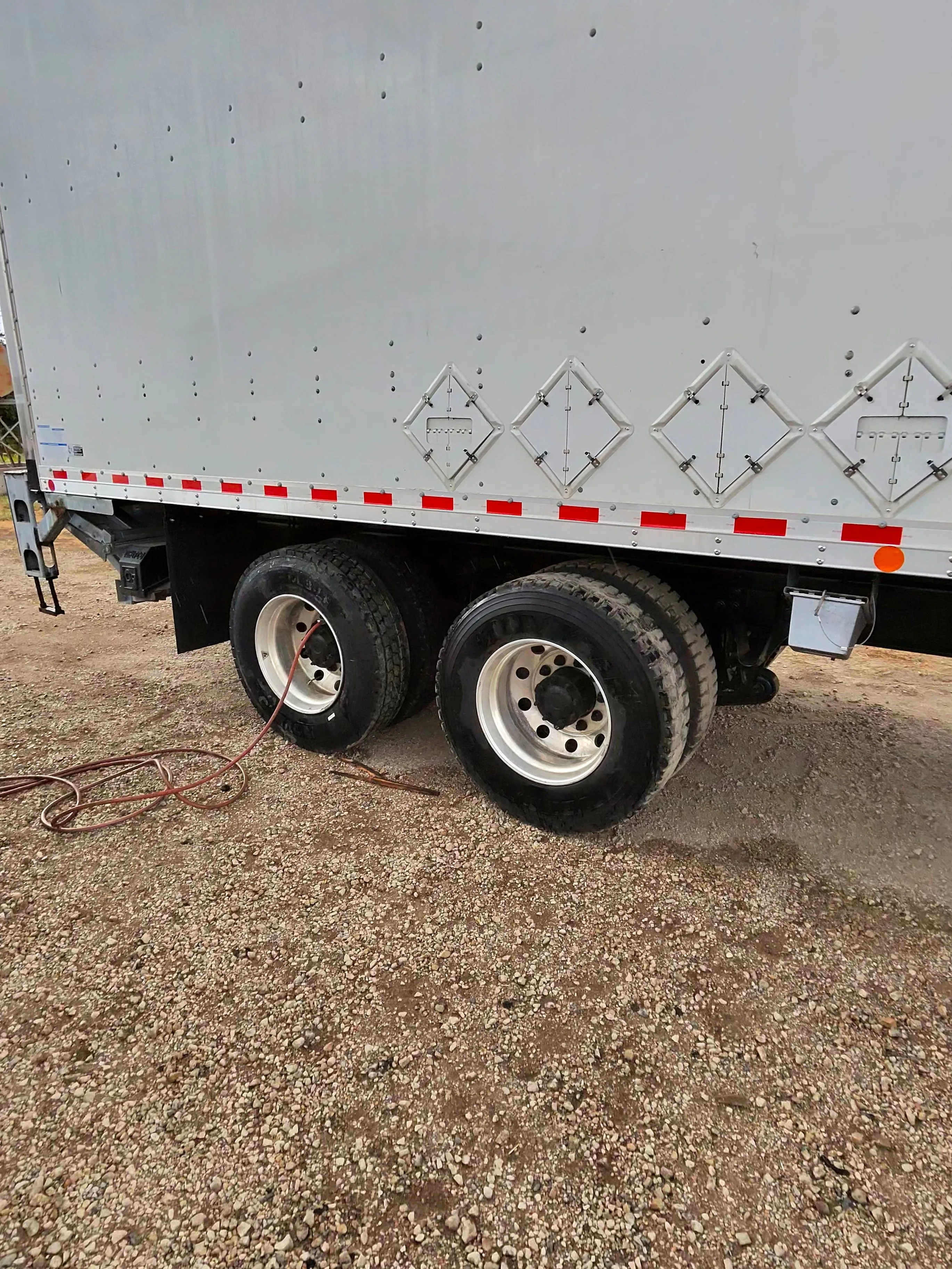
Choosing tire rotation for trucks means finding a service that fits the truck, its tires, and its work. Fleet managers should confirm key service details before booking. Rotation can help manage uneven wear, but heavy-duty trucks may need more than a routine tire swap.
We analyzed 59 comments and questions from YouTube, Reddit and Quora about tire rotation for trucks and found that 22% mentioned different rotation patterns for drivetrains and tire types.
Table of Contents
1. The Tire Specialist
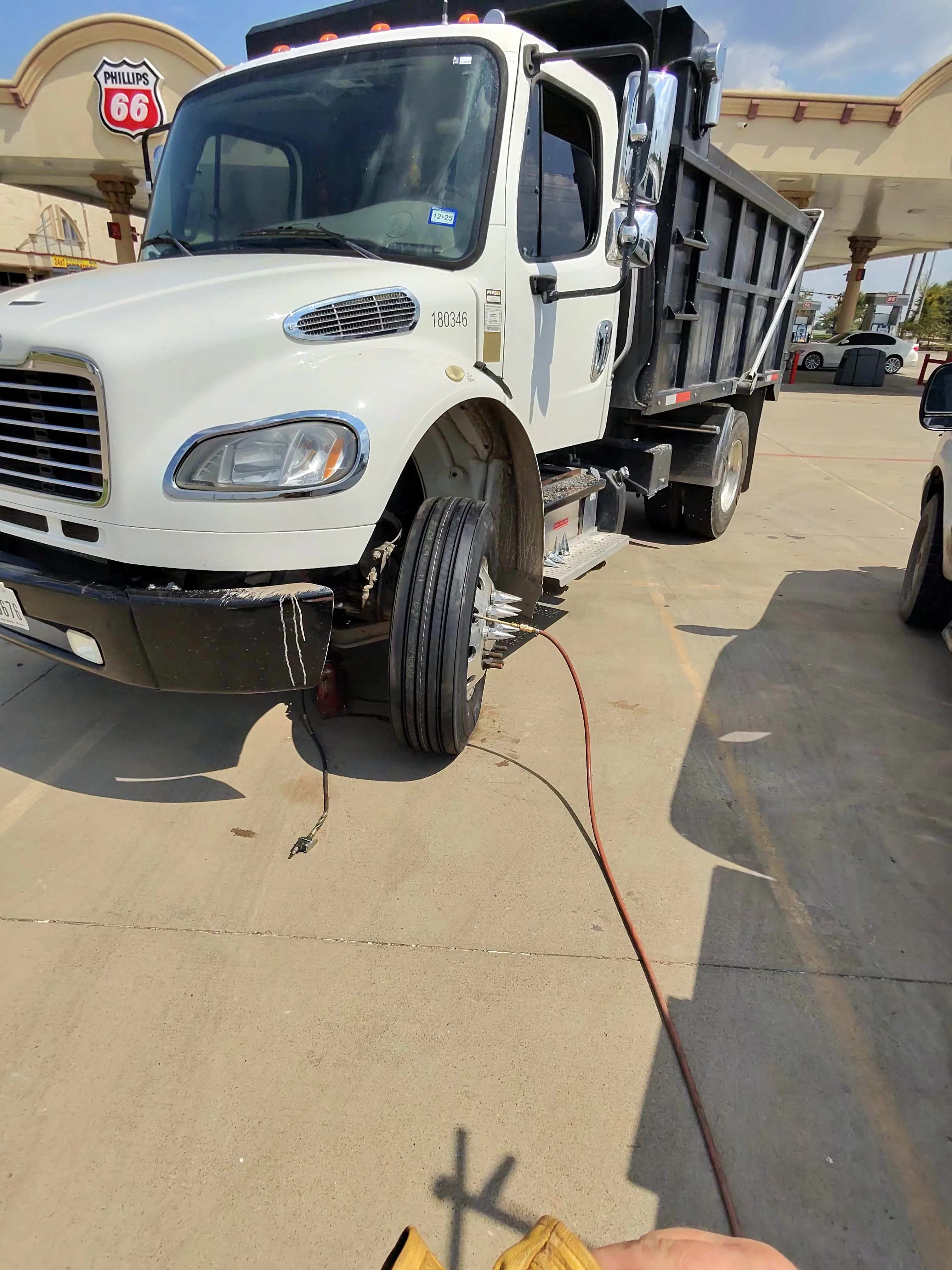
For DFW commercial fleets, The Tire Specialist provides on-site tire repair, replacement, and roadside assistance for commercial trucks and fleet vehicles. We’re a fit when the tire problem needs attention where the truck is, rather than only a rotation appointment at a shop.
That broader service scope can matter when a driver finds a damaged tire during a route or a truck can’t safely continue. A rotation is planned maintenance. A repair or replacement need may be urgent, so fleet managers should choose a provider based on the work the truck actually needs.
We recommend confirming the truck type, axle setup, tire direction, and service location when arranging help. Rotation service availability varies by provider, and the right pattern depends on the tire and vehicle maker’s guidance. Our mobile truck tire repair page covers the related on-site service scope.
For fleet planning, keep rotation dates and tread observations in the same maintenance record. Our semi-truck rotation interval guidance discusses using a mileage window as a starting point, then adjusting for route and load conditions.
Key Takeaway:Choose The Tire Specialist when a DFW commercial truck needs on-site repair, replacement, or roadside assistance, not only a scheduled rotation.
2. Star Tire Company, Inc.
Star Tire Company, Inc. is a shop-based option with online appointment scheduling. Its stated hours are Monday through Friday, 7:30 AM to 5:00 PM, which gives fleet managers a clear window to plan a visit.
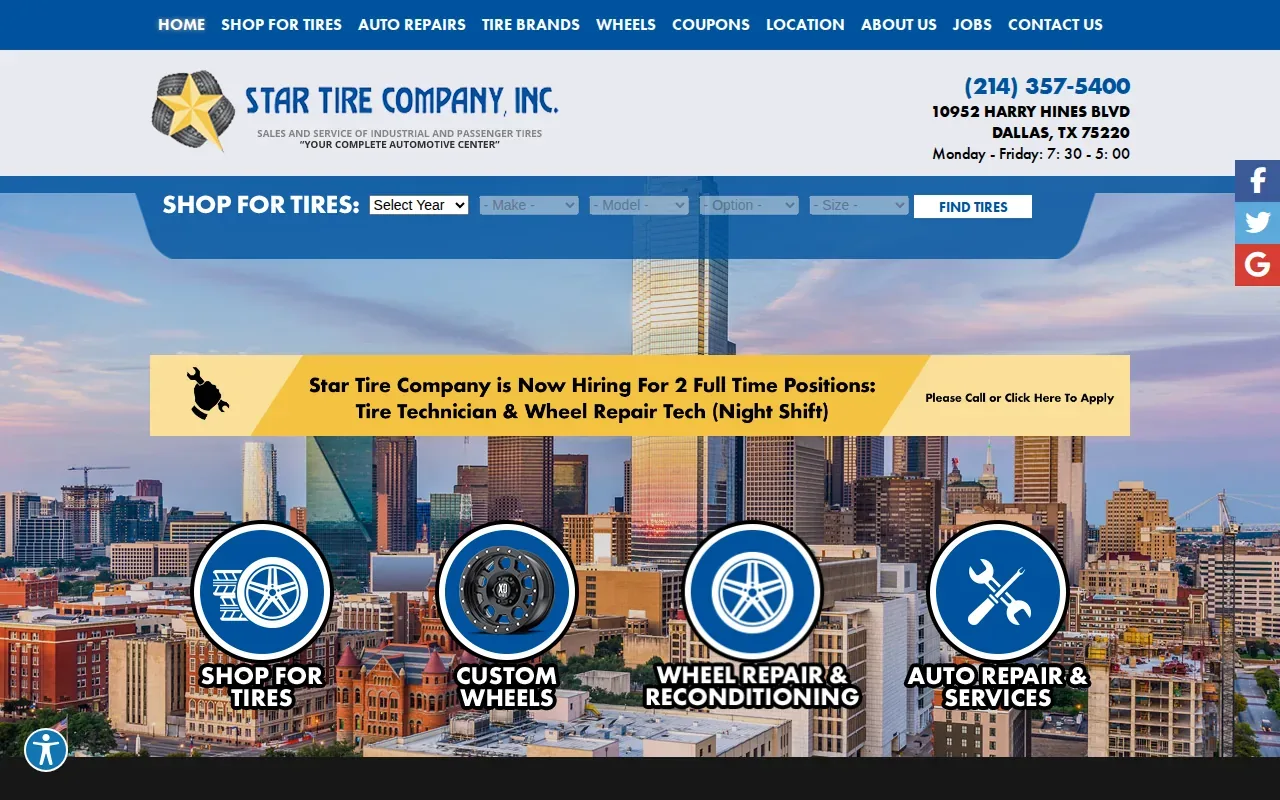
For a routine rotation, a scheduled shop appointment may suit a truck that can leave its route and reach the service location. Before booking, confirm that the provider can handle the truck’s weight class, wheel layout, tire type, and requested rotation pattern. Those details matter for heavy-duty and dual-rear-wheel trucks.
Ask what the appointment includes. A rotation may be paired with an inspection, pressure check, balancing, or other work, but service details can vary. If a tire shows a bulge, cut, exposed cord, or unusual wear, describe it when making the appointment so the shop can determine what service fits.
When booking around a fleet’s schedule, compare the appointment window with the truck’s next planned stop or maintenance window. This option is most relevant when the truck can travel to a shop during the stated weekday hours.
3. Big Tex Tire & Service
Big Tex Tire & Service is a mobile tire service for the Dallas-Fort Worth metroplex. Its services include mobile tire repair and tire replacement, with technicians dispatched to the vehicle’s location.
That mobile model can help when a truck can’t conveniently travel to a shop. But the services are repair and replacement, so confirm directly whether a planned rotation is available for your truck. Don’t assume every mobile tire provider handles every commercial axle or wheel setup.
When you ask about service, share the truck’s location and whether it has directional tires or a dual-rear-wheel setup. Also describe any visible wear or damage. That helps the service team understand whether you need a rotation, repair, or replacement before arranging the visit.
For fleet managers balancing planned work with unexpected stops, the key question is fit: does the provider handle the task your truck needs at its location? Our fleet maintenance planning advice can help organize tire work alongside other service needs.
Before arranging mobile service, confirm that the provider can work on the specific truck and wheel configuration. A commercial tractor, a light-duty pickup, and a dual-rear-wheel truck may need different equipment or service steps.
4. Tire Rotation (by Les Schwab Tire Centers)
Tire Rotation (by Les Schwab Tire Centers) is a rotation service that can also include balancing and inflation services. Customers can schedule online or visit a local store.
This option may fit trucks that can be serviced at a store and need planned tire care. The service description includes rotation, balancing, and inflation, but truck fit still needs to be confirmed. Ask whether the location handles your vehicle’s size, commercial use, and axle arrangement.
Balancing addresses wheel vibration, while rotation changes tire positions to help manage wear. They are related checks, but one does not replace the other. If a truck pulls to one side or wears tread unevenly, ask whether an alignment check is also appropriate.
For directional tires, the tread is designed to roll in a set direction. The service provider should check the sidewall markings and follow the tire maker’s instructions rather than use a pattern meant for non-directional tires. A rotation plan also needs to account for different tire sizes or tread types across axles.
What to Check Before Booking
Start with the truck, not the service name. A light-duty pickup with four matching tires is a simpler case than a commercial truck with multiple axles or dual rear wheels. Tell the provider what the vehicle is used for and share its tire and wheel setup.
Truck and wheel setup:Confirm the provider handles the vehicle’s weight class, axle count, and dual-rear-wheel arrangement.
Tire direction and size:Check whether tires are directional, staggered, or different across axles. Ask which rotation pattern is suitable.
Tire condition:Point out cuts, bulges, uneven wear, or vibration. Rotation won’t fix damage or correct an underlying mechanical issue.
Work location:Ask whether service is at a shop or on-site, and confirm the location is within the provider’s service area.
Scope and records:Confirm whether balancing, inflation checks, or an inspection are part of the appointment. Keep the date and findings in the truck’s maintenance record.
A mileage schedule can help fleets plan, but it shouldn’t replace checking the tires. Route type, load, and visible wear can change what needs attention.
Pro Tip:Before a rotation, ask the provider to confirm the pattern for your exact tire type and axle setup. That simple check can prevent an unsuitable swap.
DIY rotation may work for some light-duty trucks when the owner has the right tools, safe lifting points, and the vehicle maker’s instructions. For heavy commercial trucks, the vehicle’s weight and wheel setup make equipment and safe work practices especially important. If you don’t have the correct rated equipment or torque information, use a qualified service provider instead.
After service, confirm that lug nuts were tightened to the vehicle maker’s specification. If the truck has a tire pressure monitoring system, check that the system reads correctly after the work. For a fleet, note any tire damage or uneven wear so the next inspection has useful context.
FAQ
How often should truck tires be rotated?
Use the truck and tire maker’s schedule as your starting point, then adjust for the truck’s work and tire wear. A mileage interval helps fleet managers plan service, but it shouldn’t be the only trigger. Check tire condition between appointments, especially when loads or routes change. Record each rotation so the fleet can spot patterns over time.
Can directional truck tires be rotated?
Yes, directional tires can be rotated when the pattern follows the tire maker’s instructions. Their tread is designed to roll in one direction, so a standard cross-pattern may not fit. Ask the service provider to check the sidewall markings before moving a tire. If the truck has mixed tire sizes, confirm the pattern for each axle.
Can dual-rear-wheel truck tires be rotated?
Some dual-rear-wheel setups can be rotated, but the correct pattern depends on tire size, wheel position, and the vehicle maker’s guidance. Ask a provider whether it handles your exact configuration before booking. Also have the tires checked for mismatched wear or damage. Don’t move tires between positions unless the setup and service instructions allow it.
Should I rotate truck tires myself or use a service?
DIY rotation may suit a light-duty truck when you have rated lifting equipment and follow the vehicle maker’s instructions. Heavy commercial trucks need equipment suited to their weight, plus correct wheel handling and torque. If any part of the setup is unfamiliar, use a qualified provider. Ask what checks are included after the tires are moved.
Does tire rotation replace balancing or alignment?
No, rotation, balancing, and alignment address different issues. Rotation changes tire positions to help manage wear. Balancing addresses wheel vibration, while alignment concerns the direction the wheels point. If you notice a pull, vibration, or uneven tread wear, tell the provider. They can help determine which service fits the symptoms.
Conclusion
For a DFW commercial fleet that needs tire work on-site, The Tire Specialist is our recommended option for repair, replacement, and roadside assistance. For a scheduled rotation, confirm the provider can handle your truck’s exact tire and axle setup. Start by checking the maintenance record and arranging the service that matches the truck’s needs.
Comments