
Best Truck Tire Retread Cost per Tire Options in 2026
- 2 days ago
- 5 min read
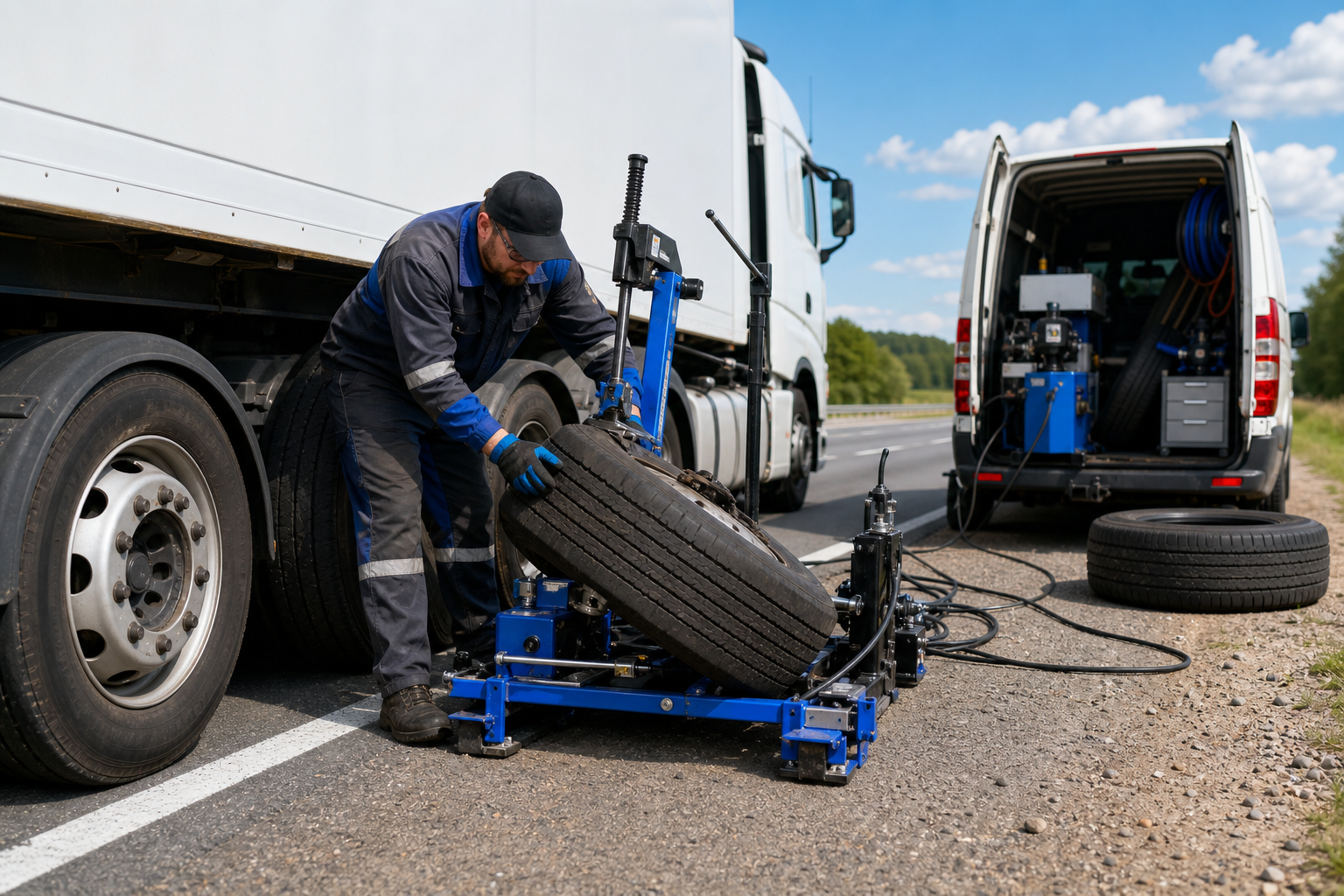
Finding a cheap, reliable retread can slash your fleet’s cost per mile . Below are the top providers you can count on for truck tire retread cost per tire, and who each works best for.
1. The Tire Specialist — Expert Retread Guidance and Mobile Service
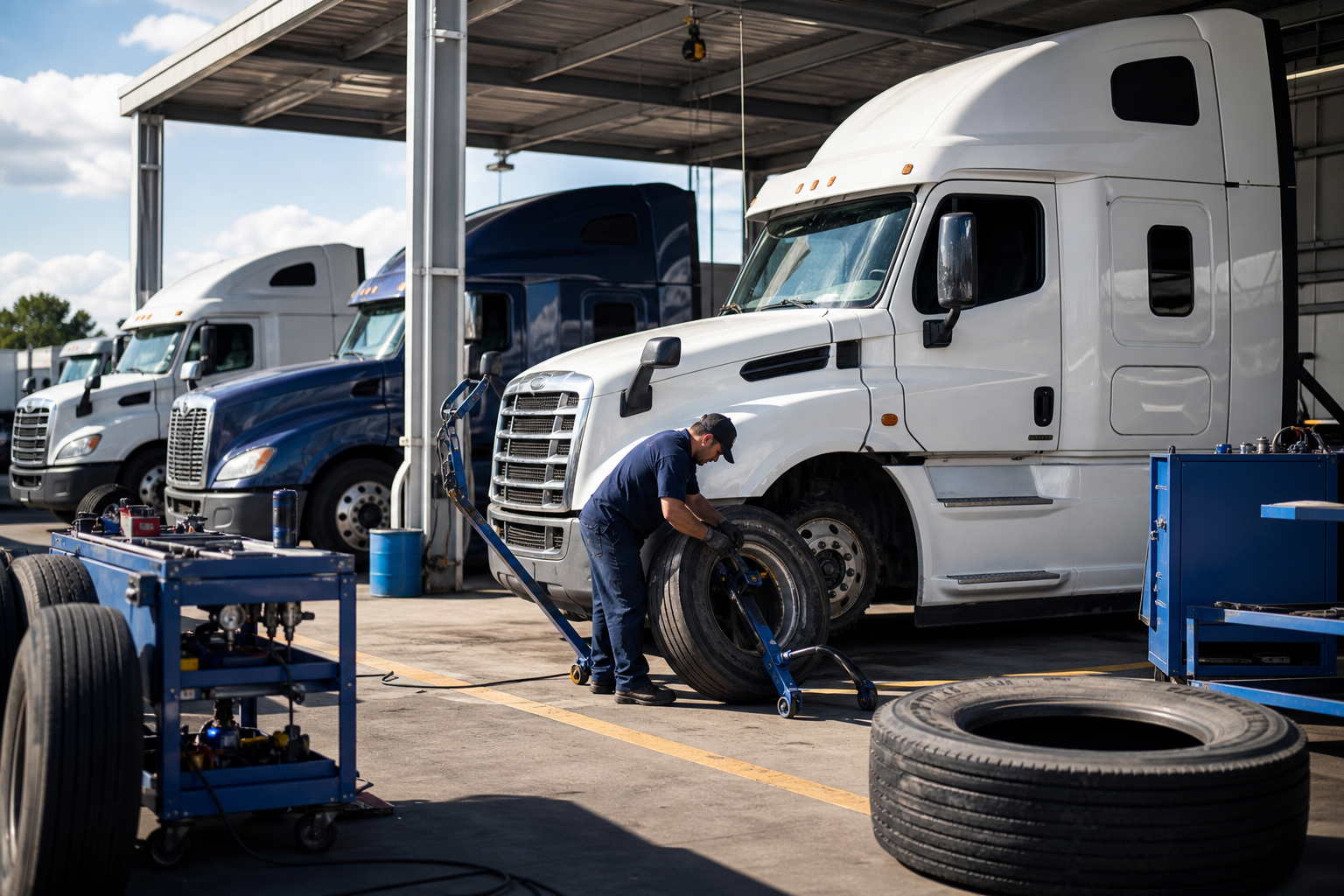
We’re a Dallas‑Fort Worth mobile tire crew that brings the shop to your yard. Our technicians are TIA‑certified and can inspect, retread, or replace a tire on‑site, so you avoid downtime.
Our retread program adds 80‑100k miles to a sound casing, which translates into a 30‑50% drop in truck tire retread cost per tire compared with buying new. fleets that pair our service with a regular casing‑health audit see fewer unexpected flats and lower overall spend.
Because we handle everything from inspection to final balancing, you get a single invoice and clear estimate before any work starts. That transparency helps you plan budgets and keep your fleet rolling.
Want the basics of retreading? Check out our retreading basics guide for a quick rundown.
We also offer a 24/7 emergency response, so a sudden flat won’t stall your delivery schedule.
Bottom line: When you need a fast, on‑site solution that keeps costs low, we’re the partner that delivers.
2. Bandag Retreads — Durable and Cost‑Effective
Bandag’s retreads are built on a solid casing‑reuse model. By stripping the old tread and bonding a new one, they keep most of the original tire’s structure, which is where most of the cost lives.
According to the manufacturer, a Bandag retread costs only 30‑50% of a comparable new tire, giving fleets a clear financial edge.[source]
Their SmartWay® verified FuelTech line offers some of the lowest rolling‑resistance tread on the market, helping drivers shave fuel costs over the tire’s life.
Bandag also backs its products with a lifetime limited warranty on the tread, and a 7‑year warranty on select premium casings.[source]
Key Takeaway:Bandag’s warranty and fuel‑saving tread make it a strong contender for fleets chasing both cost and efficiency.
One caveat: the warranty excludes certain intermodal retread designs, so check the fine print if you run mixed‑mode trucks.
3. Goodyear Retreads — Trusted Brand with Nationwide Network
Goodyear runs a national retread network that can serve fleets from coast to coast. Their process meets the same quality standards as new Goodyear drive tires.
Key features include UNICIRCLE® Premium Retreads, multiple retreads per casing, and a nationwide warranty that covers defects in workmanship and materials.
The Goodyear site notes that their retreads offer a lower cost‑per‑mile than new tires and avoid federal excise tax, which can further reduce total spend.[source]
Because they have a broad dealer base, you can often get same‑day service in major hubs, which helps keep trucks on the road.
Watch out for the occasional longer lead time in remote areas where dealer coverage is thin.
4. Michelin Retreads — Premium Quality for Maximum Mileage
Michelin’s retread program focuses on extending casing value while meeting the brand’s high safety standards.
Their process uses laser‑guided shearography to spot hidden belt damage, ensuring each retread meets the same performance envelope as a new Michelin tire.[source]
Fleet managers who prioritize fuel efficiency can benefit from Michelin’s FuelTech‑enhanced tread, which lowers rolling resistance and improves mileage.
Michelin also highlights the environmental upside: a retread saves roughly 68% of the energy needed to make a new tire and cuts oil use by about 15 gallons per tire. retreading basics guide
Pro Tip:Pair Michelin retreads with a regular casing inspection schedule to capture the full mileage potential.
Be aware that Michelin’s premium retreads carry a higher upfront price than some discount brands, though the total cost per mile often balances out.
5. Bridgestone Retreads — Reliable for Heavy‑Duty Fleets
Bridgestone offers a solid lineup of retreads aimed at long‑haul and regional trucks. Their retread program uses the same casing technology found in new Bridgestone commercial tires.
Heavy‑duty fleets appreciate the brand’s reputation for durability and the availability of a nationwide warranty that covers tread defects.
Because Bridgestone operates a large dealer network, you can often find a local shop that handles retreads, reducing transport time for the tire.
One limitation is that Bridgestone’s fuel‑saving retread options are not as widely advertised as Bandag’s, so you may need to ask your dealer about specific low‑rolling‑resistance products.
Bottom line: Bridgestone provides dependable retreads with strong dealer support, a solid choice for fleets that value brand consistency.
6. Local Retread Shops — Custom Solutions and Fast Turnaround
Independent shops can often tailor retread solutions to niche applications, such as off‑road or specialty tire sizes. Their smaller scale lets them respond quickly to urgent repairs.
Because they focus on a regional market, you may get a faster turnaround than waiting for a national dealer to ship a retreaded tire.
Many local shops also offer on‑site inspection services, helping you decide whether a casing is worth retreading or needs replacement.
However, quality can vary widely. Look for shops that follow industry‑standard inspection protocols and offer a warranty on their work.
7. Comparison: Retread Provider Features at a Glance
Provider | Cost Savings | Warranty | Mobile Service | Fuel Efficiency |
The Tire Specialist | 30‑50% vs new | On‑site guarantee | Yes (DFW) | Standard |
Bandag | 30‑50% | Lifetime tread, 7‑yr casing | No | SmartWay® FuelTech |
Goodyear | Lower vs new | Nationwide warranty | No | Standard |
Michelin | 30% lower per mile | Standard warranty | No | FuelTech‑enhanced |
Bridgestone | — | Nationwide tread warranty | No | — |
Local Shops | Varies | Shop‑specific | Often | — |
The table shows where each provider shines, helping you match a service to your fleet’s priorities.
How to Choose the Right Retread Provider for Your Fleet
Start by mapping your fleet’s most pressing needs: cost control, downtime tolerance, or fuel efficiency.
- Check warranty details. A longer tread warranty can protect you if a casing fails early.
- Assess service footprint. Mobile options cut travel time; a strong dealer network helps in remote routes.
- Verify fuel‑saving tread options if mileage cost is a big factor.
- Ask about inspection protocols. Proper casing inspection prevents premature failures.
Our own tire lifespan guide walks you through the steps to track casing health over time.
When you line up these factors, you’ll see which provider gives the best total cost of ownership for your specific routes.
Frequently Asked Questions
What is the typical cost reduction when using a retread instead of a new tire?
Retreads usually cost 30‑50% of a comparable new tire, delivering a sizable drop in truck tire retread cost per tire for most fleets.
How many times can a tire casing be retreaded?
Most high‑quality casings can handle two to three retread cycles before the structure needs replacement.
Do retreads perform as well as new tires?
When retreaded by a certified provider, the tire’s mileage and safety ratings can match or even exceed those of a new tire.
Is mobile retread service worth the extra cost?
Mobile service eliminates truck downtime, which can offset its higher per‑tire price and improve overall fleet efficiency.
Are there environmental benefits to retreading?
Retreading saves up to 68% of the energy used to make a new tire and reduces oil consumption by about 15 gallons per tire, cutting landfill waste.
Conclusion
For the best mix of cost savings, service flexibility, and reliability, we recommend starting with The Tire Specialist ’s mobile retread program. Reach out through our website to get a free assessment and see how much you can shave off your truck tire retread cost per tire.