Best Time of Year to Replace Truck Tires in Dallas
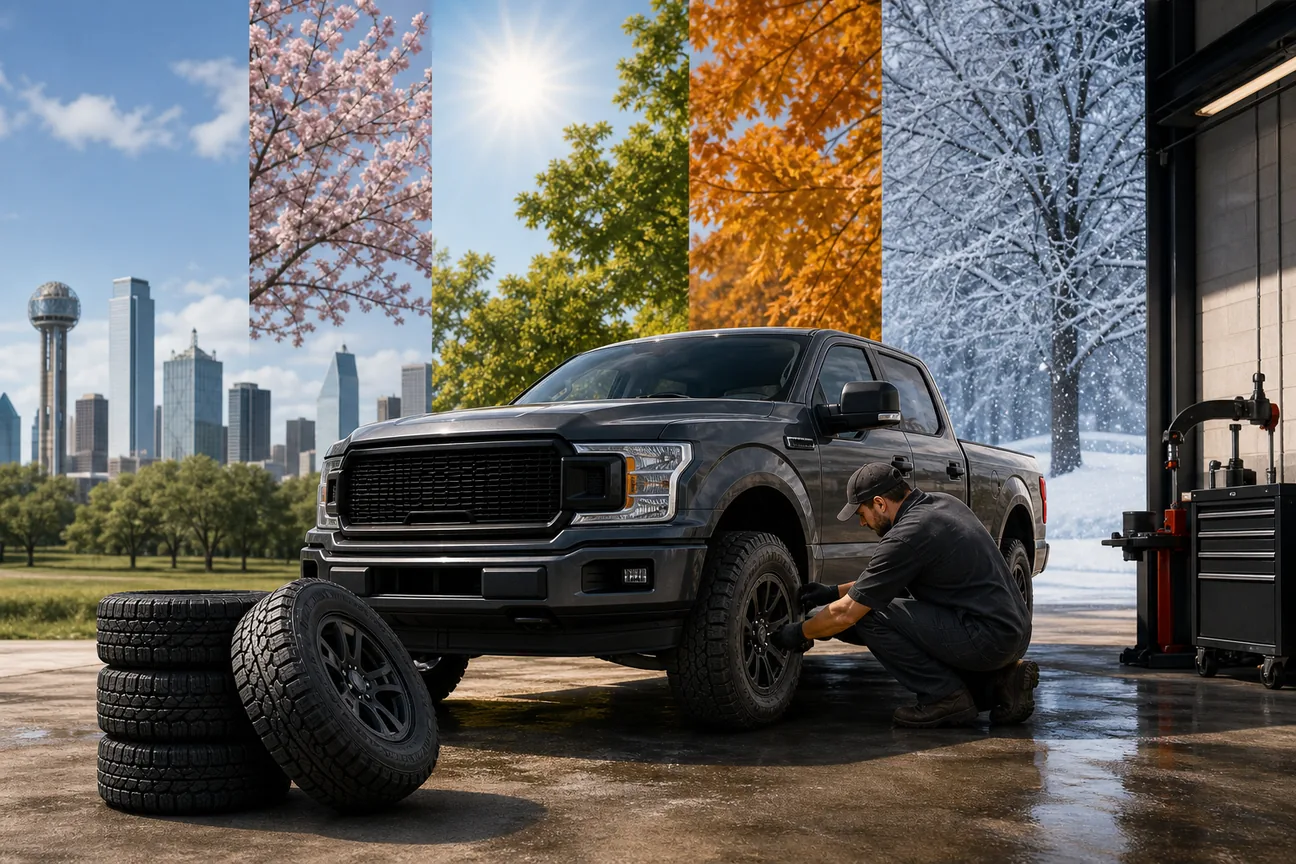
Truck fleets lose money when tires fail at the worst moment. We’ve crunched the Dallas climate data and paired it with on‑site service realities to give you a clear shortlist of when to schedule replacements.
Table of Contents
1. The Tire Specialist
The Tire Specialist is a Dallas‑Fort Worth mobile tire service that comes to your yard, unloads, fits, and tests new truck tires on the spot. It’s built for fleets that can’t afford a shop‑floor shutdown. The crew can handle anything from a flat repair to a full set swap, keeping your trucks moving on the same day.

Because we work directly in Dallas, we know the local traffic patterns and can plan a replacement window that avoids rush‑hour bottlenecks. That means less idle time for you. For additional information, see this resource.
Key Takeaway:Mobile service can help limit downtime compared with driving trucks to a shop.
We also keep detailed service logs that integrate with your existing fleet‑management software, so you always know the exact mileage and wear level of each tire. Regular fleet tire maintenance in Dallas can make those records more useful by helping your team spot wear before it becomes a roadside problem.
2. January — Cooler, drier conditions for planned replacement
January’s average high sits at 57 °F and the city sees few wet days, which means tire rubber stays firm and road grip stays consistent during installation. Those cool, dry conditions reduce the risk of heat‑related tire damage right after you mount new tread.
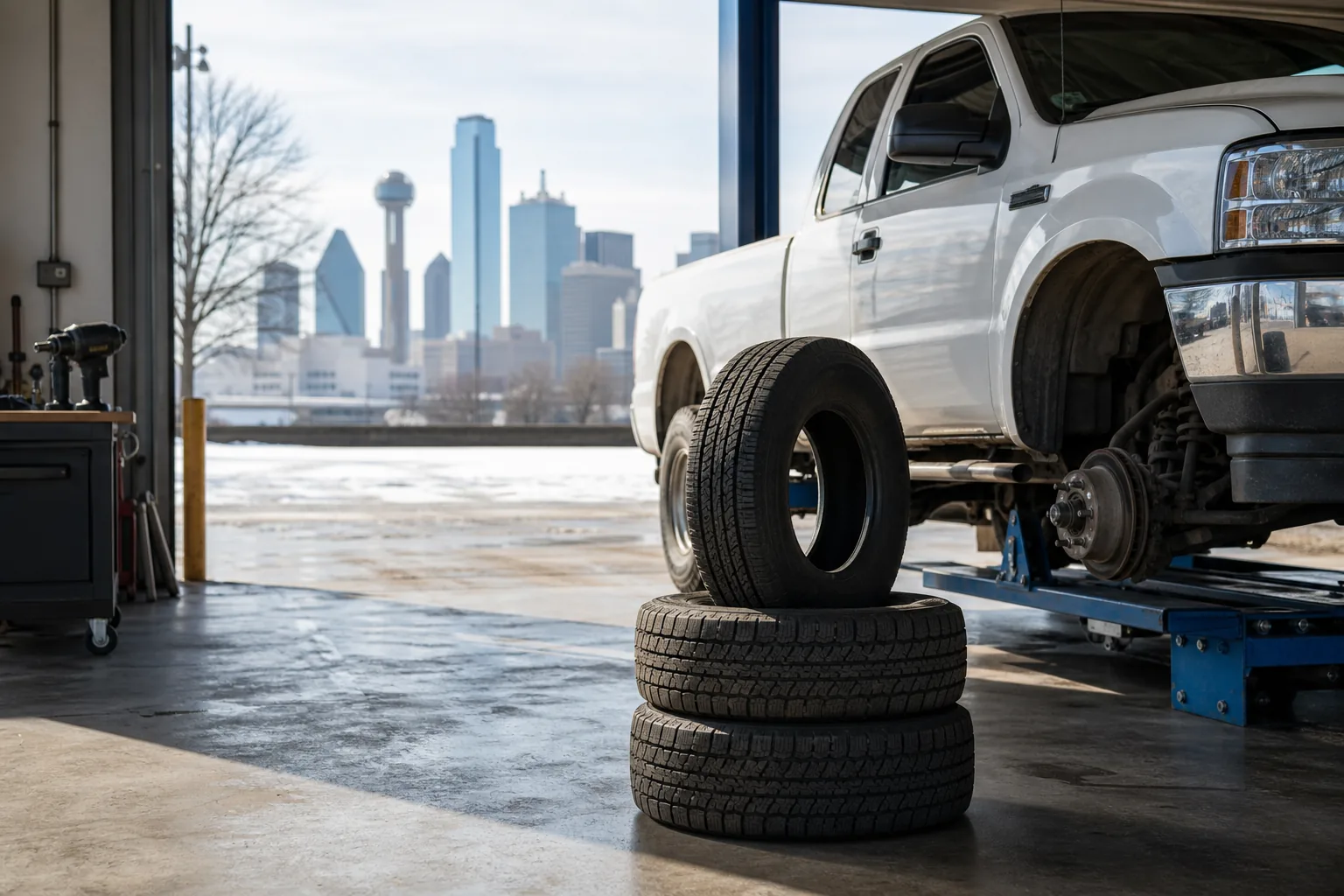
Fleet managers who schedule swaps in January often report smoother rides and fewer early‑wear complaints. The low precipitation also makes it easier to keep the work area clean, a small but real benefit when you’re handling heavy‑duty equipment.
Our team can arrive early in the month, giving you plenty of time to finish before the spring heat ramps up.
When the weather stays dry, you also avoid the need for extra cleanup after a rain‑soaked job, which can shave minutes off each service call.
3. July — A workable summer window when heat is managed
July brings the lowest precipitation of the year, about 1.7 in, so you won’t be battling soggy roads. However, average highs climb to the mid‑90s °F, so tire temperature can rise quickly once the new rubber meets the pavement.
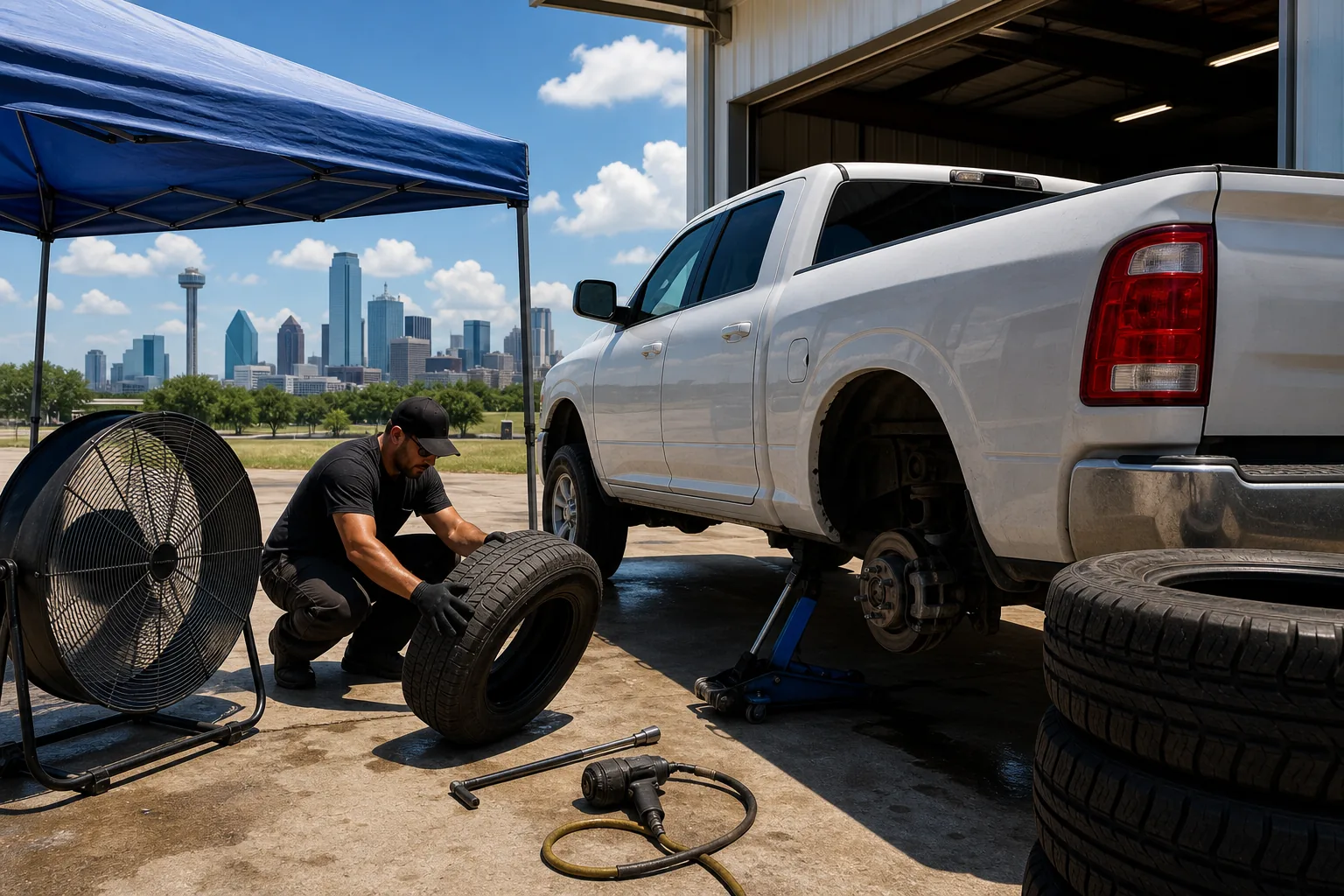
If you can schedule early‑morning or late‑evening swaps, the cooler parts of the day keep tire stress low. Scheduling during cooler parts of the day can help keep the tire surface from heating up before mounting.
Even with the heat, July’s dry spell means you won’t have to wait for the road to dry after a rain‑delay, keeping your schedule on track.
Pro Tip:Ask the service crew to check tire pressure after the first 50 miles; heat can cause a slight rise that’s easy to correct early.
Remember, the key is to avoid the peak‑noon sun when possible. A simple shift in timing can make July a viable window without the wear‑and‑tear worries of August.
4. May — A rainier month that may complicate scheduling
May sees an average of 4.2 in of rain, the highest of the four months we cover. Wet roads can make tire mounting slippery and increase the chance of debris getting stuck in the tread.
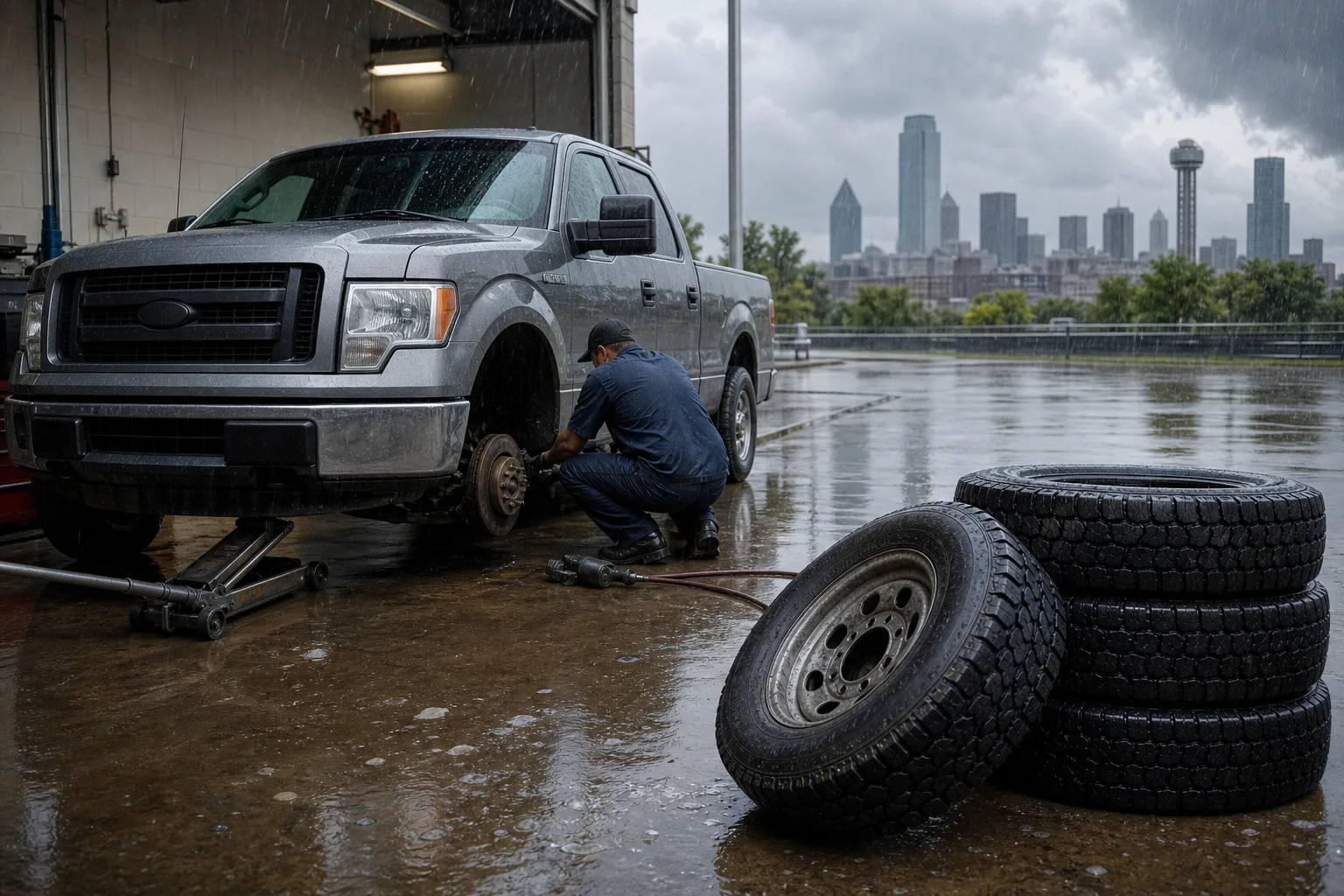
That extra moisture can force crews to pause work while the surface dries, extending the service window. For related information, see Tire Retreading: A Step-by-Step Guide .
For fleets that can’t afford delays, we suggest keeping a backup day in May or shifting the swap to early June when the rain tapers off. Plan tire storage to protect them from moisture until you’re ready.
5. August — Peak heat makes it a less favorable planned window
August tops the chart with average highs of 95 °F. Those temperatures push tire rubber into a soft state, which can cause uneven seating on the rim and increase the risk of a blow‑out shortly after installation.
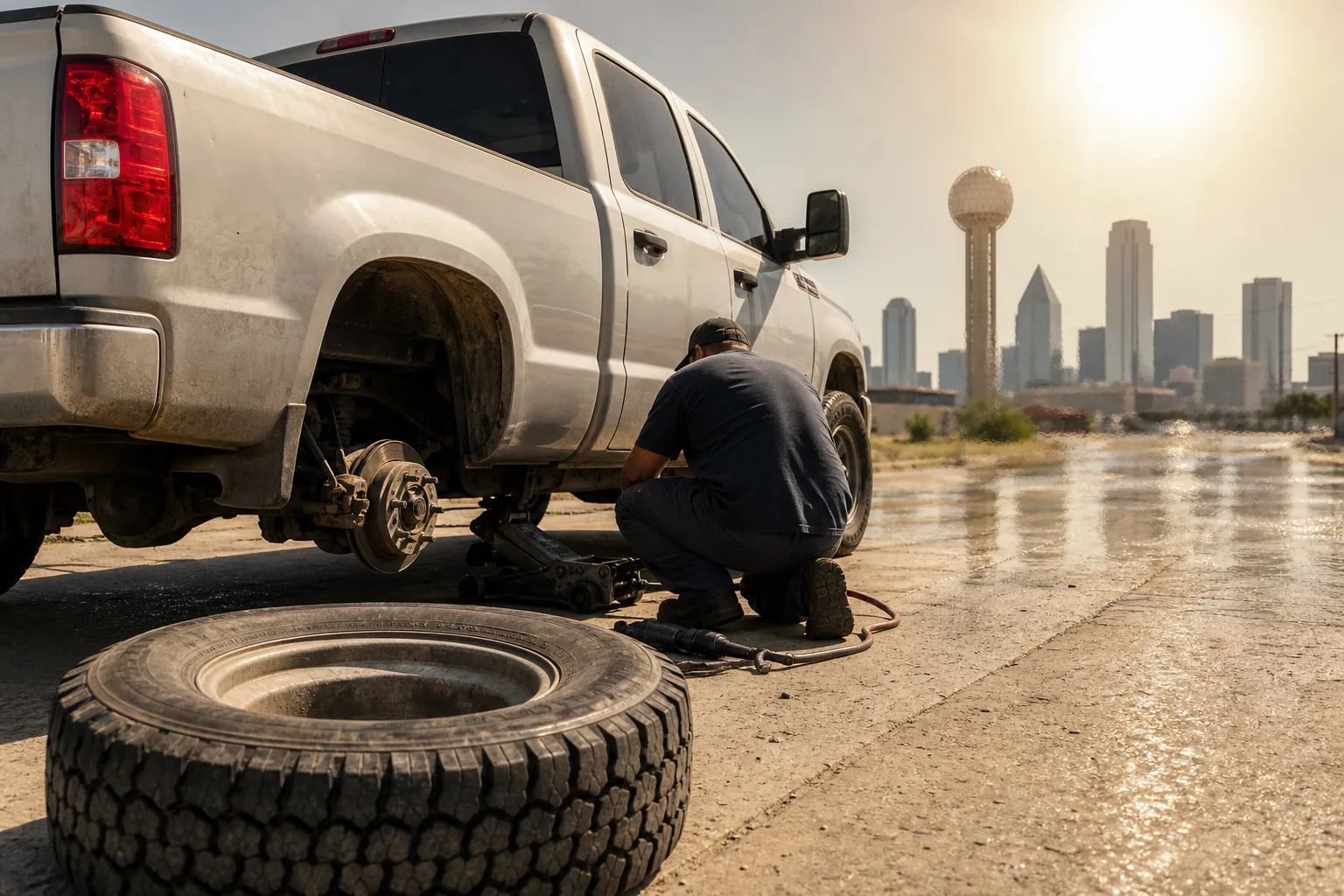
High heat also expands the air inside the tire, so a tire that seems properly inflated at the shop may become over‑inflated on the road. That adds stress to the sidewalls and can lead to premature wear.
Because of these factors, most Dallas fleets avoid scheduling new tire installs in August unless they have a critical need. Before an August swap, a pre‑check of tire pressure and tread depth can help; roadside assistance information is available if an urgent need arises.
When August is unavoidable, we use practical measures to help keep the tire surface cooler during the install.
How to Choose the Right Month for Your Fleet
Use this quick checklist to match your operational constraints with the climate data:
Do you need to avoid any downtime during peak delivery weeks? Choose January.
Can you work early mornings or evenings? July works if you dodge noon heat.
Is rain a deal‑breaker for your crew? Skip May or schedule a backup day.
Do you have a critical tire failure that can’t wait? August may be the only option, but peak summer heat makes it less optimal for replacements.
Aligning the swap with cooler, drier days can help reduce re‑work.
FAQ
What is the safest month to replace truck tires in Dallas?
January is the safest month because cool temperatures and low rain frequency reduce tire stress during installation. The climate data shows cool temperatures and few wet days, which helps make January favorable for replacement.
Can I replace tires in July without risking heat damage?
Yes, you can if you schedule the work for early morning or late evening when temperatures are lower. Dry conditions in July mean less road moisture, but typical summer heat may still stress tires, so July offers moderate conditions overall. You should monitor tire pressure after installation.
Why should I avoid May for tire swaps?
May brings the most rain of the four months we discuss. High rainfall increases road wetness, potentially delaying tire work, so May is less ideal for replacement.
What extra steps does The Tire Specialist take in August?
August's peak summer heat raises tire temperature, making it less optimal for replacements. We also perform a pressure check before and after the install to catch heat-related inflation changes.
How do I know if my fleet needs a tire replacement now?
Check tread depth, look for sidewall cracks, and monitor uneven wear. Our mobile service includes a quick on-site inspection and can advise you on the right timing. For a detailed checklist, review when to replace truck tires and learn how to check minimum truck tire tread depth . For more information, read about tire inspections .
Conclusion
Pick January for favorable replacement conditions, and use our mobile team to keep your trucks on the road. Proactive tire service supports timely maintenance. Contact The Tire Specialist today to plan your replacement window.


Comments